



programme
| 31 January 2022
Advancing International Legal, Policy and Financial Commitments to Sexual and Reproductive Health and Rights
The project aims to create a network of progressive Civil Society Organizations, women, youth-led organizations advocating for SRHR at the regional level and advance the re(commitment) of AU member states to the regional outcome documents/positions and policies. Budget: 160,000 USD Donor: RFSU Timeline: 2 Years ( 2020 – August 2022 ) Project implementation areas: All 55 AU member states, AUC, RECs Partners: AU, UNECA, Policy Makers and Diplomatic corps, GAAP partners Other interesting information: The project leverages on major regional processes including GIMAC, ACHPR, ARFSD and other major regional and international days to organize side events and influence outcome documents for a progressive commitment on SRHR Key achievements to date: Capacity building sessions for young people Side events on major processes and influence outcome documents Enhance partners knowledge and engagement on regional SRHR revolutions Increased IPPFAR visibility Policy briefs on Abortion, CSE, and non-discrimination Innovative approaches: Series of Webinars Leveraging on regional SRHR initiatives (EAC SRHR bill, EHW strategy) Challenge: sensitivity of the thematics for advocacy Lessons learned: Leverage on collaborations with Partners Building on IPPF’s position at the GAAP partnership
programme
| 31 January 2022
Advancing International Legal, Policy and Financial Commitments to Sexual and Reproductive Health and Rights
The project aims to create a network of progressive Civil Society Organizations, women, youth-led organizations advocating for SRHR at the regional level and advance the re(commitment) of AU member states to the regional outcome documents/positions and policies. Budget: 160,000 USD Donor: RFSU Timeline: 2 Years ( 2020 – August 2022 ) Project implementation areas: All 55 AU member states, AUC, RECs Partners: AU, UNECA, Policy Makers and Diplomatic corps, GAAP partners Other interesting information: The project leverages on major regional processes including GIMAC, ACHPR, ARFSD and other major regional and international days to organize side events and influence outcome documents for a progressive commitment on SRHR Key achievements to date: Capacity building sessions for young people Side events on major processes and influence outcome documents Enhance partners knowledge and engagement on regional SRHR revolutions Increased IPPFAR visibility Policy briefs on Abortion, CSE, and non-discrimination Innovative approaches: Series of Webinars Leveraging on regional SRHR initiatives (EAC SRHR bill, EHW strategy) Challenge: sensitivity of the thematics for advocacy Lessons learned: Leverage on collaborations with Partners Building on IPPF’s position at the GAAP partnership
programme
| 31 January 2022
Feminist Opportunities Now (FON)
The objective of the project is to build the capacity of women's movements, via sub-grants and organizational development support, especially for small organizations, often non-registered, to address and respond to gender-based violence. Budget: 14,000 000 EUR Donor: Agence Française de Développement (AFD) Timeline: 4 years (Start date – Q2 of 2022) Project implementation areas: Mexico and Columbia in Latin-America (led by MdM), Bangladesh and Sri Lanka in Asia (led by CREA) and Burkina Faso, Ethiopia, Guinea the Ivory Cost, Kenya and Mali (led by IPPFARO) Partners: IPPF ARO, Médecins du Monde (MdM), Creating Resources for Empowerment in Action (CREA), FIDH (International Federation on Human Rights) & Empow’Her. Other interesting information: It is the first time IPPF has received direct funding from AFD, the first time we are partnering with these new consortium partners and delivering on a large global project. The project is supporting CSOs in Bangladesh, Burkina Faso, Colombia, Cote d’Ivoire, Ethiopia, Guinea, Kenya, Mexico, Niger, Sri Lanka.
programme
| 31 January 2022
Feminist Opportunities Now (FON)
The objective of the project is to build the capacity of women's movements, via sub-grants and organizational development support, especially for small organizations, often non-registered, to address and respond to gender-based violence. Budget: 14,000 000 EUR Donor: Agence Française de Développement (AFD) Timeline: 4 years (Start date – Q2 of 2022) Project implementation areas: Mexico and Columbia in Latin-America (led by MdM), Bangladesh and Sri Lanka in Asia (led by CREA) and Burkina Faso, Ethiopia, Guinea the Ivory Cost, Kenya and Mali (led by IPPFARO) Partners: IPPF ARO, Médecins du Monde (MdM), Creating Resources for Empowerment in Action (CREA), FIDH (International Federation on Human Rights) & Empow’Her. Other interesting information: It is the first time IPPF has received direct funding from AFD, the first time we are partnering with these new consortium partners and delivering on a large global project. The project is supporting CSOs in Bangladesh, Burkina Faso, Colombia, Cote d’Ivoire, Ethiopia, Guinea, Kenya, Mexico, Niger, Sri Lanka.

programme
| 31 January 2022
Building evidence, addressing the needs of SGBV survivors in Conakry Guinea
The project aims to conduct research on sexual and GBV in Guinea to inform advocacy and communication campaign/ Respond to the needs of survivors through economic empowerment, psychological and clinical support. Budget: 100,000 USD Donor: Packard Foundation Timeline: 1 Year ( April 2021 - July 2022 ) Project implementation areas: Guinea Conakry Partners: Solidarite Suisse Guinee, Amnesty International Innovative approaches: Working with multisectoral partners to amplify our voice. Sexual violence is a major concern in Guinea
programme
| 31 January 2022
Building evidence, addressing the needs of SGBV survivors in Conakry Guinea
The project aims to conduct research on sexual and GBV in Guinea to inform advocacy and communication campaign/ Respond to the needs of survivors through economic empowerment, psychological and clinical support. Budget: 100,000 USD Donor: Packard Foundation Timeline: 1 Year ( April 2021 - July 2022 ) Project implementation areas: Guinea Conakry Partners: Solidarite Suisse Guinee, Amnesty International Innovative approaches: Working with multisectoral partners to amplify our voice. Sexual violence is a major concern in Guinea
programme
| 31 January 2022
Adressing the SRH needs of refugees and vulnerable populations in Uganda
The project aims to provide SRH services to refugees and the most vulnerable and marginalized population in Northern and Central Uganda. Budget: 10,000,000 DKK Donor: DANIDA Timeline: 2 Years ( April 2020-March 2022 ) Project implementation areas: Ouganda Partners: Uganda MOH, Uganda crisis coordination office Key achievements to date: 47,631 persons (73% females and 27% males) aged 10- 49 years of age served with integrated sexual reproductive health services 284,048 SRH services provided Enhanced capacity of 60 community resource persons and 77 health care providers in various SRH and SBCC packages. Innovative approaches: Working with persons with disabilities to ensure disability-inclusive programming Lessons learned: Cultural diversity, beliefs, and practices significantly undermine how refugees relate.
programme
| 31 January 2022
Adressing the SRH needs of refugees and vulnerable populations in Uganda
The project aims to provide SRH services to refugees and the most vulnerable and marginalized population in Northern and Central Uganda. Budget: 10,000,000 DKK Donor: DANIDA Timeline: 2 Years ( April 2020-March 2022 ) Project implementation areas: Ouganda Partners: Uganda MOH, Uganda crisis coordination office Key achievements to date: 47,631 persons (73% females and 27% males) aged 10- 49 years of age served with integrated sexual reproductive health services 284,048 SRH services provided Enhanced capacity of 60 community resource persons and 77 health care providers in various SRH and SBCC packages. Innovative approaches: Working with persons with disabilities to ensure disability-inclusive programming Lessons learned: Cultural diversity, beliefs, and practices significantly undermine how refugees relate.
programme
| 31 January 2022
Humanitarian Capacity Development Center
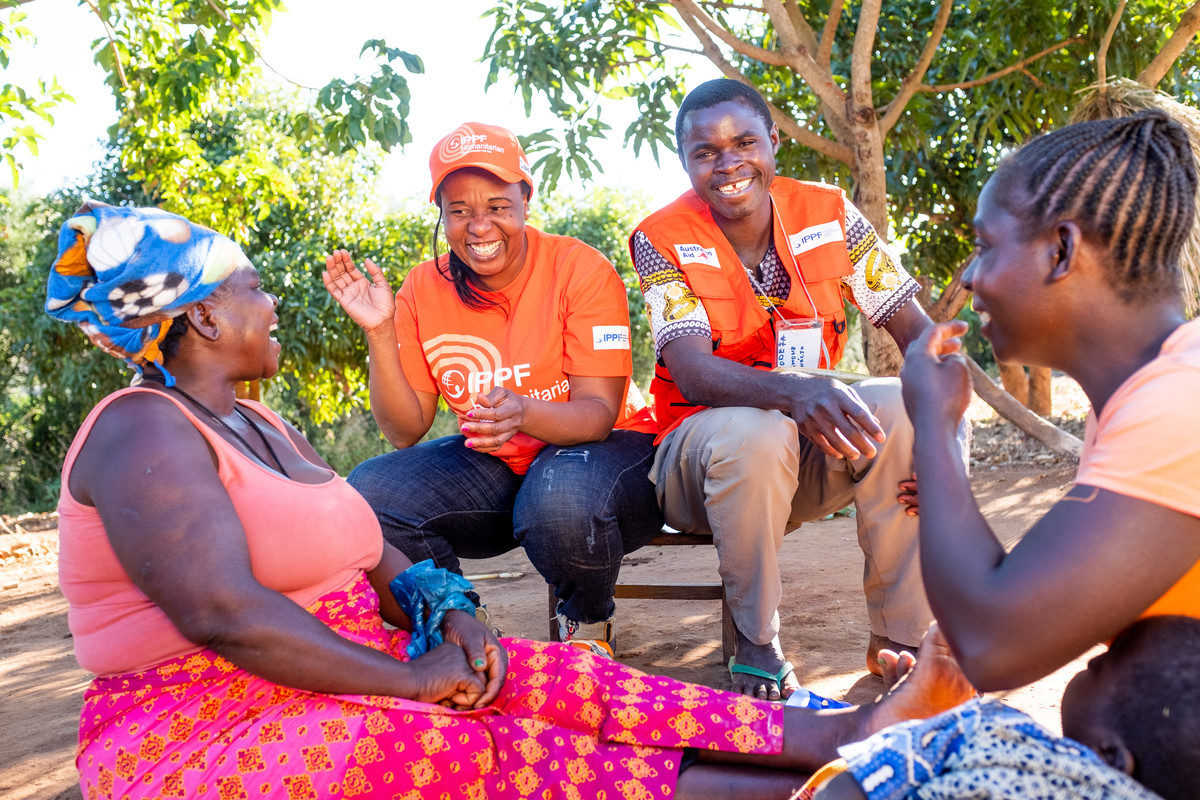
The project aims to strengthen the capacity of 6 MAs in and SARO to deliver high-quality SRH services in crises. Budget: 770,000 USD Donor: IPPF Solutions 2 Timeline: 2 Years ( March 2020–Dec 2022 ) Project implementation areas: Burkina Faso, Burundi, CAR, Maldives, Sudan, and Yemen Partners: UNFPA and national humanitarian actors Other interesting information: The project is designed to be led by MAs, as part of the Member Association-centric approach, with support from the regional offices and the Global Humanitarian Team. Innovative approaches: Operational research will be useful for measuring interventions’ impact and will highlight key challenges, suggest areas of improvement and good practices. Inclusion of LGBTQUIA and organisation's of persons with Disabilities in preparedness and planning. Lessons learned: Language barrier is a serious risk to project implementation if not properly addressed at design stage. Translation and interpretation costs should be significantly budgeted for when engaging English and French-speaking MAs as key project implementers.
programme
| 31 January 2022
Humanitarian Capacity Development Center
The project aims to strengthen the capacity of 6 MAs in and SARO to deliver high-quality SRH services in crises. Budget: 770,000 USD Donor: IPPF Solutions 2 Timeline: 2 Years ( March 2020–Dec 2022 ) Project implementation areas: Burkina Faso, Burundi, CAR, Maldives, Sudan, and Yemen Partners: UNFPA and national humanitarian actors Other interesting information: The project is designed to be led by MAs, as part of the Member Association-centric approach, with support from the regional offices and the Global Humanitarian Team. Innovative approaches: Operational research will be useful for measuring interventions’ impact and will highlight key challenges, suggest areas of improvement and good practices. Inclusion of LGBTQUIA and organisation's of persons with Disabilities in preparedness and planning. Lessons learned: Language barrier is a serious risk to project implementation if not properly addressed at design stage. Translation and interpretation costs should be significantly budgeted for when engaging English and French-speaking MAs as key project implementers.
programme
| 31 January 2022
Mes Droits, Ma Sante, Mon Avenir -3M
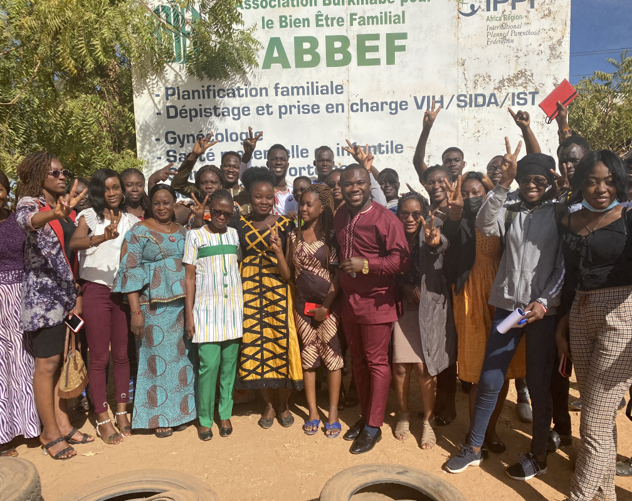
The project seeks to contribute to the reduction of gender inequalities through the empowerment of youth and the technical strengthening of local feminist CSOs towards the transformation of gender norms in favour of the sexual rights of adolescents and youth. Budget: 899,996 EUR Donor: Fonds de Solidarité pour les Projets Innovants (FSPi) Timeline: 2 Years (April 2021 – March 2023) Project implementation areas: Niger, Chad and Burkina Faso Partners: Association Nigérienne pour le Bien Êtr e Familial (ANBEF), Association Burkinabè pour le Bien Être Familial (ABBEF), Association Tchadienne pour le Bien Être Familial (ASTBEF) and Association Togolaise pour le Bien Être Familial (ATBEF) Key achievements to date: 3 Member Association (MA) supported through MA-to-MA support from ATBEF, More than 600 trainers of trainees trained in Gender and SRH, 100 Youth and feminist associations strengthened in local communities, The organisation of more than 200 community talks on SRHR and gender equality, supported by approaches and channels adapted to the beneficiaries, made it possible to reach 2,299 people, including 1,374 girls and 925 adolescent boys and young people, on unwanted pregnancies, family planning, STIs, HIV/AIDS and contraception. Innovative approaches: This project uses the MA-to-MA Approach, south-south collaboration & Peer to Peer support where ATBEF is supporting the 3 implementing MAs. Active collaboration with Youth and feminist associations at grassroot level. Lessons learned: Public and private collaboration is critical as well as the need to document best practices. The involvement of the central level (Ministries) in the implementation of the project positively influences the operational levels and strengthens their commitment to the project activities and makes them feel more accountable. Also, collaboration with the health, education and gender departments has enabled the project teams to benefit from technical support for access to pupils, teachers, and parents, to have an orientation on current policies in relation to the projects, and to be accompanied in the training.
programme
| 31 January 2022
Mes Droits, Ma Sante, Mon Avenir -3M
The project seeks to contribute to the reduction of gender inequalities through the empowerment of youth and the technical strengthening of local feminist CSOs towards the transformation of gender norms in favour of the sexual rights of adolescents and youth. Budget: 899,996 EUR Donor: Fonds de Solidarité pour les Projets Innovants (FSPi) Timeline: 2 Years (April 2021 – March 2023) Project implementation areas: Niger, Chad and Burkina Faso Partners: Association Nigérienne pour le Bien Êtr e Familial (ANBEF), Association Burkinabè pour le Bien Être Familial (ABBEF), Association Tchadienne pour le Bien Être Familial (ASTBEF) and Association Togolaise pour le Bien Être Familial (ATBEF) Key achievements to date: 3 Member Association (MA) supported through MA-to-MA support from ATBEF, More than 600 trainers of trainees trained in Gender and SRH, 100 Youth and feminist associations strengthened in local communities, The organisation of more than 200 community talks on SRHR and gender equality, supported by approaches and channels adapted to the beneficiaries, made it possible to reach 2,299 people, including 1,374 girls and 925 adolescent boys and young people, on unwanted pregnancies, family planning, STIs, HIV/AIDS and contraception. Innovative approaches: This project uses the MA-to-MA Approach, south-south collaboration & Peer to Peer support where ATBEF is supporting the 3 implementing MAs. Active collaboration with Youth and feminist associations at grassroot level. Lessons learned: Public and private collaboration is critical as well as the need to document best practices. The involvement of the central level (Ministries) in the implementation of the project positively influences the operational levels and strengthens their commitment to the project activities and makes them feel more accountable. Also, collaboration with the health, education and gender departments has enabled the project teams to benefit from technical support for access to pupils, teachers, and parents, to have an orientation on current policies in relation to the projects, and to be accompanied in the training.