



Spotlight
A selection of resources from across the Federation

Africa
Resource
IMAP Frequently Asked Questions: Using pre-exposure prophylaxis (PrEP) and gender affirming hormone therapy (GAHT) for transgender and gender-diverse clients
Whether you're considering PrEP yourself, supporting someone who is, or simply curious, here's what you need to know.
Most Popular This Week

Resource
|
IPPF Africa Affiliates
IPPF Africa Affiliates Across the continent, IPPF Africa’s Member Associations and Collaborative Partners are working every day to transform lives through essential sexual and reproductiv

Resource
|
IMAP Statement on Preventing Female Genital Mutilation
Introduction Female genital mutilation (FGM) involves partial or total removal of the external female genitalia or other injury for cultural or other non-medical reasons.
Africa

Resource
|
IPPF Africa Annual Report 2024
IPPF Africa Region Annual Report 2024 Advancing Rights, Expanding Access, Empowering Communities In 2024, IPPF Africa Region reaffirmed its lea
Mozambique, Uganda

Resource
|
Stand Up Factsheet 2025
Healthcare, Rights & Choice: The Stand Up Initiative in Action Imagine a world where every young woman and girl has the power to make informed choices about their sex


Resource
|
IPPFAR 2021 Achievements Video - English
In 2021, IPPF Africa Region Member Associations provided 109,796,584 sexual reproductive health and rights services, representing close to half of the total number of SRHR services

Resource
|
Live stage at the ICFP 2022 | Treasure Your Pleasure & The Pleasure Principles
Talking about pleasure, desire and good sex is the content that young people repeatedly call for.

Resource
|
2023 Annual Performance Report
Last year saw a relentless assault on human rights, leaving many feeling anxious and pessimistic about the prospects for people from all walks of life to come together.
Filter our resources by:

Resource
| 13 January 2022
Stories of change: Women’s Sexual and Reproductive Health Programme (WISH)
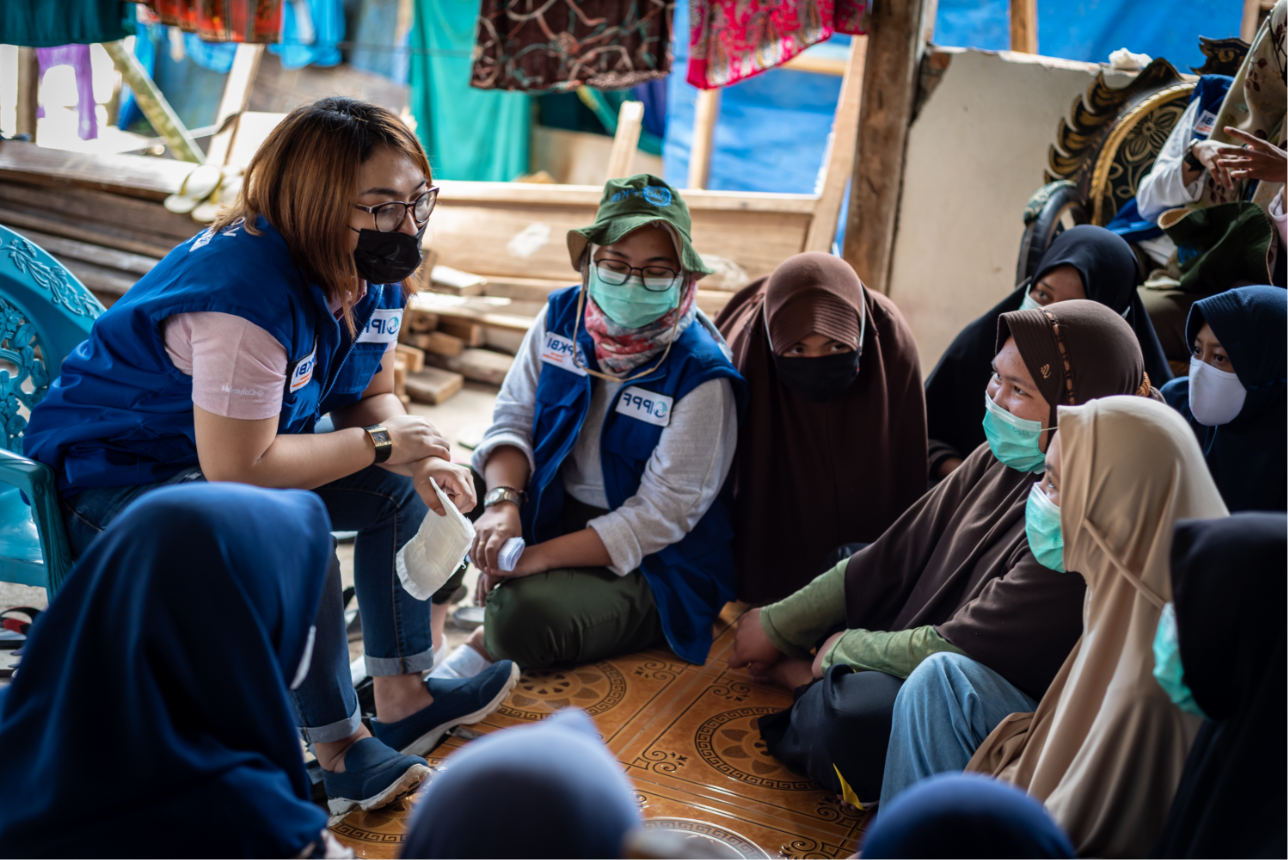
In 2018, the International Planned Parenthood Federation (IPPF) launched the UK Aid funded Women’s Integrated Sexual Health (WISH) programme to improve equitable access to contraceptives and sexual and reproductive health and rights (SRHR), prioritising the most underserved women and particularly adolescent girls, the most economically disadvantaged, and marginalised populations in 16 countries across Asia and Africa. Options’ role in the IPPF-led programme has been to work with governments and civil society partners in seven countries in Sub-Saharan Africa and South Asia to promote increased public investment in SRHR through evidence, advocacy and accountability. COVID-19 has tested the WISH’s adaptive programming model, which took steps to minimise interruptions to routine SRH services during the pandemic and helped built system resilience. These stories of change share lessons learned on how WISH’s focus on developing an enabling environment has contributed to better SRH and family planning outcomes in Bangladesh, Pakistan and Zambia, where the programme’s work has recently been completed, and focus on the themes of intersectionality, resilience and working in partnership. Dowload the document: Stories of change: Women’s Sexual and Reproductive Health Programme (WISH)
Resource
| 13 January 2022
Stories of change: Women’s Sexual and Reproductive Health Programme (WISH)
In 2018, the International Planned Parenthood Federation (IPPF) launched the UK Aid funded Women’s Integrated Sexual Health (WISH) programme to improve equitable access to contraceptives and sexual and reproductive health and rights (SRHR), prioritising the most underserved women and particularly adolescent girls, the most economically disadvantaged, and marginalised populations in 16 countries across Asia and Africa. Options’ role in the IPPF-led programme has been to work with governments and civil society partners in seven countries in Sub-Saharan Africa and South Asia to promote increased public investment in SRHR through evidence, advocacy and accountability. COVID-19 has tested the WISH’s adaptive programming model, which took steps to minimise interruptions to routine SRH services during the pandemic and helped built system resilience. These stories of change share lessons learned on how WISH’s focus on developing an enabling environment has contributed to better SRH and family planning outcomes in Bangladesh, Pakistan and Zambia, where the programme’s work has recently been completed, and focus on the themes of intersectionality, resilience and working in partnership. Dowload the document: Stories of change: Women’s Sexual and Reproductive Health Programme (WISH)

Resource
| 13 January 2022
Visite de la directrice Régionale de l'IPPF Afrique en Côte d'Ivoire
Les temps forts de la mission de haut niveau du bureau régional Afrique de la Fédération internationale pour la planification familiale (IPPF) en Côte d'Ivoire, du 2 au 10 novembre 2021, pour discuter du projet d'ouverture d'un bureau sous-régional pour l'Afrique occidentale et centrale à Abidjan.
Resource
| 13 January 2022
Visite de la directrice Régionale de l'IPPF Afrique en Côte d'Ivoire
Les temps forts de la mission de haut niveau du bureau régional Afrique de la Fédération internationale pour la planification familiale (IPPF) en Côte d'Ivoire, du 2 au 10 novembre 2021, pour discuter du projet d'ouverture d'un bureau sous-régional pour l'Afrique occidentale et centrale à Abidjan.

Resource
| 13 January 2022
IPPF Africa Region Director's visit to Côte d'Ivoire
Highlights of the high-level mission of the International Planned Parenthood Federation (IPPF) Africa Regional Office in Côte d'Ivoire, from 2 to 10 November 2021, to discuss the project of opening a sub-regional office for West and Central Africa in Abidjan.
Resource
| 13 January 2022
IPPF Africa Region Director's visit to Côte d'Ivoire
Highlights of the high-level mission of the International Planned Parenthood Federation (IPPF) Africa Regional Office in Côte d'Ivoire, from 2 to 10 November 2021, to discuss the project of opening a sub-regional office for West and Central Africa in Abidjan.

Resource
| 13 January 2022
Female Genital Mutilation/Cutting: Times Are Changing
Female genital cutting or mutilation, also known as FGC or FGM, involves partial or total removal of the external female genitalia, or other injury to the female genital organs for non-medical reasons. It is typically performed on girls under 15 years of age although this varies across communities and can sometimes be carried out during the first weeks of life or occasionally in adulthood. Female genital cutting is a serious reproductive health concern and a human rights violation. It has devastating short- and long-term consequences on the lives of women and girls and their communities. Female genital cutting can lead to hemorrhaging, infections, damage to adjoining organs, infertility, complications during pregnancy and childbirth, psychological trauma, and even death. Worldwide, between 100 million and 140 million women have been cut, and 3 million more are at risk each year. Women are subjected to female genital cutting in 28 countries in Africa – this includes Eritrea, Ethiopia, Kenya, Tanzania and Uganda in East and Southern Africa. Female genital cutting is a practice that is deeply-rooted in tradition in communities where it is practiced and passed on through generations. It is frequently based on the belief that the practice helps control a girl’s sexuality and ensures her virginity until marriage or helps prepare her for marriage. Female genital cutting is becoming less common, with more than 24,000 communities around the world declaring abandonment of the practice. Locally-led efforts that help recognize the harm of female genital cutting through community discussions are making a difference as more and more families decide not to cut their daughters.
Resource
| 13 January 2022
Female Genital Mutilation/Cutting: Times Are Changing
Female genital cutting or mutilation, also known as FGC or FGM, involves partial or total removal of the external female genitalia, or other injury to the female genital organs for non-medical reasons. It is typically performed on girls under 15 years of age although this varies across communities and can sometimes be carried out during the first weeks of life or occasionally in adulthood. Female genital cutting is a serious reproductive health concern and a human rights violation. It has devastating short- and long-term consequences on the lives of women and girls and their communities. Female genital cutting can lead to hemorrhaging, infections, damage to adjoining organs, infertility, complications during pregnancy and childbirth, psychological trauma, and even death. Worldwide, between 100 million and 140 million women have been cut, and 3 million more are at risk each year. Women are subjected to female genital cutting in 28 countries in Africa – this includes Eritrea, Ethiopia, Kenya, Tanzania and Uganda in East and Southern Africa. Female genital cutting is a practice that is deeply-rooted in tradition in communities where it is practiced and passed on through generations. It is frequently based on the belief that the practice helps control a girl’s sexuality and ensures her virginity until marriage or helps prepare her for marriage. Female genital cutting is becoming less common, with more than 24,000 communities around the world declaring abandonment of the practice. Locally-led efforts that help recognize the harm of female genital cutting through community discussions are making a difference as more and more families decide not to cut their daughters.

Resource
| 13 January 2022
Creative session between Dr Aproko and the Youth Action Movement of Nigeria on SRHR
In order to increase African youth awareness on specific issues related to sexual and reproductive health and rights, IPPFAR engaged the services of Influencer Aproko Dr. for a 1-month digital campaign including the production and dissemination of various video content. This video highlights the creative session between Dr Aproko and the Youth Action Movement of Nigeria on sexual reproductive health and education. The International Planned Parenthood Federation Africa Region (IPPFAR) is the leading sexual and reproductive health (SRH) service delivery organization in Africa, and the leading sexual and reproductive health and rights advocacy voice in the region. Headquartered in Nairobi, Kenya, the overarching goal of IPPFAR is to increase access to SRHR services to the most vulnerable youth, men and women in sub-Saharan Africa.
Resource
| 13 January 2022
Creative session between Dr Aproko and the Youth Action Movement of Nigeria on SRHR
In order to increase African youth awareness on specific issues related to sexual and reproductive health and rights, IPPFAR engaged the services of Influencer Aproko Dr. for a 1-month digital campaign including the production and dissemination of various video content. This video highlights the creative session between Dr Aproko and the Youth Action Movement of Nigeria on sexual reproductive health and education. The International Planned Parenthood Federation Africa Region (IPPFAR) is the leading sexual and reproductive health (SRH) service delivery organization in Africa, and the leading sexual and reproductive health and rights advocacy voice in the region. Headquartered in Nairobi, Kenya, the overarching goal of IPPFAR is to increase access to SRHR services to the most vulnerable youth, men and women in sub-Saharan Africa.

Resource
| 13 January 2022
Position paper and Policy Brief on Universal Health Coverage (UHC) and Sexual and Reproductive Health and Rights (SRHR)
As we mark the 2021 International Girl Child Day, the IPPF Africa Regional Sub-Office to the African Union and the United Nations Economic Commission for Africa (IPPF AUSO), in collaboration with the Gender is my Agenda Campaign (GIMAC) network launches a Policy Review : Sexual and Reproductive Health and Rights (SHR) as an Essential Component to Achieve Universal Health Coverage (UHC). The objective of the Policy review is to unpack the concept of UHC and how it relates to and why there is need to integrate sexual and reproductive health and rights (SRHR) in it. This introspection looks at why countries should invest in UHC, building on the healthy livelihoods of all people as clearly outlined in the 2030 Agenda for Sustainable Development as well as the African Union Agenda 2063. IPPF also takes this opportunity to also launch a Position paper on Universal Health Coverage (UHC) and Sexual and Reproductive Health and Rights (SRHR) developed by IPPF. This document articulates IPPF’s priorities in relation to Universal Health Coverage (UHC) and sexual and reproductive health and rights (SRHR) and aims to provide guidance for IPPF Member Associations (MAs) and the Federation at large. They were produced through a consultation process involving representatives from Member Associations (MAs) and IPPF’s Secretariat through workshop discussions, key informant interviews, and document reviews.
Resource
| 13 January 2022
Position paper and Policy Brief on Universal Health Coverage (UHC) and Sexual and Reproductive Health and Rights (SRHR)
As we mark the 2021 International Girl Child Day, the IPPF Africa Regional Sub-Office to the African Union and the United Nations Economic Commission for Africa (IPPF AUSO), in collaboration with the Gender is my Agenda Campaign (GIMAC) network launches a Policy Review : Sexual and Reproductive Health and Rights (SHR) as an Essential Component to Achieve Universal Health Coverage (UHC). The objective of the Policy review is to unpack the concept of UHC and how it relates to and why there is need to integrate sexual and reproductive health and rights (SRHR) in it. This introspection looks at why countries should invest in UHC, building on the healthy livelihoods of all people as clearly outlined in the 2030 Agenda for Sustainable Development as well as the African Union Agenda 2063. IPPF also takes this opportunity to also launch a Position paper on Universal Health Coverage (UHC) and Sexual and Reproductive Health and Rights (SRHR) developed by IPPF. This document articulates IPPF’s priorities in relation to Universal Health Coverage (UHC) and sexual and reproductive health and rights (SRHR) and aims to provide guidance for IPPF Member Associations (MAs) and the Federation at large. They were produced through a consultation process involving representatives from Member Associations (MAs) and IPPF’s Secretariat through workshop discussions, key informant interviews, and document reviews.
Resource
| 13 January 2022
Stories of change: Women’s Sexual and Reproductive Health Programme (WISH)
In 2018, the International Planned Parenthood Federation (IPPF) launched the UK Aid funded Women’s Integrated Sexual Health (WISH) programme to improve equitable access to contraceptives and sexual and reproductive health and rights (SRHR), prioritising the most underserved women and particularly adolescent girls, the most economically disadvantaged, and marginalised populations in 16 countries across Asia and Africa. Options’ role in the IPPF-led programme has been to work with governments and civil society partners in seven countries in Sub-Saharan Africa and South Asia to promote increased public investment in SRHR through evidence, advocacy and accountability. COVID-19 has tested the WISH’s adaptive programming model, which took steps to minimise interruptions to routine SRH services during the pandemic and helped built system resilience. These stories of change share lessons learned on how WISH’s focus on developing an enabling environment has contributed to better SRH and family planning outcomes in Bangladesh, Pakistan and Zambia, where the programme’s work has recently been completed, and focus on the themes of intersectionality, resilience and working in partnership. Dowload the document: Stories of change: Women’s Sexual and Reproductive Health Programme (WISH)
Resource
| 13 January 2022
Stories of change: Women’s Sexual and Reproductive Health Programme (WISH)
In 2018, the International Planned Parenthood Federation (IPPF) launched the UK Aid funded Women’s Integrated Sexual Health (WISH) programme to improve equitable access to contraceptives and sexual and reproductive health and rights (SRHR), prioritising the most underserved women and particularly adolescent girls, the most economically disadvantaged, and marginalised populations in 16 countries across Asia and Africa. Options’ role in the IPPF-led programme has been to work with governments and civil society partners in seven countries in Sub-Saharan Africa and South Asia to promote increased public investment in SRHR through evidence, advocacy and accountability. COVID-19 has tested the WISH’s adaptive programming model, which took steps to minimise interruptions to routine SRH services during the pandemic and helped built system resilience. These stories of change share lessons learned on how WISH’s focus on developing an enabling environment has contributed to better SRH and family planning outcomes in Bangladesh, Pakistan and Zambia, where the programme’s work has recently been completed, and focus on the themes of intersectionality, resilience and working in partnership. Dowload the document: Stories of change: Women’s Sexual and Reproductive Health Programme (WISH)
Resource
| 13 January 2022
Visite de la directrice Régionale de l'IPPF Afrique en Côte d'Ivoire
Les temps forts de la mission de haut niveau du bureau régional Afrique de la Fédération internationale pour la planification familiale (IPPF) en Côte d'Ivoire, du 2 au 10 novembre 2021, pour discuter du projet d'ouverture d'un bureau sous-régional pour l'Afrique occidentale et centrale à Abidjan.
Resource
| 13 January 2022
Visite de la directrice Régionale de l'IPPF Afrique en Côte d'Ivoire
Les temps forts de la mission de haut niveau du bureau régional Afrique de la Fédération internationale pour la planification familiale (IPPF) en Côte d'Ivoire, du 2 au 10 novembre 2021, pour discuter du projet d'ouverture d'un bureau sous-régional pour l'Afrique occidentale et centrale à Abidjan.
Resource
| 13 January 2022
IPPF Africa Region Director's visit to Côte d'Ivoire
Highlights of the high-level mission of the International Planned Parenthood Federation (IPPF) Africa Regional Office in Côte d'Ivoire, from 2 to 10 November 2021, to discuss the project of opening a sub-regional office for West and Central Africa in Abidjan.
Resource
| 13 January 2022
IPPF Africa Region Director's visit to Côte d'Ivoire
Highlights of the high-level mission of the International Planned Parenthood Federation (IPPF) Africa Regional Office in Côte d'Ivoire, from 2 to 10 November 2021, to discuss the project of opening a sub-regional office for West and Central Africa in Abidjan.
Resource
| 13 January 2022
Female Genital Mutilation/Cutting: Times Are Changing
Female genital cutting or mutilation, also known as FGC or FGM, involves partial or total removal of the external female genitalia, or other injury to the female genital organs for non-medical reasons. It is typically performed on girls under 15 years of age although this varies across communities and can sometimes be carried out during the first weeks of life or occasionally in adulthood. Female genital cutting is a serious reproductive health concern and a human rights violation. It has devastating short- and long-term consequences on the lives of women and girls and their communities. Female genital cutting can lead to hemorrhaging, infections, damage to adjoining organs, infertility, complications during pregnancy and childbirth, psychological trauma, and even death. Worldwide, between 100 million and 140 million women have been cut, and 3 million more are at risk each year. Women are subjected to female genital cutting in 28 countries in Africa – this includes Eritrea, Ethiopia, Kenya, Tanzania and Uganda in East and Southern Africa. Female genital cutting is a practice that is deeply-rooted in tradition in communities where it is practiced and passed on through generations. It is frequently based on the belief that the practice helps control a girl’s sexuality and ensures her virginity until marriage or helps prepare her for marriage. Female genital cutting is becoming less common, with more than 24,000 communities around the world declaring abandonment of the practice. Locally-led efforts that help recognize the harm of female genital cutting through community discussions are making a difference as more and more families decide not to cut their daughters.
Resource
| 13 January 2022
Female Genital Mutilation/Cutting: Times Are Changing
Female genital cutting or mutilation, also known as FGC or FGM, involves partial or total removal of the external female genitalia, or other injury to the female genital organs for non-medical reasons. It is typically performed on girls under 15 years of age although this varies across communities and can sometimes be carried out during the first weeks of life or occasionally in adulthood. Female genital cutting is a serious reproductive health concern and a human rights violation. It has devastating short- and long-term consequences on the lives of women and girls and their communities. Female genital cutting can lead to hemorrhaging, infections, damage to adjoining organs, infertility, complications during pregnancy and childbirth, psychological trauma, and even death. Worldwide, between 100 million and 140 million women have been cut, and 3 million more are at risk each year. Women are subjected to female genital cutting in 28 countries in Africa – this includes Eritrea, Ethiopia, Kenya, Tanzania and Uganda in East and Southern Africa. Female genital cutting is a practice that is deeply-rooted in tradition in communities where it is practiced and passed on through generations. It is frequently based on the belief that the practice helps control a girl’s sexuality and ensures her virginity until marriage or helps prepare her for marriage. Female genital cutting is becoming less common, with more than 24,000 communities around the world declaring abandonment of the practice. Locally-led efforts that help recognize the harm of female genital cutting through community discussions are making a difference as more and more families decide not to cut their daughters.
Resource
| 13 January 2022
Creative session between Dr Aproko and the Youth Action Movement of Nigeria on SRHR
In order to increase African youth awareness on specific issues related to sexual and reproductive health and rights, IPPFAR engaged the services of Influencer Aproko Dr. for a 1-month digital campaign including the production and dissemination of various video content. This video highlights the creative session between Dr Aproko and the Youth Action Movement of Nigeria on sexual reproductive health and education. The International Planned Parenthood Federation Africa Region (IPPFAR) is the leading sexual and reproductive health (SRH) service delivery organization in Africa, and the leading sexual and reproductive health and rights advocacy voice in the region. Headquartered in Nairobi, Kenya, the overarching goal of IPPFAR is to increase access to SRHR services to the most vulnerable youth, men and women in sub-Saharan Africa.
Resource
| 13 January 2022
Creative session between Dr Aproko and the Youth Action Movement of Nigeria on SRHR
In order to increase African youth awareness on specific issues related to sexual and reproductive health and rights, IPPFAR engaged the services of Influencer Aproko Dr. for a 1-month digital campaign including the production and dissemination of various video content. This video highlights the creative session between Dr Aproko and the Youth Action Movement of Nigeria on sexual reproductive health and education. The International Planned Parenthood Federation Africa Region (IPPFAR) is the leading sexual and reproductive health (SRH) service delivery organization in Africa, and the leading sexual and reproductive health and rights advocacy voice in the region. Headquartered in Nairobi, Kenya, the overarching goal of IPPFAR is to increase access to SRHR services to the most vulnerable youth, men and women in sub-Saharan Africa.
Resource
| 13 January 2022
Position paper and Policy Brief on Universal Health Coverage (UHC) and Sexual and Reproductive Health and Rights (SRHR)
As we mark the 2021 International Girl Child Day, the IPPF Africa Regional Sub-Office to the African Union and the United Nations Economic Commission for Africa (IPPF AUSO), in collaboration with the Gender is my Agenda Campaign (GIMAC) network launches a Policy Review : Sexual and Reproductive Health and Rights (SHR) as an Essential Component to Achieve Universal Health Coverage (UHC). The objective of the Policy review is to unpack the concept of UHC and how it relates to and why there is need to integrate sexual and reproductive health and rights (SRHR) in it. This introspection looks at why countries should invest in UHC, building on the healthy livelihoods of all people as clearly outlined in the 2030 Agenda for Sustainable Development as well as the African Union Agenda 2063. IPPF also takes this opportunity to also launch a Position paper on Universal Health Coverage (UHC) and Sexual and Reproductive Health and Rights (SRHR) developed by IPPF. This document articulates IPPF’s priorities in relation to Universal Health Coverage (UHC) and sexual and reproductive health and rights (SRHR) and aims to provide guidance for IPPF Member Associations (MAs) and the Federation at large. They were produced through a consultation process involving representatives from Member Associations (MAs) and IPPF’s Secretariat through workshop discussions, key informant interviews, and document reviews.
Resource
| 13 January 2022
Position paper and Policy Brief on Universal Health Coverage (UHC) and Sexual and Reproductive Health and Rights (SRHR)
As we mark the 2021 International Girl Child Day, the IPPF Africa Regional Sub-Office to the African Union and the United Nations Economic Commission for Africa (IPPF AUSO), in collaboration with the Gender is my Agenda Campaign (GIMAC) network launches a Policy Review : Sexual and Reproductive Health and Rights (SHR) as an Essential Component to Achieve Universal Health Coverage (UHC). The objective of the Policy review is to unpack the concept of UHC and how it relates to and why there is need to integrate sexual and reproductive health and rights (SRHR) in it. This introspection looks at why countries should invest in UHC, building on the healthy livelihoods of all people as clearly outlined in the 2030 Agenda for Sustainable Development as well as the African Union Agenda 2063. IPPF also takes this opportunity to also launch a Position paper on Universal Health Coverage (UHC) and Sexual and Reproductive Health and Rights (SRHR) developed by IPPF. This document articulates IPPF’s priorities in relation to Universal Health Coverage (UHC) and sexual and reproductive health and rights (SRHR) and aims to provide guidance for IPPF Member Associations (MAs) and the Federation at large. They were produced through a consultation process involving representatives from Member Associations (MAs) and IPPF’s Secretariat through workshop discussions, key informant interviews, and document reviews.
