



Articles about Africa
26 November 2025
Men who step up for family planning: One Ethiopian man’s journey to vasectomy
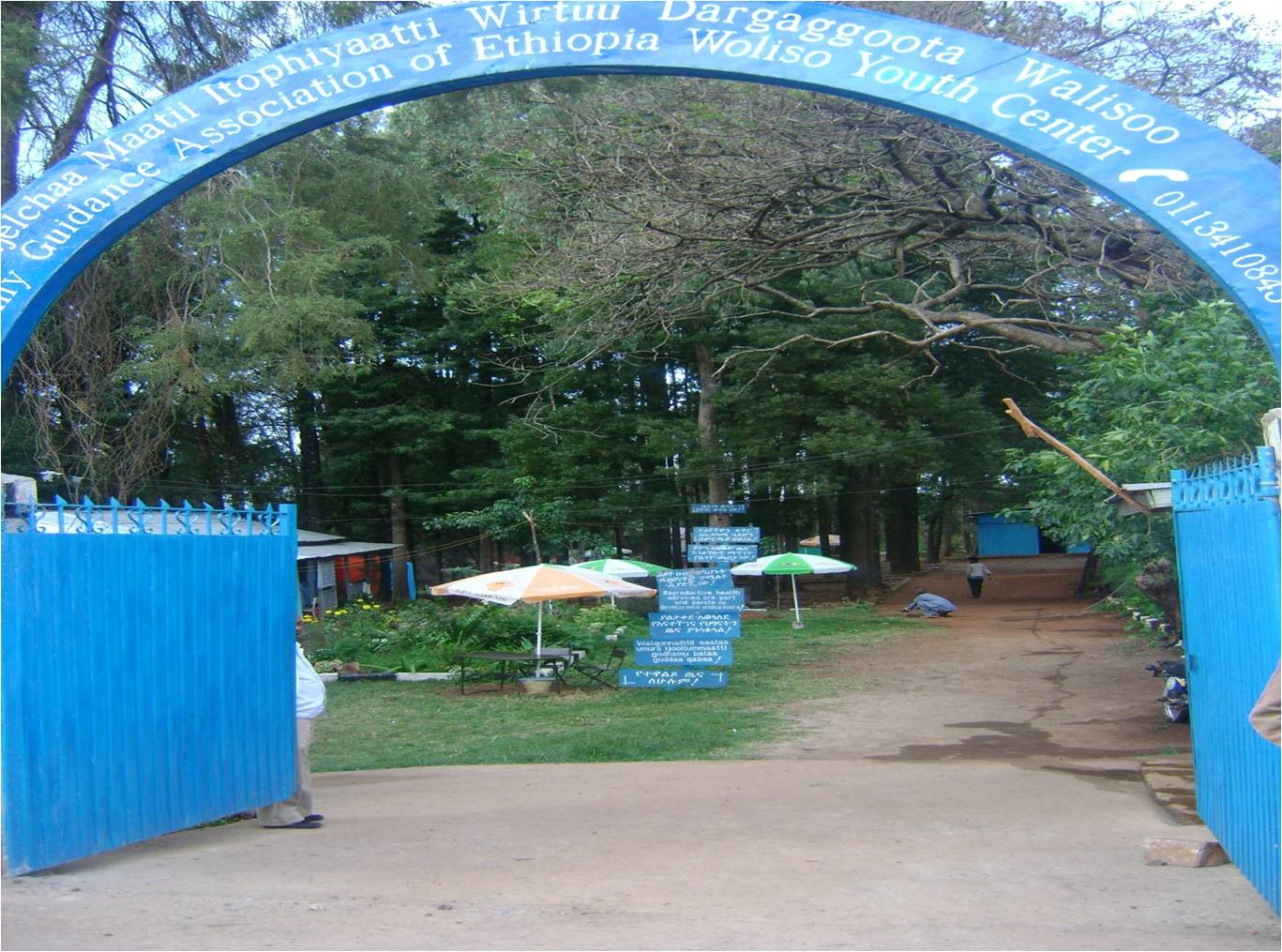
In Ethiopia, just like in many other countries in sub-Saharan Africa, family planning has long been viewed as a woman’s responsibility, where she is expected to shoulder the burden of preventing unplanned pregnancies. However, a gradual shift is emerging where men are now engaging in conversations around family planning and even taking up personal measures to prevent unplanned pregnancies by choosing vasectomy. IPPF’s Member Association in the country – Family Guidance Association of Ethiopia (FGAE) is championing male involvement in family planning, and with notable results as highlighted in this article by Yvonne Tatah. In the small town of Waliso, located in Ethiopia’s Oromia Region, 57-year-old Kareb walked into the FGAE Waliso Medium SRH clinic alongside his wife, Assefash, 45. The clinic is operated by FGAE, which is one of the leading organizations providing rights-based sexual and reproductive health services in the country. The couple had been married for more than two decades and were raising eight children -already more than they had planned for. Assefash had recently made a decision to end a pregnancy and was determined to take measures that would ensure she did not get pregnant again, hence the visit to the clinic. She already knew she wanted the implant as her contraceptive method, but she had heard worrying misinformation from women in her village. Some had told her that the implant could move inside the body and cause harm, a rumour that frightened her. Concerned, she sought expert guidance on contraceptives and chose the FGAE Waliso clinic, whose services she had heard about from residents of neighbouring Wolkite. Her husband accompanied her for support. At the clinic, nurse Tersit listened carefully to the couple and provided detailed guidance on a range of modern family planning methods, from temporary to long-acting and permanent. Among the options was the vasectomy, a simple procedure that blocks the small tubes carrying sperm to prevent pregnancy. It is quick, requires no stitches, does not impact hormones or sexual drive, and allows men to resume their normal activities soon after. Nurse Tersit emphasized that the decision rested entirely with the couple. During joint counselling, they discussed the options together and agreed that vasectomy was the method that best suited their needs. “We already have eight children who are enough for us. Once I understood that vasectomy was a quick and safe procedure that would not affect my strength or sexual function, I decided I would undergo the procedure. It is better to make a firm decision that will ensure my wife does not fall pregnant again,” he said. Kareb’s procedure was performed at the FGAE Waliso Medium SRH Clinic by trained providers and was completed with no complications. “Nowadays, I feel relieved of anxiety from an unintended pregnancy,” he later said. Kareb has since become a voice for change. He speaks with other men during community gatherings, coffee ceremonies, and informal conversations about the importance of shared responsibility in family planning. A Conversation long Overdue Vasectomy is a safe and effective form of permanent contraception for men. Yet in Ethiopia, it remains one of the least-used methods. A 2020 study found that 24% of married men in Addis Ababa intended to use vasectomy in the future. However, according to the 2016 Ethiopia Demographic and Health Survey, fewer than 1% had actually done so. Many of the barriers men face are cultural rather than medical. Many men equate vasectomy with castration, drawing from livestock practices where an ox is rendered infertile and believed to lose strength. Others fear stigma or believe the procedure as religiously unacceptable. According to internal Ministry of Health data reported in its 2023/24 Annual Report, permanent methods, including vasectomy, accounted for only 1.3% of new contraceptive acceptors. Injectables, implants, and pills remain the most commonly chosen methods. FGAE’s internal data reflects the same pattern. Of more than two million clients served in 2023/24, only eight men chose vasectomy. Each of these decisions, although small in number, represents a powerful story of informed choice and shared responsibility. In a bid to increase the uptake of vasectomy, FGAE service providers, including Nurse Tersit, apply couple counselling as a practical approach to strengthening male involvement. When a woman arrives with health concerns or cannot safely use a female centered method, both partners are invited into counselling sessions to explore permanent options together. This gives them an opportunity to consider all available options together and choose what supports the wellbeing of both. In Waliso, the approach of listening first, counseling both partners, and building trust demonstrates how FGAE providers involve men as equals in reproductive decision-making instead of as bystanders. As the FGAE Director of Programs, Gashaw Kebede explains, “The lesson from Waliso is clear. When partners receive counselling together, men are more likely to consider vasectomy and to participate in shared decision making in family planning. This approach helps distribute responsibility more evenly and reduces the burden that often falls on women.” He adds that this approach requires sustained investment. “This work needs more than technical training. It requires safe spaces for men, community dialogues that challenge gender norms, and continuous support for inclusive family planning services. Kareb did not intend to become an advocate, but by choosing what was best for his family and listening to his wife, he became part of a quiet and growing movement for change. His story shows what is possible when men are welcomed as partners in care.”
17 November 2025
“We no longer hear cases of abortion-related deaths in Cape Coast, Ghana” -- PPAG clinic nurse
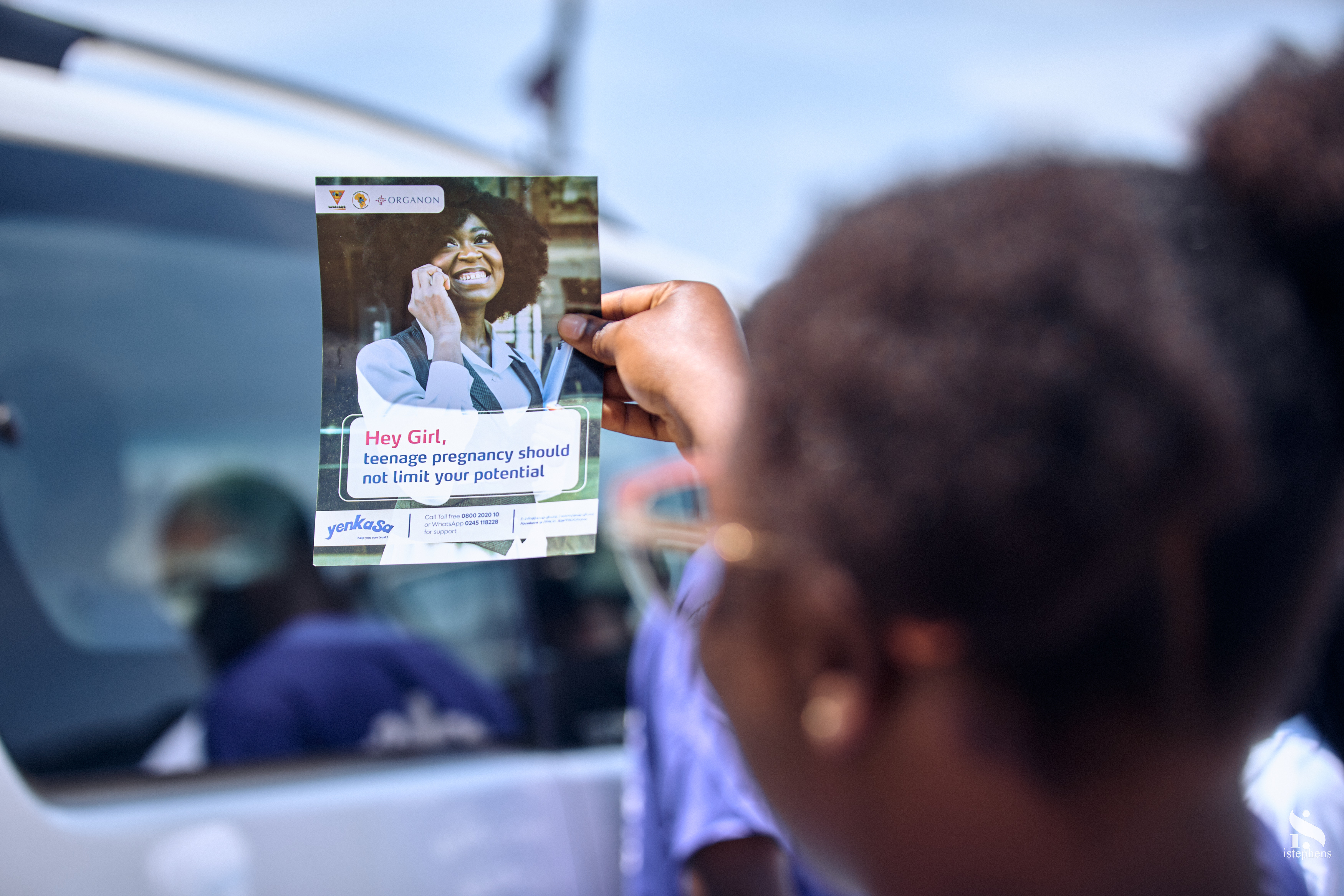
For more than two decades, Adwoa* has worked as a sexual and reproductive health (SRH) provider in Cape Coast, the capital of Ghana’s central region. In the early years of her career, Adwoa would be troubled by the numerous cases of unsafe abortions and related deaths in Cape Coast. In recent years, however, she has noted a remarkable shift with this regard, which she attributes to the efforts of IPPF's Member Association (MA) in the country –Planned Parenthood Association of Ghana (PPAG) where she works. Adwoa speaks more about her experiences in this article. By Maryanne W. WAWERU The Cape Coast region in Ghana is highly significant to the work of IPPF’s MA in the country - PPAG. It is home to several educational institutions including secondary schools, colleges, and universities with a notable student population comprising young people aged 10 – 24 years. Globally recognized as a leading provider of SRH services and a strong advocate for sexual and reproductive health and rights (SRHR), IPPF continually strives to address the challenges that young people face regarding their reproductive health. These challenges include early pregnancies, difficulties in accessing contraceptives, high rates of sexually transmitted infections (STIs) -including HIV, and unsafe abortions. Young people also struggle to find healthcare providers who can offer supportive, friendly, and non-judgemental SRH services. Ghanaian youth are not exempt from these challenges. Combined education, outreach and clinical care activities by PPAG PPAG’s Cape Coast clinic helps in addressing these challenges through its different programmes. By working with trained peer educators and service providers, the organization regularly conducts outreach activities in learning institutions and in community settings where young people gather. The informative sessions empower youth to make healthy and informed decisions about their sexual and reproductive health. PPAG also offers youth-friendly SRH services in its static clinics and through regular mobile clinics. The introduction of telemedicine has further complemented the organization’s service delivery efforts. The telemedicine approach entails provision of remote consultation, medication delivery, and follow-up support for medical, diagnostic and treatment services. This includes abortion services. Telemedicine for abortion Telemedicine for abortion in early pregnancy ensures that clients do not have to make in-person visits to clinics or hospitals, thus addressing several barriers attached to abortion-seeking services in health facilities, such as fear of judgement, stigma, and transport challenges. These barriers significantly contribute to women’s procurement of clandestine, unsafe abortions. Adwoa*, a nurse at PPAG’s Coast Clinic demonstrates the success of the telemedicine for abortion approach. “I have been in this clinic for slightly over 20 years. One of the major challenges that the Cape Coast community has always grappled with is unplanned pregnancies among adolescent girls and young women. This, considering the high youthful population that largely comprises of learners from schools, universities and colleges. In my earlier years working at the clinic, we would receive many cases of life-threatening complications from unsafe abortions procured by young women,” she says. The magnitude of the situation would be exemplified whenever she would participate in outreach activities in the community. “We would always learn about the unfortunate deaths of young women, including students, from botched abortions. They had procured the services from unskilled individuals -quacks. Their deaths greatly saddened me,” she says. For those who survived, Adwoa and her PPAG colleagues would offer post-abortion care services at the clinic. However, the worrying problem of unsafe abortions persisted. “We intensified our awareness campaigns in the community and in learning institutions about the need for contraception to prevent unplanned pregnancies. We needed more people to hear this message as we believed that this would reduce the cases of unsafe abortion morbidity and mortality. To widen access to safe abortion care, we introduced telemedicine for abortion services, which have subsequently benefitted hundreds of young women in Cape Coast,” she says. Expanding safe abortion care access To ensure quality of care in delivery of abortion care information and services, PPAG endeavours to continuously build the capacity of its service providers and peer educators. “Through different initiatives and programmes, the organization carries out regular trainings for its peer educators, thus increasing their capacity to conduct outreach activities in learning institutions and in the community. Additionally, PPAG has facilitated training opportunities for its clinicians and other service providers in and around Cape Coast on comprehensive abortion care (CAC), including telemedicine for abortion. This has not only strengthened the capacity of PPAG clinicians but has also increased the number of skilled abortion care service providers who can offer these services in Cape Coast. With this expanded network, it means that more women are now able to conveniently access life-saving abortion services without having to visit a health facility,” she says. The results have been evident, according to Adwoa. “Nowadays, when we go out for our regular outreaches in the community and in learning institutions, we no longer hear of girls and women who have died from unsafe abortions. On account of the heightened information awareness activities about safe abortion care, more women have been empowered to make safer choices when faced with the predicament of an unplanned pregnancy. We no longer receive cases of girls and young women presenting with complications from unsafe abortions. This is success to me,” a beaming Adwoa says. Adwoa attributes these achievements to increased awareness of telemedicine services especially among the student population, the community’s trust in PPAG’s services, as well as the increased network of trained service providers who can offer quality safe abortion care services in and around Cape Coast. *Name changed for privacy purposes
07 November 2025
Family Planning Association of Malawi Commends the High Court Ruling on amendment of Post-Abortion Care Guidelines
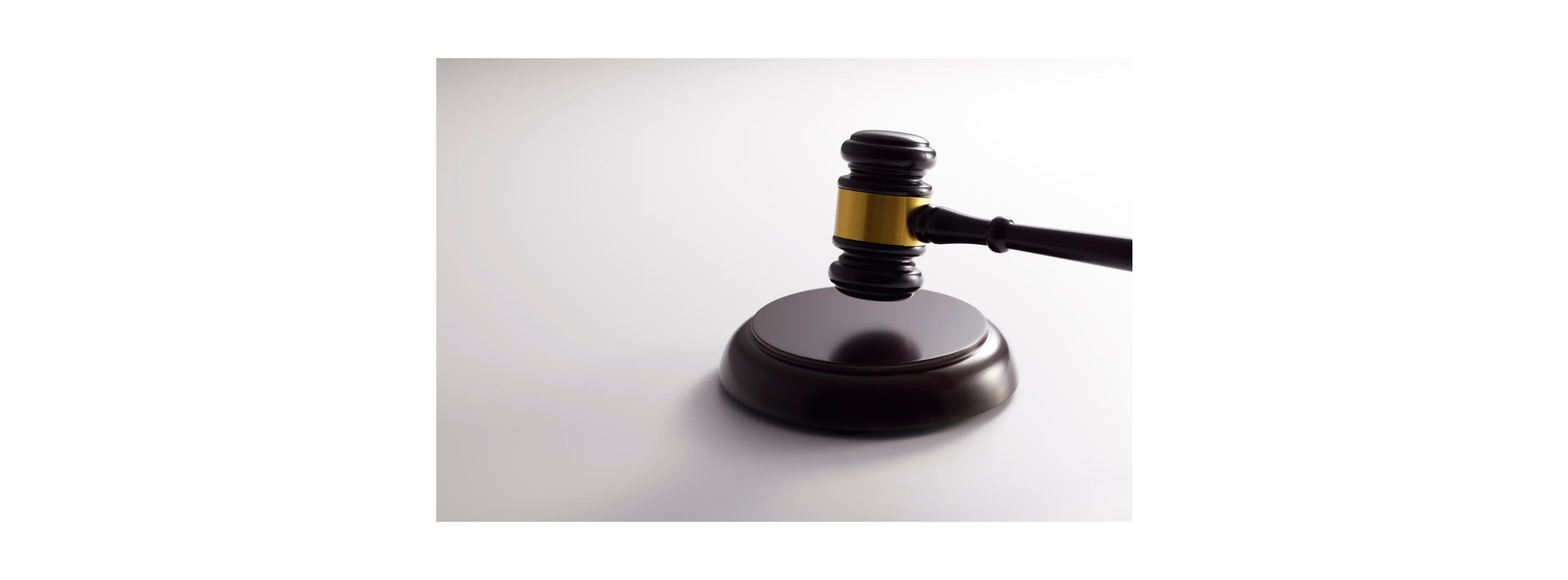
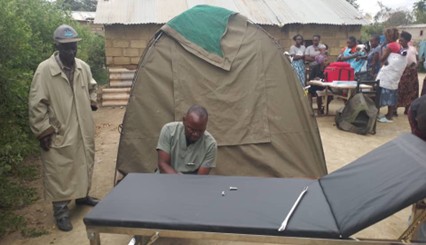
The Family Planning Association of Malawi (FPAM) commends the High Court of Malawi for its landmark ruling ordering the Ministry of Health to consider amending the Post-Abortion Care (PAC) Guidelines effective Tuesday, October 28, 2025. The ruling, delivered by Justice Mike Tembo, follows a case involving a 14-year-old girl from Chileka, Blantyre, who was defiled in 2022 and subsequently denied access to a safe abortion by health authorities. The survivor was later permitted to undergo the procedure and successfully terminated the pregnancy. The perpetrator, Lazalo Charles, was convicted and sentenced to 14 years imprisonment with hard labour - a sentence he is currently serving. In his judgment, Justice Tembo emphasized that the Constitution of the Republic of Malawi allows for the termination of pregnancy when the mother’s life is at risk, as was the case with the minor. The Court found that the 1st defendant, the Ministry of Health, breached several statutory duties, including: Section 19(1) of the Gender Equality Act [Cap. 25:06], which guarantees the right to adequate sexual and reproductive health, including access to safe and legal termination of pregnancy. Section 19(2) of the Gender Equality Act, which guarantees every person the right to choose whether or not to have a child, subject to Sections 149 and 151 of the Penal Code as read with Section 243. Section 20(1)(d) of the Gender Equality Act, which mandates that a health officer imparts all necessary information for a person to make an informed decision regarding procedures or services affecting their sexual and reproductive health. The Court further stated: “This Court has absolutely no doubt that the claimant suffered injury and loss due to the mental anguish attendant to her being compelled to carry the unwanted pregnancy longer than necessary herein, that is, for the duration between her being unlawfully denied access to a safe abortion by the 1st defendant to the time she eventually was afforded the right to access by the specialist at Queen Elizabeth Central Hospital.” In conclusion, the Court found that the claimant had made out her case and was entitled to all declarations and reliefs sought, including costs and damages to be assessed by the Registrar if not agreed upon within 14 days. Commenting on the ruling, FPAM Executive Director Mr. Donald Makwakwa stated: “This ruling is a victory for justice, health, and human rights. For too long, many women and girls in Malawi have suffered or lost their lives due to unsafe abortions resulting from restrictive interpretations of policy. We commend the High Court for reaffirming the constitutional and human rights of women and girls to access safe post-abortion care. FPAM remains committed to supporting government efforts to ensure that all Malawians, especially women and girls, can access the sexual and reproductive health services they need without fear or discrimination.” As an organization committed to advancing sexual and reproductive health and rights in Malawi, FPAM reiterates the importance of aligning national policies and guidelines with constitutional and human rights principles to protect the health, dignity, and lives of women and girls. END For more information, please contact: [email protected], Phone: +265999855977 FPAM website: https://www.fpamalawi.org
07 November 2025
Boosting FP Uptake through Door-to-Door Campaigns in Zambia
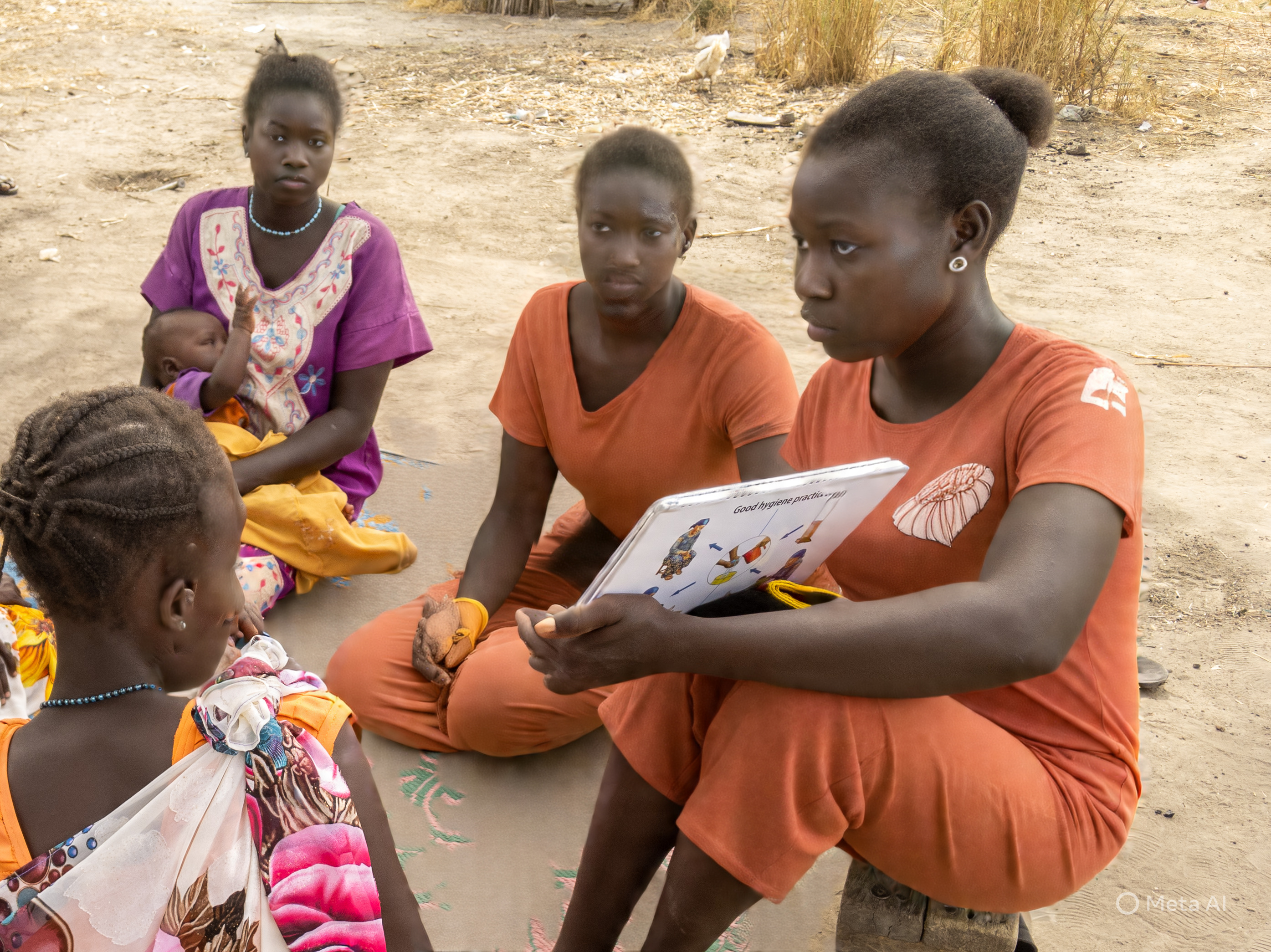
In the heart of Zambia’s rural and underserved urban communities, women and girls often face invisible barriers to accessing family planning. Health facilities are far, stigma is real, and myths about contraceptives persist. For adolescents, persons with disabilities, and women living in poverty, these challenges are even greater leaving many without the information or services they need to make informed reproductive health choices. To address these gaps, the WISH 2 project rolled out an innovative solution: taking FPservices directly to households. Through a door-to-door campaign implemented across eight provinces, the programme brought trusted health workers and peer educators into communities, sparking conversations that had long been silenced. “By bringing services closer to communities through approaches like door-to-door campaigns, WISH 2 aims to break down barriers, demystify family planning, and create a more supportive environment for informed SRH decision-making,” says a community leader. The campaign relied heavily on Community Health Workers (CHWs) and Peer Educators, who went from house to house providing accurate information, dispelling myths, and linking women directly to FPservices offered through outreach. Working hand in hand with the Ministry of Health, community leaders, and partners such as JHU, the approach not only increased knowledge but also built trust. The results were striking. Within just three months, the number of couple years of protection (CYP) rose sharply from 29,329 in April to 46,830 in May, with continued strong uptake in June. More women, especially in remote areas, began choosing long-acting methods, a sign of growing confidence and autonomy in decision-making. “The door-to-door strategy proved to be a powerful and effective approach for increasing access to FPservices at the community level,” reflects one health worker involved in the campaign. “It gave women the privacy and space to ask questions they would never raise in public.” Despite being time- and resource-intensive, the campaign’s success lies in its sustainability. By leveraging CHWs and Peer Educators who already live and work within these communities, the programme reduced operational pressures while ensuring that the approach can be scaled and maintained. One of the most important lessons, according to the team, is the role of local leadership. Engaging community leaders and influencers to actively promote FPservices strengthens trust and ensures buy-in. It’s what makes this approach work. Building on this momentum, the Planned Parenthood Association of Zambia (PPAZ) plans to expand the door-to-door strategy to more communities. The vision is clear: a Zambia where every woman and girl, no matter where she lives, has the power to make informed choices about her reproductive health.
07 November 2025
From Awareness to Action: Women Leaders Transforming Family Planning Access in Conflict-Affected Rubkona
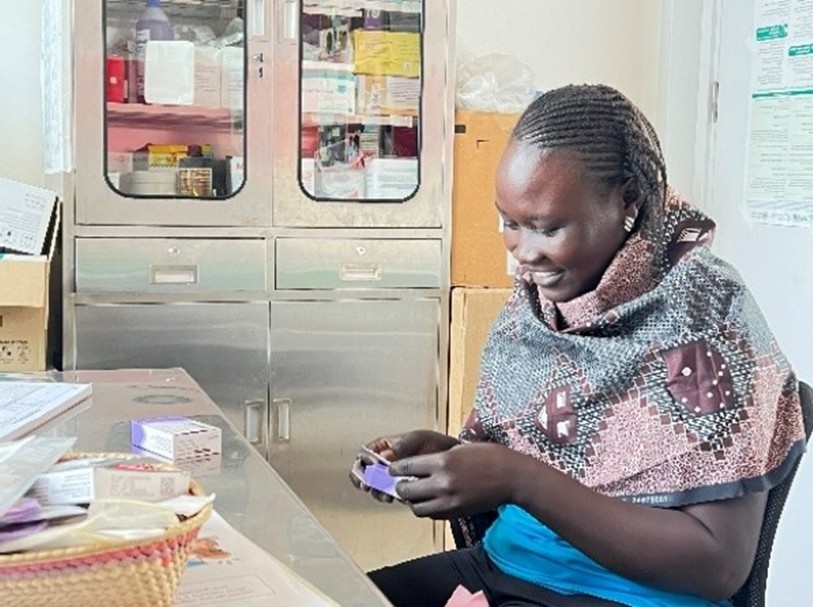
In the heart of Rubkona County, South Sudan, a place often defined by conflict, displacement, and fragility, Nyamuch stands tall. A community leader, women’s representative, and mother, she knows too well what silence costs. In Rubkona County, South Sudan, a region marked by years of armed conflict and displacement, accessing basic health services remains a daily struggle, especially for women and girls. Amid limited infrastructure, sporadic facility closures, and persistent insecurity, reproductive health care often falls through the cracks. In Protection of Civilians (PoC) sites and temporary shelters, family planning was not just unavailable, it was unheard of. “Before, we lived in fear, unwanted pregnancies, no information, no voice,” says Nyamuch, a local women’s representative and community mobilizer. “Now we speak for ourselves, and our daughters will too.” The turning point came when Nyamuch and other women leaders received targeted training from the IRC under the WISH 2 project as part of a locally led initiative in early 2025. The workshop focused on accurate family planning information, counselling techniques, and communication tools tailored to the cultural and humanitarian context. These trained community leaders began organizing outreach through school visits, peer dialogues, and household outreach, they have demystified family planning, challenged myths, restored trust in health services and bridged the gap between health providers and women in displacement. Between January and May 2025, Rubkona reported a 43% increase in family planning uptake, with a 28% rise in long-acting reversible contraceptive use compared to the same period in 2022. These are not just numbers, they reflect safer choices, reduced unintended pregnancies, and rising confidence in local health systems. Yet it hasn't been easy. Deep-rooted norms around spousal consent often posed barriers and led to instances of GBV. In response, IRC integrated male engagement sessions, promoting dialogue and shared decision-making, which helped reduce resistance and build community support. “This is not just about contraception,” says Atem Deng, Health Coordinator at Rubkona PHCC. “It’s about rebuilding trust in health services, in women’s rights, and in our ability to support our own communities, even in crisis.” Rubkona’s story is a testament to grassroots leadership in fragile settings. It proves that when women lead, systems shift, even in the most fragile contexts. Scaling this model across similar settings offers a roadmap for building SRH resilience and advancing reproductive rights in the face of crisis. When women lead change, even under the shadow of conflict, systems begin to heal, and progress takes root.
07 November 2025
WISH 2 Client Stories from South Sudan: One Project, Many Journeys
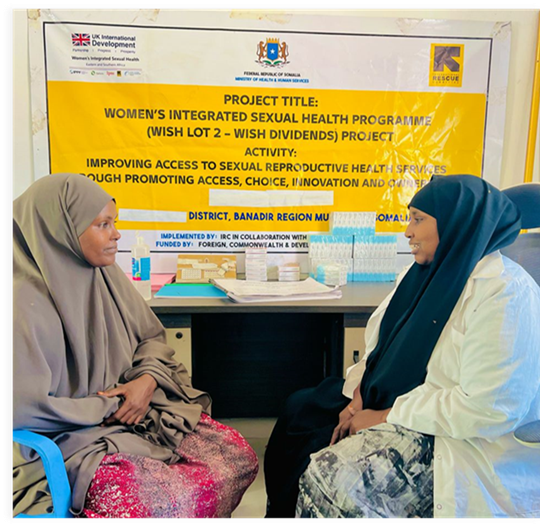
Across communities, women face different realities when it comes to reproductive health. Some carry the burden of misinformation, others struggle to make decisions in silence, and many grow into champions who inspire change. Through the WISH2 project, women are finding safe spaces, accurate information, and supportive care that allow them to take charge of their futures. Here are the stories of three women whose journeys reflect the diverse ways WISH 2 is changing lives. Choosing Her Future in Silence At just 24, she stepped into the clinic quietly, her face marked with determination. A university student and mother of two, her academic journey had been interrupted by closely spaced pregnancies. She longed to resume her studies and secure a brighter future. Much of what she knew about contraception came from peers and media sources, but she had no clear idea how to begin or where to find trustworthy guidance. What she was certain of, however, was her desire to return to university and pursue her degree. She had heard from friends that Implanon could be a suitable method, but when it was unavailable, she opted for Sayana Press, a decision that was both practical and deeply personal. What made her story even more striking was her insistence on confidentiality. She wanted her decision hidden from her husband, knowing the risks, yet unwilling to let go of her autonomy. The service provider, trained under the WISH 2 project, encouraged her to discuss the decision with her husband and suggested she take time to reflect. But ultimately, she was assured of her right to choose for herself, and her request for privacy was respected. Through the WISH 2 project, she found a youth-friendly, confidential service that honored her voice and supported her choice. In that safe space, she regained control of her life and her future. From Myths to Informed Choice For another 24-year-old student, the barriers looked very different. She was not hiding her decision but was instead overwhelmed by fear and misinformation. From her peers and community, she had heard repeatedly that contraception could cause infertility, infections, and long-term health problems. These myths clouded her judgment, creating doubt even as she recognized the importance of protecting her health and education. Education, for her, was the foundation of a better future, and she did not want anything to stand in the way. When she visited a WISH 2-supported clinic at Juba International Hospital in South Sudan, she encountered something new: patient, respectful counselling from a trained provider. Each of her fears was carefully addressed with facts, and every question she asked was met with compassion. Gradually, her doubts gave way to trust. By the end of the session, she chose the Combined Oral Contraceptive pill, her first step into family planning. Through WISH 2, she did not just receive a method; she gained the confidence to make informed decisions based on knowledge rather than fear. Her story is a powerful reminder of the importance of accurate information and respectful care. From Client to Community Champion At 28, she entered the clinic with a smile confident, informed, and supported. This was her third visit, and she already knew the method that best suited her needs. Unlike others who struggled with secrecy or misinformation, her journey had been steady and affirming. Her strength was rooted in the support system around her: her husband, her mother, and even her husband’s family encouraged her to use family planning. With their backing, she could continue her work and education without compromise, a change that her loved ones could see clearly in her progress. Inspired by her own journey, she has now stepped into a new role as a community champion for WISH 2 project. With knowledge and encouragement gained through the WISH 2 project, she speaks openly about her experience, dismantling stigma and motivating other women to learn, choose, and lead. For her, empowerment is not just personal, it is something to be shared. Each of these women represents a unique journey: one of secrecy, one of overcoming fear, and one of leadership. Together, they illustrate the transformative power of WISH 2: creating safe spaces, dispelling myths, and nurturing champions. By supporting women at every stage of their reproductive health journeys, the WISH 2 project ensures that no matter where they begin, they can move toward a future defined by knowledge, choice, and dignity.
07 November 2025
Changing Minds, Saving Lives: How Family Planning is Transforming Communities in Somalia
In Howl-Wadag District of Benadir Region, Mogadishu, the story of family planning is one of quiet transformation. For decades, Somali women and girls have faced some of the world’s toughest reproductive health challenges. With a maternal mortality rate of 563 per 100,000 live births, a fertility rate as high as 6.9, and a modern contraceptive prevalence of just 1%, the need for accessible, safe, and trusted family planning services has never been greater. Conflict, displacement, and drought have weakened Somalia’s health system, leaving communities especially internally displaced persons with little access to quality reproductive health services. Deep-rooted social and religious norms, widespread myths about contraception, and male opposition further limit women’s reproductive choices. Yet, amidst these challenges, Arif Health Center stands as a symbol of change. Through the WISH 2 project, the Ministry of Health has received critical support to expand FP services, strengthen provider capacity, and engage communities in open dialogue about reproductive health. At Arif Health Center, over 85,000 people, including many displaced families, now benefit from comprehensive care encompassing maternal and child health, birth spacing, and nutrition services. FP counseling, ensuring that every woman who walks through the door is informed of her choices. The availability of a reliable contraceptive supply chain has eliminated frequent stockouts, and method options have diversified from injectables and implants to pills and condoms giving women the freedom to choose what suits them best. The impact has been profound. Between WISH Phases I and II, Arif Health Center recorded a remarkable 68% increase in the number of women accessing family planning services. Monthly uptake rose from an average of 210 clients in 2022 to 353 in 2025, marking the highest level since the start of WISH support. The method mix also diversified significantly. While short-term methods such as injectables previously accounted for 80% of total use, their proportion dropped to 55% in 2025 as more women opted for long-acting reversible contraceptives (LARCs) such as implants and intrauterine devices (IUDs), which together increased from 15% to 40% of the total method mix. This shift reflects not only greater awareness and trust in modern contraception but also the success of provider training, continuous community engagement, and religious leader advocacy in normalizing family planning. Women are now choosing methods based on informed preference rather than limited availability or fear of side effects. This change did not happen overnight. A critical breakthrough came through religious leaders, who were engaged to link family planning with Islamic teachings on maternal well-being and responsible parenthood. Their support has been transformative turning FP from a taboo into a topic of health and faith. Community health workers, once hesitant themselves, are now champions for birth spacing, sharing accurate information and countering myths in markets, mosques, and homes. The lessons from Arif Health Center reveal that progress in fragile settings depends on trust, partnership, and persistence. Strengthened provider capacity, consistent supplies, and community engagement together created a ripple effect boosting confidence, expanding choice, and saving lives. Despite ongoing challenges, such as limited funding, displacement, and the fragility of the health system, Somalia’s experience offers a clear message: with the right support, even the most fragile contexts can witness a positive shift in family planning uptake. The journey continues. The Ministry of Health and WISH 2 partners are now working to expand this model to other districts, ensuring that every Somali woman, regardless of circumstance, can access voluntary, rights-based family planning services and the dignity, safety, and hope that come with it.
07 November 2025
Breaking Barriers, Saving Lives: Safe Abortion Services Now a Reality
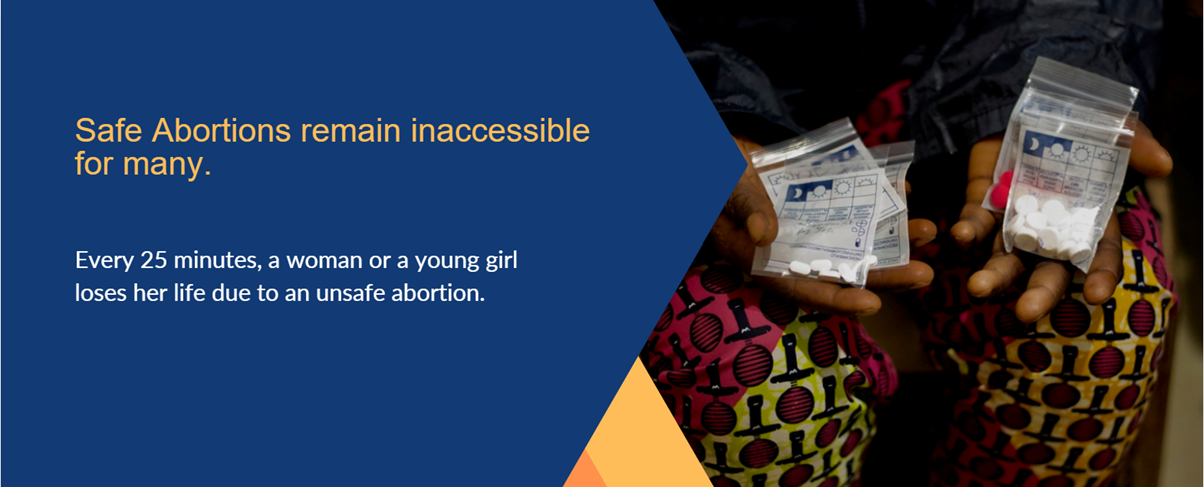
Tikil Dingay Health Center, one of the main facilities serving the district, had discontinued comprehensive abortion care services for over two years following the turnover of trained providers due to the Northern Ethiopia Conflict. The absence of skilled personnel meant that women and girls were left with few options often resorting to unsafe and unregulated procedures that endangered their lives. Unsafe abortion continues to be one of the leading causes of maternal deaths in Ethiopia, with 42% of unintended pregnancies ending in abortion nearly 73% in unsafe conditions. The two-and-a-half-year conflict in northern Ethiopia, particularly in Amhara, has worsened the situation by disrupting health services and increasing adolescent vulnerability to unplanned pregnancies and unsafe abortions. The ongoing efforts under the WISH 2 project to restore and strengthen safe abortion services in Lay Armachiho in Amhara region therefore represent a critical intervention to safeguard women’s and adolescents’ reproductive health and rights, rebuild community trust in health facilities, and reduce preventable maternal deaths. To address this urgent gap, the Family Guidance Association of Ethiopia partnered with the Woreda Health Office to assess the facility’s capacity and design an intervention to restore services. The assessment confirmed that while the health center served a large catchment population, it lacked trained staff and essential supplies to deliver safe abortion care. In response, FGAE organized a 17-day Comprehensive Abortion Care training in Addis Ababa for selected healthcare providers, in line with Ministry of Health standards. Among the trainees was Dr. Solomon Adugna from Tikil Dingay Health Center, who upon completing the training, returned to the facility and immediately began mobilizing his colleagues to reinstate the service. The center allocated a dedicated room for CAC, procured necessary supplies including abortion kits, medications, and registration materials and established a routine supervision and mentorship system to ensure quality and accountability. “After completing the training, I was determined to ensure no woman in our community would suffer or die because she lacked access to safe care. We quickly organized our team, prepared the room, secured supplies, and restarted the service with full accountability,” — Dr. Solomon Adugna, Tikil Dingay Health Center Within just four months of resuming services, 19 women and adolescent girls accessed safe abortion and post-abortion care, including counselling, HIV testing, and family planning. Though modest in number, these cases represent lives saved and health restored tangible evidence of the transformative power of capacity building and local leadership. One of the clients, a 19-year-old girl, recounted her experience: “I was very worried. The private clinic requested me 6,000 Birr (which is equivalent to 40$) for the service. While searching for other traditional alternatives, one of my colleagues told me the health center provides the service. Anyway, they saved my life.” The success of this intervention was not without challenges. Frequent staff turnover and technical gaps had disrupted service continuity for years. However, through close collaboration between FGAE, the Woreda Health Office, and Tikil Dingay Health Center, these challenges were effectively mitigated. Plans are now in place to assign dedicated staff and expand training opportunities for additional providers, ensuring sustainability and continued access to safe services.

05 November 2025
Sex Workers Leading the Fight Against HIV in Mozambique’s Manica Province
In Mozambique, in the continued fight against HIV, certain populations face a heightened risk of transmission, such as sex workers. With an HIV prevalence of 12.5% among adults, and a disproportionate burden on women, the need for targeted, effective interventions is critical. Among women, HIV prevalence can range from 4.5% in younger age groups to as high as 26.6% in those aged 35-39. This alarming reality underscores the urgency of comprehensive HIV prevention strategies tailored to vulnerable groups like sex workers. From April 2024, the Phamberi na Kudzirira (Forward with Prevention) project, which is funded by the Government of Japan, through the Japan Trust Fund (JTF) and implemented by IPPF’s Member Association in the country, Associação Moçambicana para o Desenvolvimento da Família (AMODEFA), has been addressing this challenge through innovative strategies that integrate Pre Exposure Prophylaxis (PrEP) and other biomedical HIV prevention methods such as the vaginal ring. Through mobile brigades, peer education, and targeted health services, the project has been making meaningful contributions in HIV transmission reduction efforts among sex workers in Mozambique’s Manica province. Manica province was strategically selected as the intervention site because one of its districts serves as a key transport corridor with interconnected roads leading to Maputo, other provinces in Mozambique, as well as the neighbouring country of Zimbabwe. This makes Manica a hotspot for heavy truck drivers and sex workers, thus an area of heightened HIV risk. The overarching goal of the Phamberi na Kudzirira project is to contribute to the reduction of HIV transmission by supporting the acceptance, distribution, and effective use of oral PrEP. The project seeks to ensure that sex workers have access to comprehensive sexual and reproductive health services, with PrEP as a cornerstone of HIV prevention. Peer Educators: Empowering Voices for Change The Phamberi na Kudzirira project works with a dedicated team of 10 health workers who are all trained to provide high quality, inclusive PrEP services tailored to the specific needs of sex workers. It also works with 20 peer educators across three districts in Manica province: Gondola, Chimoio, and Manica. The peer educators, who also double up as sex workers, are trained to share accurate information, offer support, and guide their peers to access vital HIV prevention services. Not only does the project leverage the trust and influence that peer educators hold within the sex worker community, but it also empowers sex workers to become active agents of change in the HIV response. The credibility and relatability of the peer educators are further reinforced by the fact that all 20 of them are personally using PrEP, demonstrating their confidence in the program and serving as powerful role models for their peers. The successes of the ongoing training program are measured through pre- and post-tests for the peer educators, to ensure that quality information is consistently shared during outreaches. Barriers to accessing sexual reproductive health services The Phamberi na Kudzirira project is however not without challenges. One of the significant challenges that sex workers face, and which the project continues to address, is the anxiety that comes with accessing SRHR services in health facilities. “The fear of being judged or mistreated often discourages sex workers from seeking medical help, even when necessary. To overcome this, I often accompany them to health facilities. AMODEFA works with partner health facilities who have been trained on non-discriminatory practices and are therefore able to satisfactorily attend to clients. Accompanying sex workers to these facilities helps to reassure them of the services and the service providers. Their interaction with the trained service providers encourages them to return for services when in need,” says Linda, a peer educator. Mobile brigades: enhancing access to SRHR services at hotspots To address the challenge of sex workers’ uptake of SRHR services in health facilities, the Phamberi na Kudzirira project has intensified efforts to create a more private and supportive environment through mobile brigades. Given the unique needs of sex workers, who often work at night in various hotspots, mobile brigades have played a crucial role in delivering services where they are needed most. These brigades bring HIV testing and PrEP services directly to the areas where sex workers operate, helping to reduce barriers such as stigma at health facilities. Since September 2024, AMODEFA has conducted 18 successful outreach missions, significantly increasing the accessibility of HIV prevention services. Sara*, a sex worker, is one of the beneficiaries of the mobile brigades. “The mobile brigades have enabled my friends and I to access testing and PrEP without the fear of the stigma that we often experience in health facilities. We feel more comfortable accessing services at the mobile brigades as they come right to where we are and the clinicians understand our needs very well,” she says. In areas where mobile brigades are not present, peer educators step in to guide sex workers to health units, ensuring they still receive testing and treatment despite concerns about stigma. Adherence to PrEP challenges Adherence to PrEP has also been identified as a challenge by the sex workers, as Rosa*, a sex worker explains. “Taking medication every day often feels tiring. However, the peer educators have emphasized the need for me to ensure that I take my medication as recommended. The peer educators encouraged me to prioritize my PrEP drugs in the same way I prioritize my meals. This helped me to understand the importance of the drugs,” she says. The engagement of sex workers as peer educators has been instrumental in promoting sustainability and ensuring that knowledge is passed on from one hotspot such as bars and roadside stops to the next. The mobile brigades have further strengthened this effort by making HIV testing and prevention services more accessible and less stigmatized, thus empowering sex workers to take charge of their health. Not only does the Phamberi na Kudzirira project leverage the trust and influence that peer educators hold within the sex worker community, but it also empowers sex workers to become active agents of change in the HIV response. The peer education model has proven to be one of the project’s greatest strengths. So far, 712 sex workers have been enrolled on oral PrEP courtesy of the Phamberi na Kudzirira project, demonstrating the reach and the impact of the program. Looking ahead, the project aims to continue expanding its reach and impact. The introduction of the vaginal ring as a new HIV prevention option in Mozambique holds significant promise, and AMODEFA hopes to integrate this method into its services as soon as it becomes widely available. “We are looking forward to this option, since adherence will be easier for us,” says Carla*, a sex worker and who is also a peer educator. Carla* notes that the vaginal ring will help in reducing reliance on a single method and improve overall adherence among sex workers. Sergio Mpilele, the Phamberi na Kudzirira Project Manager says that building on the current achievements, the project is paving the way for a more inclusive and effective HIV prevention response in Manica Province. “AMODEFA's innovative approach to HIV prevention in Manica province is setting a powerful example for how community led, inclusive health initiatives can make a real difference in the lives of those most at risk. Through the empowerment of peer educators, the accessibility of mobile brigades, and the continued education of sex workers about PrEP,” he says. *Names have been changed to protect the privacy of the individuals involved. Evelyn Nduati is the JTF Project Lead at the IPPF Africa Regional Office.
04 November 2025
Bringing choice closer through Sayana Press
Nestled along the southern shores of Lake Kariba, Sinazongwe District is one of Zambia’s most remote areas. Many of its communities are scattered across hilly terrain and along the lakeside, where accessing health services can mean walking several kilometres under the scorching sun. For young women and adolescents, especially those who are unmarried, the journey to seek family planning services can be even more daunting due to stigma and lack of privacy. In Zambia, only 48% of married women aged 15–49 use modern contraceptive methods, and 20% of married women still have an unmet need for family planning. The situation is often worse in rural and hard-to-reach districts like Sinazongwe, where health facilities are far apart and social norms limit young women’s access to contraception. It is within this challenging context that the WISH 2 project, in partnership with local health authorities and WISH 2 implementing partners, has been working to expand access to modern contraception through community outreach. One of the most transformative interventions has been the introduction of Sayana Press, a self-injectable contraceptive that women can administer privately and conveniently. While Zambia may not yet have a fully formalised, standalone National Self-Care Framework for SRHR, there are emerging toolkits and policies supporting self-care in SRHR. “Young people can easily access Sayana Press during outreach and unmarried girls prefer it because it’s discreet, no one needs to know they are using contraception,” explained Elector Siyapwaya, a Community Health Worker in Sinazongwe health facility. “When I teach a young woman to use Sayana on her own, I feel proud. It means she can plan her life without fear,” added Siyapwaya. In Sinazongwe District, family planning services were integrated within the Well-Baby Clinic, where mothers bring their infants for routine weighing and growth monitoring. Through this platform, healthcare workers also provide SRHR awareness and FP counseling on modern family planning methods. Women can receive methods covering three to one year, reducing the need for frequent clinic visits. This approach reduces the burden of long travel to health centers and makes reproductive health services more accessible to all. “As a young married woman, I used to forget to take my pills. Now, with Sayana Press, I just take one injection every three months. It’s easy, and I can do it myself or if I need assistance, CHVs are there,” shared Mwila, a 24-year-old mother of two. Despite these successes, challenges remain. Privacy during outreach is still an issue, as most sessions take place in open spaces without tents or designated service corners. “It’s difficult to ensure privacy when providing services in public spaces. Sometimes young women hesitate to approach us because others might see them,” said Siyapwaya. To address this, WISH 2 partners have invested in training Community Health Workers and Volunteers on both the administration of Sayana Press and client confidentiality to teach women how to safely self-inject, empowering them to manage their own reproductive health and promoting self-care. This community-based model is showing promising results, and the impact is visible. More young women are now choosing self-injectables, appreciating their convenience and discretion. For those living in remote or conservative areas, Sayana Press represents more than a contraceptive, it embodies control, choice, and dignity. Convenient, private, and requiring no frequent clinic visits, it offers women greater autonomy over their reproductive health. As outreach services continue to extend to the most isolated parts of Sinazongwe, Sayana Press is proving to be more than a method, it is a symbol of empowerment, helping young women take charge of their health and futures, even in Zambia’s most hard-to-reach communities.
26 November 2025
Men who step up for family planning: One Ethiopian man’s journey to vasectomy
In Ethiopia, just like in many other countries in sub-Saharan Africa, family planning has long been viewed as a woman’s responsibility, where she is expected to shoulder the burden of preventing unplanned pregnancies. However, a gradual shift is emerging where men are now engaging in conversations around family planning and even taking up personal measures to prevent unplanned pregnancies by choosing vasectomy. IPPF’s Member Association in the country – Family Guidance Association of Ethiopia (FGAE) is championing male involvement in family planning, and with notable results as highlighted in this article by Yvonne Tatah. In the small town of Waliso, located in Ethiopia’s Oromia Region, 57-year-old Kareb walked into the FGAE Waliso Medium SRH clinic alongside his wife, Assefash, 45. The clinic is operated by FGAE, which is one of the leading organizations providing rights-based sexual and reproductive health services in the country. The couple had been married for more than two decades and were raising eight children -already more than they had planned for. Assefash had recently made a decision to end a pregnancy and was determined to take measures that would ensure she did not get pregnant again, hence the visit to the clinic. She already knew she wanted the implant as her contraceptive method, but she had heard worrying misinformation from women in her village. Some had told her that the implant could move inside the body and cause harm, a rumour that frightened her. Concerned, she sought expert guidance on contraceptives and chose the FGAE Waliso clinic, whose services she had heard about from residents of neighbouring Wolkite. Her husband accompanied her for support. At the clinic, nurse Tersit listened carefully to the couple and provided detailed guidance on a range of modern family planning methods, from temporary to long-acting and permanent. Among the options was the vasectomy, a simple procedure that blocks the small tubes carrying sperm to prevent pregnancy. It is quick, requires no stitches, does not impact hormones or sexual drive, and allows men to resume their normal activities soon after. Nurse Tersit emphasized that the decision rested entirely with the couple. During joint counselling, they discussed the options together and agreed that vasectomy was the method that best suited their needs. “We already have eight children who are enough for us. Once I understood that vasectomy was a quick and safe procedure that would not affect my strength or sexual function, I decided I would undergo the procedure. It is better to make a firm decision that will ensure my wife does not fall pregnant again,” he said. Kareb’s procedure was performed at the FGAE Waliso Medium SRH Clinic by trained providers and was completed with no complications. “Nowadays, I feel relieved of anxiety from an unintended pregnancy,” he later said. Kareb has since become a voice for change. He speaks with other men during community gatherings, coffee ceremonies, and informal conversations about the importance of shared responsibility in family planning. A Conversation long Overdue Vasectomy is a safe and effective form of permanent contraception for men. Yet in Ethiopia, it remains one of the least-used methods. A 2020 study found that 24% of married men in Addis Ababa intended to use vasectomy in the future. However, according to the 2016 Ethiopia Demographic and Health Survey, fewer than 1% had actually done so. Many of the barriers men face are cultural rather than medical. Many men equate vasectomy with castration, drawing from livestock practices where an ox is rendered infertile and believed to lose strength. Others fear stigma or believe the procedure as religiously unacceptable. According to internal Ministry of Health data reported in its 2023/24 Annual Report, permanent methods, including vasectomy, accounted for only 1.3% of new contraceptive acceptors. Injectables, implants, and pills remain the most commonly chosen methods. FGAE’s internal data reflects the same pattern. Of more than two million clients served in 2023/24, only eight men chose vasectomy. Each of these decisions, although small in number, represents a powerful story of informed choice and shared responsibility. In a bid to increase the uptake of vasectomy, FGAE service providers, including Nurse Tersit, apply couple counselling as a practical approach to strengthening male involvement. When a woman arrives with health concerns or cannot safely use a female centered method, both partners are invited into counselling sessions to explore permanent options together. This gives them an opportunity to consider all available options together and choose what supports the wellbeing of both. In Waliso, the approach of listening first, counseling both partners, and building trust demonstrates how FGAE providers involve men as equals in reproductive decision-making instead of as bystanders. As the FGAE Director of Programs, Gashaw Kebede explains, “The lesson from Waliso is clear. When partners receive counselling together, men are more likely to consider vasectomy and to participate in shared decision making in family planning. This approach helps distribute responsibility more evenly and reduces the burden that often falls on women.” He adds that this approach requires sustained investment. “This work needs more than technical training. It requires safe spaces for men, community dialogues that challenge gender norms, and continuous support for inclusive family planning services. Kareb did not intend to become an advocate, but by choosing what was best for his family and listening to his wife, he became part of a quiet and growing movement for change. His story shows what is possible when men are welcomed as partners in care.”
17 November 2025
“We no longer hear cases of abortion-related deaths in Cape Coast, Ghana” -- PPAG clinic nurse
For more than two decades, Adwoa* has worked as a sexual and reproductive health (SRH) provider in Cape Coast, the capital of Ghana’s central region. In the early years of her career, Adwoa would be troubled by the numerous cases of unsafe abortions and related deaths in Cape Coast. In recent years, however, she has noted a remarkable shift with this regard, which she attributes to the efforts of IPPF's Member Association (MA) in the country –Planned Parenthood Association of Ghana (PPAG) where she works. Adwoa speaks more about her experiences in this article. By Maryanne W. WAWERU The Cape Coast region in Ghana is highly significant to the work of IPPF’s MA in the country - PPAG. It is home to several educational institutions including secondary schools, colleges, and universities with a notable student population comprising young people aged 10 – 24 years. Globally recognized as a leading provider of SRH services and a strong advocate for sexual and reproductive health and rights (SRHR), IPPF continually strives to address the challenges that young people face regarding their reproductive health. These challenges include early pregnancies, difficulties in accessing contraceptives, high rates of sexually transmitted infections (STIs) -including HIV, and unsafe abortions. Young people also struggle to find healthcare providers who can offer supportive, friendly, and non-judgemental SRH services. Ghanaian youth are not exempt from these challenges. Combined education, outreach and clinical care activities by PPAG PPAG’s Cape Coast clinic helps in addressing these challenges through its different programmes. By working with trained peer educators and service providers, the organization regularly conducts outreach activities in learning institutions and in community settings where young people gather. The informative sessions empower youth to make healthy and informed decisions about their sexual and reproductive health. PPAG also offers youth-friendly SRH services in its static clinics and through regular mobile clinics. The introduction of telemedicine has further complemented the organization’s service delivery efforts. The telemedicine approach entails provision of remote consultation, medication delivery, and follow-up support for medical, diagnostic and treatment services. This includes abortion services. Telemedicine for abortion Telemedicine for abortion in early pregnancy ensures that clients do not have to make in-person visits to clinics or hospitals, thus addressing several barriers attached to abortion-seeking services in health facilities, such as fear of judgement, stigma, and transport challenges. These barriers significantly contribute to women’s procurement of clandestine, unsafe abortions. Adwoa*, a nurse at PPAG’s Coast Clinic demonstrates the success of the telemedicine for abortion approach. “I have been in this clinic for slightly over 20 years. One of the major challenges that the Cape Coast community has always grappled with is unplanned pregnancies among adolescent girls and young women. This, considering the high youthful population that largely comprises of learners from schools, universities and colleges. In my earlier years working at the clinic, we would receive many cases of life-threatening complications from unsafe abortions procured by young women,” she says. The magnitude of the situation would be exemplified whenever she would participate in outreach activities in the community. “We would always learn about the unfortunate deaths of young women, including students, from botched abortions. They had procured the services from unskilled individuals -quacks. Their deaths greatly saddened me,” she says. For those who survived, Adwoa and her PPAG colleagues would offer post-abortion care services at the clinic. However, the worrying problem of unsafe abortions persisted. “We intensified our awareness campaigns in the community and in learning institutions about the need for contraception to prevent unplanned pregnancies. We needed more people to hear this message as we believed that this would reduce the cases of unsafe abortion morbidity and mortality. To widen access to safe abortion care, we introduced telemedicine for abortion services, which have subsequently benefitted hundreds of young women in Cape Coast,” she says. Expanding safe abortion care access To ensure quality of care in delivery of abortion care information and services, PPAG endeavours to continuously build the capacity of its service providers and peer educators. “Through different initiatives and programmes, the organization carries out regular trainings for its peer educators, thus increasing their capacity to conduct outreach activities in learning institutions and in the community. Additionally, PPAG has facilitated training opportunities for its clinicians and other service providers in and around Cape Coast on comprehensive abortion care (CAC), including telemedicine for abortion. This has not only strengthened the capacity of PPAG clinicians but has also increased the number of skilled abortion care service providers who can offer these services in Cape Coast. With this expanded network, it means that more women are now able to conveniently access life-saving abortion services without having to visit a health facility,” she says. The results have been evident, according to Adwoa. “Nowadays, when we go out for our regular outreaches in the community and in learning institutions, we no longer hear of girls and women who have died from unsafe abortions. On account of the heightened information awareness activities about safe abortion care, more women have been empowered to make safer choices when faced with the predicament of an unplanned pregnancy. We no longer receive cases of girls and young women presenting with complications from unsafe abortions. This is success to me,” a beaming Adwoa says. Adwoa attributes these achievements to increased awareness of telemedicine services especially among the student population, the community’s trust in PPAG’s services, as well as the increased network of trained service providers who can offer quality safe abortion care services in and around Cape Coast. *Name changed for privacy purposes
07 November 2025
Family Planning Association of Malawi Commends the High Court Ruling on amendment of Post-Abortion Care Guidelines
The Family Planning Association of Malawi (FPAM) commends the High Court of Malawi for its landmark ruling ordering the Ministry of Health to consider amending the Post-Abortion Care (PAC) Guidelines effective Tuesday, October 28, 2025. The ruling, delivered by Justice Mike Tembo, follows a case involving a 14-year-old girl from Chileka, Blantyre, who was defiled in 2022 and subsequently denied access to a safe abortion by health authorities. The survivor was later permitted to undergo the procedure and successfully terminated the pregnancy. The perpetrator, Lazalo Charles, was convicted and sentenced to 14 years imprisonment with hard labour - a sentence he is currently serving. In his judgment, Justice Tembo emphasized that the Constitution of the Republic of Malawi allows for the termination of pregnancy when the mother’s life is at risk, as was the case with the minor. The Court found that the 1st defendant, the Ministry of Health, breached several statutory duties, including: Section 19(1) of the Gender Equality Act [Cap. 25:06], which guarantees the right to adequate sexual and reproductive health, including access to safe and legal termination of pregnancy. Section 19(2) of the Gender Equality Act, which guarantees every person the right to choose whether or not to have a child, subject to Sections 149 and 151 of the Penal Code as read with Section 243. Section 20(1)(d) of the Gender Equality Act, which mandates that a health officer imparts all necessary information for a person to make an informed decision regarding procedures or services affecting their sexual and reproductive health. The Court further stated: “This Court has absolutely no doubt that the claimant suffered injury and loss due to the mental anguish attendant to her being compelled to carry the unwanted pregnancy longer than necessary herein, that is, for the duration between her being unlawfully denied access to a safe abortion by the 1st defendant to the time she eventually was afforded the right to access by the specialist at Queen Elizabeth Central Hospital.” In conclusion, the Court found that the claimant had made out her case and was entitled to all declarations and reliefs sought, including costs and damages to be assessed by the Registrar if not agreed upon within 14 days. Commenting on the ruling, FPAM Executive Director Mr. Donald Makwakwa stated: “This ruling is a victory for justice, health, and human rights. For too long, many women and girls in Malawi have suffered or lost their lives due to unsafe abortions resulting from restrictive interpretations of policy. We commend the High Court for reaffirming the constitutional and human rights of women and girls to access safe post-abortion care. FPAM remains committed to supporting government efforts to ensure that all Malawians, especially women and girls, can access the sexual and reproductive health services they need without fear or discrimination.” As an organization committed to advancing sexual and reproductive health and rights in Malawi, FPAM reiterates the importance of aligning national policies and guidelines with constitutional and human rights principles to protect the health, dignity, and lives of women and girls. END For more information, please contact: [email protected], Phone: +265999855977 FPAM website: https://www.fpamalawi.org
07 November 2025
Boosting FP Uptake through Door-to-Door Campaigns in Zambia
In the heart of Zambia’s rural and underserved urban communities, women and girls often face invisible barriers to accessing family planning. Health facilities are far, stigma is real, and myths about contraceptives persist. For adolescents, persons with disabilities, and women living in poverty, these challenges are even greater leaving many without the information or services they need to make informed reproductive health choices. To address these gaps, the WISH 2 project rolled out an innovative solution: taking FPservices directly to households. Through a door-to-door campaign implemented across eight provinces, the programme brought trusted health workers and peer educators into communities, sparking conversations that had long been silenced. “By bringing services closer to communities through approaches like door-to-door campaigns, WISH 2 aims to break down barriers, demystify family planning, and create a more supportive environment for informed SRH decision-making,” says a community leader. The campaign relied heavily on Community Health Workers (CHWs) and Peer Educators, who went from house to house providing accurate information, dispelling myths, and linking women directly to FPservices offered through outreach. Working hand in hand with the Ministry of Health, community leaders, and partners such as JHU, the approach not only increased knowledge but also built trust. The results were striking. Within just three months, the number of couple years of protection (CYP) rose sharply from 29,329 in April to 46,830 in May, with continued strong uptake in June. More women, especially in remote areas, began choosing long-acting methods, a sign of growing confidence and autonomy in decision-making. “The door-to-door strategy proved to be a powerful and effective approach for increasing access to FPservices at the community level,” reflects one health worker involved in the campaign. “It gave women the privacy and space to ask questions they would never raise in public.” Despite being time- and resource-intensive, the campaign’s success lies in its sustainability. By leveraging CHWs and Peer Educators who already live and work within these communities, the programme reduced operational pressures while ensuring that the approach can be scaled and maintained. One of the most important lessons, according to the team, is the role of local leadership. Engaging community leaders and influencers to actively promote FPservices strengthens trust and ensures buy-in. It’s what makes this approach work. Building on this momentum, the Planned Parenthood Association of Zambia (PPAZ) plans to expand the door-to-door strategy to more communities. The vision is clear: a Zambia where every woman and girl, no matter where she lives, has the power to make informed choices about her reproductive health.
07 November 2025
From Awareness to Action: Women Leaders Transforming Family Planning Access in Conflict-Affected Rubkona
In the heart of Rubkona County, South Sudan, a place often defined by conflict, displacement, and fragility, Nyamuch stands tall. A community leader, women’s representative, and mother, she knows too well what silence costs. In Rubkona County, South Sudan, a region marked by years of armed conflict and displacement, accessing basic health services remains a daily struggle, especially for women and girls. Amid limited infrastructure, sporadic facility closures, and persistent insecurity, reproductive health care often falls through the cracks. In Protection of Civilians (PoC) sites and temporary shelters, family planning was not just unavailable, it was unheard of. “Before, we lived in fear, unwanted pregnancies, no information, no voice,” says Nyamuch, a local women’s representative and community mobilizer. “Now we speak for ourselves, and our daughters will too.” The turning point came when Nyamuch and other women leaders received targeted training from the IRC under the WISH 2 project as part of a locally led initiative in early 2025. The workshop focused on accurate family planning information, counselling techniques, and communication tools tailored to the cultural and humanitarian context. These trained community leaders began organizing outreach through school visits, peer dialogues, and household outreach, they have demystified family planning, challenged myths, restored trust in health services and bridged the gap between health providers and women in displacement. Between January and May 2025, Rubkona reported a 43% increase in family planning uptake, with a 28% rise in long-acting reversible contraceptive use compared to the same period in 2022. These are not just numbers, they reflect safer choices, reduced unintended pregnancies, and rising confidence in local health systems. Yet it hasn't been easy. Deep-rooted norms around spousal consent often posed barriers and led to instances of GBV. In response, IRC integrated male engagement sessions, promoting dialogue and shared decision-making, which helped reduce resistance and build community support. “This is not just about contraception,” says Atem Deng, Health Coordinator at Rubkona PHCC. “It’s about rebuilding trust in health services, in women’s rights, and in our ability to support our own communities, even in crisis.” Rubkona’s story is a testament to grassroots leadership in fragile settings. It proves that when women lead, systems shift, even in the most fragile contexts. Scaling this model across similar settings offers a roadmap for building SRH resilience and advancing reproductive rights in the face of crisis. When women lead change, even under the shadow of conflict, systems begin to heal, and progress takes root.
07 November 2025
WISH 2 Client Stories from South Sudan: One Project, Many Journeys
Across communities, women face different realities when it comes to reproductive health. Some carry the burden of misinformation, others struggle to make decisions in silence, and many grow into champions who inspire change. Through the WISH2 project, women are finding safe spaces, accurate information, and supportive care that allow them to take charge of their futures. Here are the stories of three women whose journeys reflect the diverse ways WISH 2 is changing lives. Choosing Her Future in Silence At just 24, she stepped into the clinic quietly, her face marked with determination. A university student and mother of two, her academic journey had been interrupted by closely spaced pregnancies. She longed to resume her studies and secure a brighter future. Much of what she knew about contraception came from peers and media sources, but she had no clear idea how to begin or where to find trustworthy guidance. What she was certain of, however, was her desire to return to university and pursue her degree. She had heard from friends that Implanon could be a suitable method, but when it was unavailable, she opted for Sayana Press, a decision that was both practical and deeply personal. What made her story even more striking was her insistence on confidentiality. She wanted her decision hidden from her husband, knowing the risks, yet unwilling to let go of her autonomy. The service provider, trained under the WISH 2 project, encouraged her to discuss the decision with her husband and suggested she take time to reflect. But ultimately, she was assured of her right to choose for herself, and her request for privacy was respected. Through the WISH 2 project, she found a youth-friendly, confidential service that honored her voice and supported her choice. In that safe space, she regained control of her life and her future. From Myths to Informed Choice For another 24-year-old student, the barriers looked very different. She was not hiding her decision but was instead overwhelmed by fear and misinformation. From her peers and community, she had heard repeatedly that contraception could cause infertility, infections, and long-term health problems. These myths clouded her judgment, creating doubt even as she recognized the importance of protecting her health and education. Education, for her, was the foundation of a better future, and she did not want anything to stand in the way. When she visited a WISH 2-supported clinic at Juba International Hospital in South Sudan, she encountered something new: patient, respectful counselling from a trained provider. Each of her fears was carefully addressed with facts, and every question she asked was met with compassion. Gradually, her doubts gave way to trust. By the end of the session, she chose the Combined Oral Contraceptive pill, her first step into family planning. Through WISH 2, she did not just receive a method; she gained the confidence to make informed decisions based on knowledge rather than fear. Her story is a powerful reminder of the importance of accurate information and respectful care. From Client to Community Champion At 28, she entered the clinic with a smile confident, informed, and supported. This was her third visit, and she already knew the method that best suited her needs. Unlike others who struggled with secrecy or misinformation, her journey had been steady and affirming. Her strength was rooted in the support system around her: her husband, her mother, and even her husband’s family encouraged her to use family planning. With their backing, she could continue her work and education without compromise, a change that her loved ones could see clearly in her progress. Inspired by her own journey, she has now stepped into a new role as a community champion for WISH 2 project. With knowledge and encouragement gained through the WISH 2 project, she speaks openly about her experience, dismantling stigma and motivating other women to learn, choose, and lead. For her, empowerment is not just personal, it is something to be shared. Each of these women represents a unique journey: one of secrecy, one of overcoming fear, and one of leadership. Together, they illustrate the transformative power of WISH 2: creating safe spaces, dispelling myths, and nurturing champions. By supporting women at every stage of their reproductive health journeys, the WISH 2 project ensures that no matter where they begin, they can move toward a future defined by knowledge, choice, and dignity.
07 November 2025
Changing Minds, Saving Lives: How Family Planning is Transforming Communities in Somalia
In Howl-Wadag District of Benadir Region, Mogadishu, the story of family planning is one of quiet transformation. For decades, Somali women and girls have faced some of the world’s toughest reproductive health challenges. With a maternal mortality rate of 563 per 100,000 live births, a fertility rate as high as 6.9, and a modern contraceptive prevalence of just 1%, the need for accessible, safe, and trusted family planning services has never been greater. Conflict, displacement, and drought have weakened Somalia’s health system, leaving communities especially internally displaced persons with little access to quality reproductive health services. Deep-rooted social and religious norms, widespread myths about contraception, and male opposition further limit women’s reproductive choices. Yet, amidst these challenges, Arif Health Center stands as a symbol of change. Through the WISH 2 project, the Ministry of Health has received critical support to expand FP services, strengthen provider capacity, and engage communities in open dialogue about reproductive health. At Arif Health Center, over 85,000 people, including many displaced families, now benefit from comprehensive care encompassing maternal and child health, birth spacing, and nutrition services. FP counseling, ensuring that every woman who walks through the door is informed of her choices. The availability of a reliable contraceptive supply chain has eliminated frequent stockouts, and method options have diversified from injectables and implants to pills and condoms giving women the freedom to choose what suits them best. The impact has been profound. Between WISH Phases I and II, Arif Health Center recorded a remarkable 68% increase in the number of women accessing family planning services. Monthly uptake rose from an average of 210 clients in 2022 to 353 in 2025, marking the highest level since the start of WISH support. The method mix also diversified significantly. While short-term methods such as injectables previously accounted for 80% of total use, their proportion dropped to 55% in 2025 as more women opted for long-acting reversible contraceptives (LARCs) such as implants and intrauterine devices (IUDs), which together increased from 15% to 40% of the total method mix. This shift reflects not only greater awareness and trust in modern contraception but also the success of provider training, continuous community engagement, and religious leader advocacy in normalizing family planning. Women are now choosing methods based on informed preference rather than limited availability or fear of side effects. This change did not happen overnight. A critical breakthrough came through religious leaders, who were engaged to link family planning with Islamic teachings on maternal well-being and responsible parenthood. Their support has been transformative turning FP from a taboo into a topic of health and faith. Community health workers, once hesitant themselves, are now champions for birth spacing, sharing accurate information and countering myths in markets, mosques, and homes. The lessons from Arif Health Center reveal that progress in fragile settings depends on trust, partnership, and persistence. Strengthened provider capacity, consistent supplies, and community engagement together created a ripple effect boosting confidence, expanding choice, and saving lives. Despite ongoing challenges, such as limited funding, displacement, and the fragility of the health system, Somalia’s experience offers a clear message: with the right support, even the most fragile contexts can witness a positive shift in family planning uptake. The journey continues. The Ministry of Health and WISH 2 partners are now working to expand this model to other districts, ensuring that every Somali woman, regardless of circumstance, can access voluntary, rights-based family planning services and the dignity, safety, and hope that come with it.
07 November 2025
Breaking Barriers, Saving Lives: Safe Abortion Services Now a Reality
Tikil Dingay Health Center, one of the main facilities serving the district, had discontinued comprehensive abortion care services for over two years following the turnover of trained providers due to the Northern Ethiopia Conflict. The absence of skilled personnel meant that women and girls were left with few options often resorting to unsafe and unregulated procedures that endangered their lives. Unsafe abortion continues to be one of the leading causes of maternal deaths in Ethiopia, with 42% of unintended pregnancies ending in abortion nearly 73% in unsafe conditions. The two-and-a-half-year conflict in northern Ethiopia, particularly in Amhara, has worsened the situation by disrupting health services and increasing adolescent vulnerability to unplanned pregnancies and unsafe abortions. The ongoing efforts under the WISH 2 project to restore and strengthen safe abortion services in Lay Armachiho in Amhara region therefore represent a critical intervention to safeguard women’s and adolescents’ reproductive health and rights, rebuild community trust in health facilities, and reduce preventable maternal deaths. To address this urgent gap, the Family Guidance Association of Ethiopia partnered with the Woreda Health Office to assess the facility’s capacity and design an intervention to restore services. The assessment confirmed that while the health center served a large catchment population, it lacked trained staff and essential supplies to deliver safe abortion care. In response, FGAE organized a 17-day Comprehensive Abortion Care training in Addis Ababa for selected healthcare providers, in line with Ministry of Health standards. Among the trainees was Dr. Solomon Adugna from Tikil Dingay Health Center, who upon completing the training, returned to the facility and immediately began mobilizing his colleagues to reinstate the service. The center allocated a dedicated room for CAC, procured necessary supplies including abortion kits, medications, and registration materials and established a routine supervision and mentorship system to ensure quality and accountability. “After completing the training, I was determined to ensure no woman in our community would suffer or die because she lacked access to safe care. We quickly organized our team, prepared the room, secured supplies, and restarted the service with full accountability,” — Dr. Solomon Adugna, Tikil Dingay Health Center Within just four months of resuming services, 19 women and adolescent girls accessed safe abortion and post-abortion care, including counselling, HIV testing, and family planning. Though modest in number, these cases represent lives saved and health restored tangible evidence of the transformative power of capacity building and local leadership. One of the clients, a 19-year-old girl, recounted her experience: “I was very worried. The private clinic requested me 6,000 Birr (which is equivalent to 40$) for the service. While searching for other traditional alternatives, one of my colleagues told me the health center provides the service. Anyway, they saved my life.” The success of this intervention was not without challenges. Frequent staff turnover and technical gaps had disrupted service continuity for years. However, through close collaboration between FGAE, the Woreda Health Office, and Tikil Dingay Health Center, these challenges were effectively mitigated. Plans are now in place to assign dedicated staff and expand training opportunities for additional providers, ensuring sustainability and continued access to safe services.
05 November 2025
Sex Workers Leading the Fight Against HIV in Mozambique’s Manica Province
In Mozambique, in the continued fight against HIV, certain populations face a heightened risk of transmission, such as sex workers. With an HIV prevalence of 12.5% among adults, and a disproportionate burden on women, the need for targeted, effective interventions is critical. Among women, HIV prevalence can range from 4.5% in younger age groups to as high as 26.6% in those aged 35-39. This alarming reality underscores the urgency of comprehensive HIV prevention strategies tailored to vulnerable groups like sex workers. From April 2024, the Phamberi na Kudzirira (Forward with Prevention) project, which is funded by the Government of Japan, through the Japan Trust Fund (JTF) and implemented by IPPF’s Member Association in the country, Associação Moçambicana para o Desenvolvimento da Família (AMODEFA), has been addressing this challenge through innovative strategies that integrate Pre Exposure Prophylaxis (PrEP) and other biomedical HIV prevention methods such as the vaginal ring. Through mobile brigades, peer education, and targeted health services, the project has been making meaningful contributions in HIV transmission reduction efforts among sex workers in Mozambique’s Manica province. Manica province was strategically selected as the intervention site because one of its districts serves as a key transport corridor with interconnected roads leading to Maputo, other provinces in Mozambique, as well as the neighbouring country of Zimbabwe. This makes Manica a hotspot for heavy truck drivers and sex workers, thus an area of heightened HIV risk. The overarching goal of the Phamberi na Kudzirira project is to contribute to the reduction of HIV transmission by supporting the acceptance, distribution, and effective use of oral PrEP. The project seeks to ensure that sex workers have access to comprehensive sexual and reproductive health services, with PrEP as a cornerstone of HIV prevention. Peer Educators: Empowering Voices for Change The Phamberi na Kudzirira project works with a dedicated team of 10 health workers who are all trained to provide high quality, inclusive PrEP services tailored to the specific needs of sex workers. It also works with 20 peer educators across three districts in Manica province: Gondola, Chimoio, and Manica. The peer educators, who also double up as sex workers, are trained to share accurate information, offer support, and guide their peers to access vital HIV prevention services. Not only does the project leverage the trust and influence that peer educators hold within the sex worker community, but it also empowers sex workers to become active agents of change in the HIV response. The credibility and relatability of the peer educators are further reinforced by the fact that all 20 of them are personally using PrEP, demonstrating their confidence in the program and serving as powerful role models for their peers. The successes of the ongoing training program are measured through pre- and post-tests for the peer educators, to ensure that quality information is consistently shared during outreaches. Barriers to accessing sexual reproductive health services The Phamberi na Kudzirira project is however not without challenges. One of the significant challenges that sex workers face, and which the project continues to address, is the anxiety that comes with accessing SRHR services in health facilities. “The fear of being judged or mistreated often discourages sex workers from seeking medical help, even when necessary. To overcome this, I often accompany them to health facilities. AMODEFA works with partner health facilities who have been trained on non-discriminatory practices and are therefore able to satisfactorily attend to clients. Accompanying sex workers to these facilities helps to reassure them of the services and the service providers. Their interaction with the trained service providers encourages them to return for services when in need,” says Linda, a peer educator. Mobile brigades: enhancing access to SRHR services at hotspots To address the challenge of sex workers’ uptake of SRHR services in health facilities, the Phamberi na Kudzirira project has intensified efforts to create a more private and supportive environment through mobile brigades. Given the unique needs of sex workers, who often work at night in various hotspots, mobile brigades have played a crucial role in delivering services where they are needed most. These brigades bring HIV testing and PrEP services directly to the areas where sex workers operate, helping to reduce barriers such as stigma at health facilities. Since September 2024, AMODEFA has conducted 18 successful outreach missions, significantly increasing the accessibility of HIV prevention services. Sara*, a sex worker, is one of the beneficiaries of the mobile brigades. “The mobile brigades have enabled my friends and I to access testing and PrEP without the fear of the stigma that we often experience in health facilities. We feel more comfortable accessing services at the mobile brigades as they come right to where we are and the clinicians understand our needs very well,” she says. In areas where mobile brigades are not present, peer educators step in to guide sex workers to health units, ensuring they still receive testing and treatment despite concerns about stigma. Adherence to PrEP challenges Adherence to PrEP has also been identified as a challenge by the sex workers, as Rosa*, a sex worker explains. “Taking medication every day often feels tiring. However, the peer educators have emphasized the need for me to ensure that I take my medication as recommended. The peer educators encouraged me to prioritize my PrEP drugs in the same way I prioritize my meals. This helped me to understand the importance of the drugs,” she says. The engagement of sex workers as peer educators has been instrumental in promoting sustainability and ensuring that knowledge is passed on from one hotspot such as bars and roadside stops to the next. The mobile brigades have further strengthened this effort by making HIV testing and prevention services more accessible and less stigmatized, thus empowering sex workers to take charge of their health. Not only does the Phamberi na Kudzirira project leverage the trust and influence that peer educators hold within the sex worker community, but it also empowers sex workers to become active agents of change in the HIV response. The peer education model has proven to be one of the project’s greatest strengths. So far, 712 sex workers have been enrolled on oral PrEP courtesy of the Phamberi na Kudzirira project, demonstrating the reach and the impact of the program. Looking ahead, the project aims to continue expanding its reach and impact. The introduction of the vaginal ring as a new HIV prevention option in Mozambique holds significant promise, and AMODEFA hopes to integrate this method into its services as soon as it becomes widely available. “We are looking forward to this option, since adherence will be easier for us,” says Carla*, a sex worker and who is also a peer educator. Carla* notes that the vaginal ring will help in reducing reliance on a single method and improve overall adherence among sex workers. Sergio Mpilele, the Phamberi na Kudzirira Project Manager says that building on the current achievements, the project is paving the way for a more inclusive and effective HIV prevention response in Manica Province. “AMODEFA's innovative approach to HIV prevention in Manica province is setting a powerful example for how community led, inclusive health initiatives can make a real difference in the lives of those most at risk. Through the empowerment of peer educators, the accessibility of mobile brigades, and the continued education of sex workers about PrEP,” he says. *Names have been changed to protect the privacy of the individuals involved. Evelyn Nduati is the JTF Project Lead at the IPPF Africa Regional Office.
04 November 2025
Bringing choice closer through Sayana Press
Nestled along the southern shores of Lake Kariba, Sinazongwe District is one of Zambia’s most remote areas. Many of its communities are scattered across hilly terrain and along the lakeside, where accessing health services can mean walking several kilometres under the scorching sun. For young women and adolescents, especially those who are unmarried, the journey to seek family planning services can be even more daunting due to stigma and lack of privacy. In Zambia, only 48% of married women aged 15–49 use modern contraceptive methods, and 20% of married women still have an unmet need for family planning. The situation is often worse in rural and hard-to-reach districts like Sinazongwe, where health facilities are far apart and social norms limit young women’s access to contraception. It is within this challenging context that the WISH 2 project, in partnership with local health authorities and WISH 2 implementing partners, has been working to expand access to modern contraception through community outreach. One of the most transformative interventions has been the introduction of Sayana Press, a self-injectable contraceptive that women can administer privately and conveniently. While Zambia may not yet have a fully formalised, standalone National Self-Care Framework for SRHR, there are emerging toolkits and policies supporting self-care in SRHR. “Young people can easily access Sayana Press during outreach and unmarried girls prefer it because it’s discreet, no one needs to know they are using contraception,” explained Elector Siyapwaya, a Community Health Worker in Sinazongwe health facility. “When I teach a young woman to use Sayana on her own, I feel proud. It means she can plan her life without fear,” added Siyapwaya. In Sinazongwe District, family planning services were integrated within the Well-Baby Clinic, where mothers bring their infants for routine weighing and growth monitoring. Through this platform, healthcare workers also provide SRHR awareness and FP counseling on modern family planning methods. Women can receive methods covering three to one year, reducing the need for frequent clinic visits. This approach reduces the burden of long travel to health centers and makes reproductive health services more accessible to all. “As a young married woman, I used to forget to take my pills. Now, with Sayana Press, I just take one injection every three months. It’s easy, and I can do it myself or if I need assistance, CHVs are there,” shared Mwila, a 24-year-old mother of two. Despite these successes, challenges remain. Privacy during outreach is still an issue, as most sessions take place in open spaces without tents or designated service corners. “It’s difficult to ensure privacy when providing services in public spaces. Sometimes young women hesitate to approach us because others might see them,” said Siyapwaya. To address this, WISH 2 partners have invested in training Community Health Workers and Volunteers on both the administration of Sayana Press and client confidentiality to teach women how to safely self-inject, empowering them to manage their own reproductive health and promoting self-care. This community-based model is showing promising results, and the impact is visible. More young women are now choosing self-injectables, appreciating their convenience and discretion. For those living in remote or conservative areas, Sayana Press represents more than a contraceptive, it embodies control, choice, and dignity. Convenient, private, and requiring no frequent clinic visits, it offers women greater autonomy over their reproductive health. As outreach services continue to extend to the most isolated parts of Sinazongwe, Sayana Press is proving to be more than a method, it is a symbol of empowerment, helping young women take charge of their health and futures, even in Zambia’s most hard-to-reach communities.