- - -

Articles about Madagascar

d
24 February 2026

From Notebooks to National Systems: How WISH 2 Is Transforming SRHR Data Quality Across Contexts

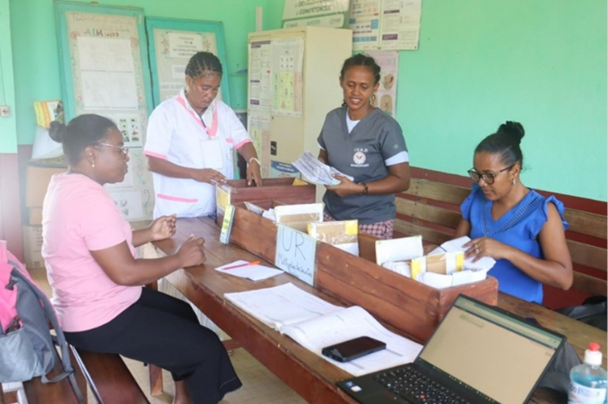
Nurse Mary used to spend four hours every weekend hunched over stacks of paper, manually correcting data errors before her Monday morning reports were due. As a senior SRHR provider at Chainda Urban Clinic in Lusaka, the high volume of clients meant that even small daily documentation errors could accumulate into major discrepancies by month’s end.  “I felt like I was working for the data, instead of the data working for me,” Mary recalls. “We were so busy serving women that the paperwork became a crisis we dealt with only when it was time to report.” — Nurse Mary, Chainda MCH Across WISH 2 countries, one lesson has become increasingly clear: quality SRHR services depend on quality data. However, the pathways to improving data accuracy differ significantly depending on context. In Zambia, Ethiopia, and Madagascar, WISH 2 supported three distinct yet complementary approaches, each tailored to local realities, demonstrating how data systems can be strengthened from the clinic level to national structures. Zambia: Provider-Led Micro-Innovation at Facility Level At Chainda Urban Clinic, the challenge was not a lack of commitment, but the pressure of service volume. Documentation was often postponed until month-end, errors accumulated, and data became a source of stress rather than a tool for care. With WISH 2 acting as an enabler rather than an enforcer, Nurse Mary introduced a simple innovation: a Daily Summary Ledger, a hard-cover notebook used to reconcile service data at the end of each shift. This shifted data verification from a 30-day crisis into a 15-minute daily routine. Errors were identified and corrected immediately, creating a real-time feedback loop between service delivery and reporting. The results were immediate and measurable. The clinic achieved a 100% match between facility registers and DHIS2, reducing data error rates from 15% in Q2 to 0% in Q3. Improved data accuracy strengthened supply chain forecasting, preventing contraceptive stock-outs and ensuring women received their preferred method. With no additional cost, the clinic freed 48 hours of health-worker time per month, which was reinvested directly into patient care. Ethiopia: Rebuilding Systems in Fragile and Post-Conflict Settings In contrast, the Afar Region of Ethiopia presented a fragile, post-conflict context where data challenges were systemic rather than procedural. Weak institutional foundations, inconsistent use of tally sheets, limited application of data quality assurance tools, skills gaps, and minimal data use for decision-making undermined service planning, particularly in pastoralist and conflict-affected communities. Under WISH 2, FGAE and government partners implemented a comprehensive system-strengthening approach anchored in national and sub-national structures. This included training 29 data management providers across 14 facilities, institutionalising monthly Lot Quality Assurance Sampling (LQAS), establishing performance monitoring teams, and providing standardised HMIS and DHIS2 tools. Crucially, responsibility for data management was formally transferred to woreda and city Health Information Technicians, reinforcing government ownership and sustainability. Technical oversight and verification were jointly conducted by sub-national health offices, FGAE Area Offices, FGAE Headquarters, IPPF, and third-party evaluators, OPM, supported by quarterly data verification, monthly reviews, and structured feedback loops. As a result, data completeness, accuracy, and timeliness improved significantly, and facilities increasingly used data to inform service planning and resource allocation. As noted by regional stakeholders:  “Supported health facilities have shown marked improvements in their data management systems, evidenced by more complete, accurate, and timely reporting, as observed during joint supportive supervision and routine data verification sessions with regional and sub-national health authorities.” — Afar Regional Health Bureau HMIS Focal Person and SRHR Expert Madagascar: Sustaining Change Through Government-Led Supervision Unlike Zambia’s provider-led micro-innovation or Ethiopia’s post-conflict system rebuilding, Madagascar’s challenge lay in routine supervision and consistent government follow-through. Early assessments revealed that over 40% of facilities had discrepancies between registers and Monthly Activity Reports. Rather than relying on one-off training, WISH 2 embedded data quality improvement within routine supportive supervision, led by Ministry of Health District and Regional teams. Supervision visits systematically compared reports against source documents, combined with on-the-job coaching and planned data cleaning. This hands-on, government-led approach reduced discrepancies, improved reporting timeliness, and strengthened provider confidence. As observed by the Ministry of Health:  “During the Routine Data Quality Assessment supervision conducted with the WISH 2 team, we observed significant improvement in data use among health workers who received training on data analysis and utilisation. They adopted new ways of working, which contributed to better performance. Extending this capacity building to all health personnel would further strengthen the system.” — Mr. Mamy Randrianasolo, Directorate of Family Health Data Manager, Ministry of Health Service providers reported higher motivation, driven by constructive feedback and a clearer understanding of how accurate data supports programme performance and service improvement. Data quality shifted from a compliance requirement to a shared responsibility, reinforced by visible use of data for decision-making. Together, these experiences demonstrate that there is no single solution to improving SRHR data quality. Zambia highlights the power of simple, provider-driven innovation; Ethiopia underscores the importance of institutional rebuilding in fragile environments; and Madagascar shows how routine, government-led supervision sustains improvement over time. What unites these approaches is WISH 2’s commitment to adaptive, context-responsive system strengthening, ensuring that accurate data ultimately serves its most important purpose: better SRHR care for women and girls. Key Learning: Data quality improves when solutions are context-specific, embedded in routine systems, and owned by those closest to service delivery. Provider-led micro-innovations can rapidly improve accuracy at facility level; system rebuilding is essential in fragile settings; and government-led supervision sustains improvements at scale. Across all contexts, WISH 2’s adaptive approach—meeting systems where they are, strengthening ownership, and integrating data use into daily practice—proved critical to lasting change.  

d
24 February 2026

From Headlines to Lifelines: How Journalists in Madagascar Are Advancing SRHR

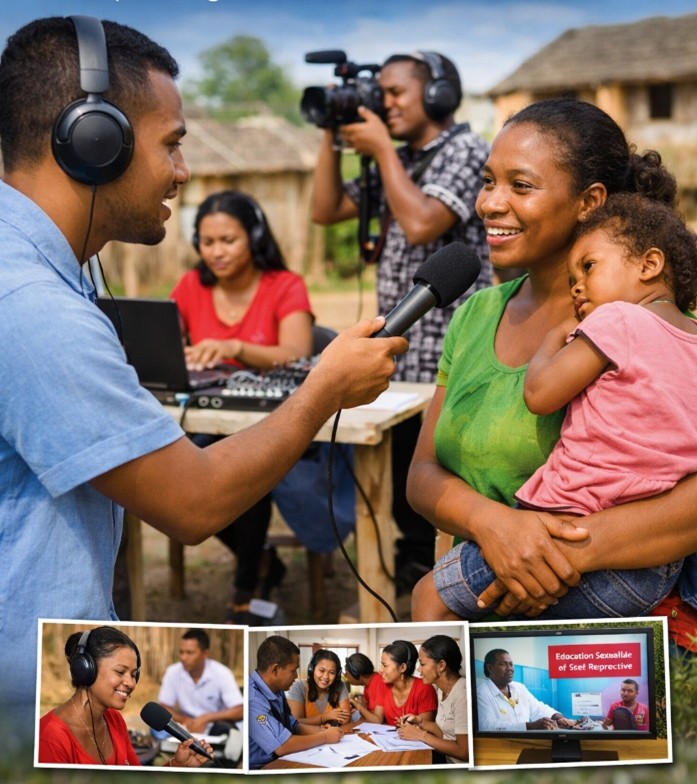
In Madagascar, where an estimated ten women die every day from pregnancy-related causes, access to accurate information can mean the difference between risk and safety. Although the country’s 2018 Family Planning Law provides a strong legal framework to support sexual and reproductive health and rights (SRHR), many communities remain unaware of the services and protections available to them. Recognizing the power of media to influence public understanding, the WISH 2 programme partnered with the Johns Hopkins University Center for Communication Programs (JHU-CCP) and NGO ILONTSERA to equip journalists with the knowledge and tools needed to shape informed conversations. In October 2025, 17 journalists gathered in Antsirabe for a three-day capacity-building workshop. Coming from radio, television, print, and digital outlets, they explored SRHR fundamentals, social and behavioural change approaches, and practical reporting techniques grounded in ethics and rights-based communication. For many participants, it was the first time they had engaged deeply with the Family Planning Law. “Before this training, I reported on health stories without fully understanding the policy behind them,” shared one participating radio journalist. “Now I feel responsible for helping my audience understand their rights.” Learning did not stop when the workshop ended. Over the next two months, participants received individualized mentoring from four specialized coaches who supported them through story development, editorial refinement, and technical guidance. This continued support helped journalists translate theory into impactful storytelling. The results were immediate. Between November 2025 and January 2026, journalists produced 113 media pieces, ranging from radio talk shows and investigative articles to television features and online campaigns. Coverage addressed family planning, sexuality education, HIV prevention, gender-based violence, and broader SRHR themes, reaching audiences in Antananarivo, Toliara, Toamasina, and beyond. For one television reporter, the experience reshaped her perspective on journalism itself. “I used to think advocacy belonged to NGOs,” she explained. “Now I see that responsible journalism can help change harmful norms and save lives.” The initiative was not without challenges. Some participants initially struggled with technical terminology and complex legal language. Facilitators responded by simplifying concepts and encouraging peer learning. Maintaining quality across a high volume of media outputs also required close mentoring and regular feedback sessions. Through these adaptive approaches, journalists strengthened their confidence and began to see themselves as agents of change within their newsrooms. Today, many of the trained journalists continue to champion gender-sensitive and rights-based reporting, helping bridge the gap between national policy and community understanding. Their stories are not only informing audiences but also creating space for dialogue around topics that were previously considered sensitive or misunderstood. “When people hear SRHR discussed respectfully on the radio, they realize these issues are part of everyday life,” said another participant. “It gives them permission to ask questions.” The Madagascar experience demonstrates how investing in local media can amplify advocacy efforts and foster lasting social change. By combining training with personalized mentoring, WISH 2 has created a model that can be replicated in other regions and fragile contexts. Future plans include expanding the approach to new areas, integrating themes such as mental health and positive masculinity, and building a media library to sustain learning. The message is clear: when journalists are empowered with knowledge and support, their voices become lifelines, connecting policy, community, and possibility.  

r
17 November 2025

The Women’s Integrated Sexual Health (WISH) 2

Strengthening the enabling environment for SRHR and reinforcing health systems to deliver sustainable, inclusive access to integrated SRHR services with a special focus on humanitarian and fragile settings. The Women’s Integrated Sexual Health (WISH) project, championed by a ‘Leave No One Behind’ approach, advances quality, integrated, and inclusive family planning and sexual and reproductive health (SRHR) services tailored to the needs of marginalized and hard-to-reach populations. In Eastern Africa, WISH2 builds on proven strategies and successes to extend access for populations often overlooked, young people, persons with disabilities, those living in poverty, and communities affected by conflict or displacement. Donor: Foreign, Commonwealth and Development Office (FCDO) Budget: Total budget of £ 75 million for East and Southern Africa Duration: 2024 to 2029 Funded by the UK Foreign, Commonwealth & Development Office (FCDO) and representing a significant commitment within the UK Government’s family planning framework, the WISH2 Eastern Africa initiative is led by the International Planned Parenthood Federation (IPPF) and executed by a dedicated consortium with partners including the International Rescue Committee (IRC), IPAS, Options Consultancy Services, and the Johns Hopkins Center for Communication Programs (JHU-CCP). Background on WISH 1 to WISH 2 Evolutions The Women's Integrated Sexual Health project was launched in 2018 as FCDO’s flagship initiative to expand access to voluntary family planning and sexual and reproductive health and rights services across 27 countries in Africa and Asia. The project was delivered in two parts, with Lot 2 (WISH2ACTION) implemented by a consortium led by IPPF, alongside MSI, Options, Humanity & Inclusion (HI), and IRC. WISH2ACTION aimed to deliver 16.921 million couple years of protection (CYPs) and reach 2.2 million additional users through a comprehensive approach to ensure equitable access to family planning and SRHR, prioritising youth under 20, the very poor, and marginalised populations including persons with disabilities and those in humanitarian or hard-to-reach settings. Its design integrated four core outputs: community and individual choice (Output 1), sustainability through national ownership (Output 2), access to quality services (Output 3), and global goods and evidence (Output 4). The success and learning from WISH2ACTION laid the foundation for WISH 2, which deepens focus on national systems strengthening, disability inclusion, safeguarding, and resilience in fragile contexts, ensuring SRHR remains a global priority while reaching those most at risk of being left behind. WISH 2 builds on successes and learning from WISH 1, while shifting toward greater national ownership, systems resilience, and sustainability. With a sharper focus on fragile and conflict-affected contexts, WISH 2 moves beyond service delivery to embedding SRHR within national policy frameworks, strengthening accountability, and enhancing inclusion through the systematic integration of disability rights, safeguarding, and climate-sensitive approaches. It places greater emphasis on evidence generation, adaptive learning, and localised solutions, ensuring that services are not only available but also accessible, equitable, and responsive to community needs. WISH 2 represents a strategic evolution, aligning with global priorities to “leave no one behind” while reinforcing SRHR as a critical component of universal health coverage and sustainable development. 2. Where We Work Geographic Footprint WISH 2 Eastern and Southern Africa works across seven countries including, Burundi Ethiopia Madagascar Somalia South Sudan Sudan Zambia Each country’s approach is adapted to local priorities and contexts, ensuring that interventions are both efficient and community responsive. 3. Leaving No One Behind WISH 2 Eastern and Southern Africa is committed to ensuring that every individual, especially those frequently marginalized, is empowered to access life-changing SRHR services. Our integrated approach prioritizes: Women Women, particularly those from economically disadvantaged backgrounds or living in patriarchal community, continue to face systemic barriers to SRHR services. WISH2 prioritizes their needs through respectful, client-centred care that is non-judgmental, confidential, and accessible. Services are tailored to uphold women's autonomy, support informed decision-making, and respond to gender-based disparities, including the risk of sexual and gender-based violence (SGBV). Meeting the Needs of Youth Under 20 In Eastern and Southern Africa, millions of youths, especially adolescents, encounter significant challenges in accessing accurate information and quality SRHR care. WISH2 provides youth-friendly, confidential, and age-appropriate services and education, ensuring young people are empowered to make informed decisions about their bodies, relationships, and futures. The project works closely with schools, youth-led organizations, and communities to create safe spaces for dialogue and service delivery. Reaching People Living with Disabilities People with disabilities face intersecting layers of exclusion in accessing health care, including physical, attitudinal, and informational barriers. WISH2 collaborates with Organizations of Persons with Disabilities (OPDs) to co-design inclusive interventions. This includes training service providers on disability rights and stigma reduction, adapting communication materials, and ensuring health facilities are physically and socially accessible. Serving to Reach the Last Mile In rural, remote, and impoverished communities, access to SRHR services remains limited. WISH2 uses poverty mapping, mobile outreach, and community-based service models to reach populations often overlooked by mainstream health systems. By partnering with local actors, such as community health workers, faith leaders, and women's groups, the project ensures culturally sensitive and sustainable service delivery in the hardest-to-reach areas. Health System Resilience During Crises Fragile and conflict-affected settings such as Ethiopia, Somalia, Sudan and South Sudan require adaptable and responsive health strategies. WISH2 brings services closer to displaced and crisis-affected populations through mobile clinics, referral linkages, and community-based distribution models. These approaches ensure continuity of care, particularly for women and girls who are most at risk during humanitarian emergencies. This focus on equity ensures that even the most vulnerable groups benefit from and contribute to their communities’ overall health and well-being. 4. Our Approach The WISH 2 project adopts Cluster Model 2.0 as a strategic approach to enhance coordination, collaboration, and efficiency among implementing partners across project countries. This updated model builds lessons from earlier phases by fostering cross-country learning and technical exchange within defined clusters, each comprising countries with similar contextual realities, such as humanitarian settings, fragile contexts, or policy environments. Cluster Model 2.0 places greater emphasis on peer-to-peer support, decentralised learning, and adaptive programming, ensuring that innovations and evidence-based practices are shared and applied in real time. It also strengthens joint planning, monitoring, and reporting mechanisms, promoting a unified and responsive delivery of SRHR services tailored to each context while maintaining alignment with the overall project strategy. Strategic Focus through Four Interlinked Outputs WISH 2 Eastern and Southern Africa is anchored on a multi-pronged approach, organized around four strategic outputs: Output 1: Social Behaviour Change (SBC) and Social Norms                                              Led by JHU-CCP Focuses on increasing awareness, demand, and acceptance of modern contraceptive use through evidence-based communication and community engagement. Promotes positive SRHR attitudes and behaviours. Addresses gender and social barriers, myths, and misconceptions. Engages men, youth, religious, and community leaders to drive social norm change. Address harmful gender norms and stigma while promoting shared decision-making in family planning. Output 2: Access to Inclusive and Integrated SRHR Services                                  Led by IPPF, with contributions from IRC Ensures that women, girls, and marginalized populations can access quality, affordable SRHR services. Strengthens service delivery, especially in fragile and humanitarian contexts. Maintain robust monitoring systems to track service delivery quality and client outcomes. Promotes disability inclusion and youth-friendly services. Integrates FP/SRHR with other health services (SGBV response). Enhance service delivery through capacity building, client-centred practices, and mobile outreach tailored to youth, people with disabilities, and conflict-affected communities. Output 3: Policy and Systems Environment Strengthening Policy, Advocacy, and Systems Led by IPAS & Options Consultancy Services Strengthens national and subnational policies, systems, and partnerships that support SRHR. Advocates for inclusive, rights-based SRHR policies. Builds government and civil society capacity. Fosters sustainability through domestic financing and coordination. Offer technical support for policy development, budget advocacy, and strategic planning. Build capacities of national health systems and local governments to ensure long-term sustainability. Output 4: Evidence and Learning Focuses Evidence-Driven Learning and Knowledge Sharing Led by Oxford Policy Management (OPM) Enhances the evidence generation, use, and dissemination to inform programme adaptation and SRHR advocacy. Utilise data to inform continuous project improvement and monitor key performance indicators. Use operational research to influence policy and programme design. Promote adaptive learning, knowledge management and facilitate cross-learning exchanges. Generate knowledge products and global goods 5. Partners The success of WISH 2 Eastern and Southern Africa rests on a robust partnership model that combines technical expertise in clinical service delivery, health systems strengthening, policy advocacy, and strategic communications. Consortium Members: IPPF (Lead): Oversees project strategy, quality assurance, and inclusive service delivery. International Rescue Committee (IRC): Implements conflict-responsive programming and community-based outreach. IPAS: Provides comprehensive safe abortion care and post-abortion services where legally permissible. Options Consultancy Services: Drives policy reform, systems strengthening, and governance enhancement to support sustainable SRHR outcomes. Johns Hopkins Center for Communication Programs (JHU-CCP): Leads on social and behaviour change initiatives that reshape social norms and empower communities. Together, these partners harness their individual and collective strengths to ensure the project’s impact is broad, sustainable, and transformative. 6. WISH 2 Targets and Results The project’s impact is measured using key performance indicators (KPIs), including: Couple Years of Protection (CYPs): Estimates the duration of protection provided by various contraceptive methods. Youth Reach: Tracks the number of young people accessing SRHR information and services. Sustainability: Assesses the extent to which interventions, systems, and partnerships are maintained beyond project implementation. Regular updates and dynamic dashboards capture these metrics, ensuring transparency and accountability to stakeholders and clients alike.  
Madagascar
04 November 2025

From Coalition to Catalyst: COMARESS and the Rise of SRHR Accountability in Madagascar

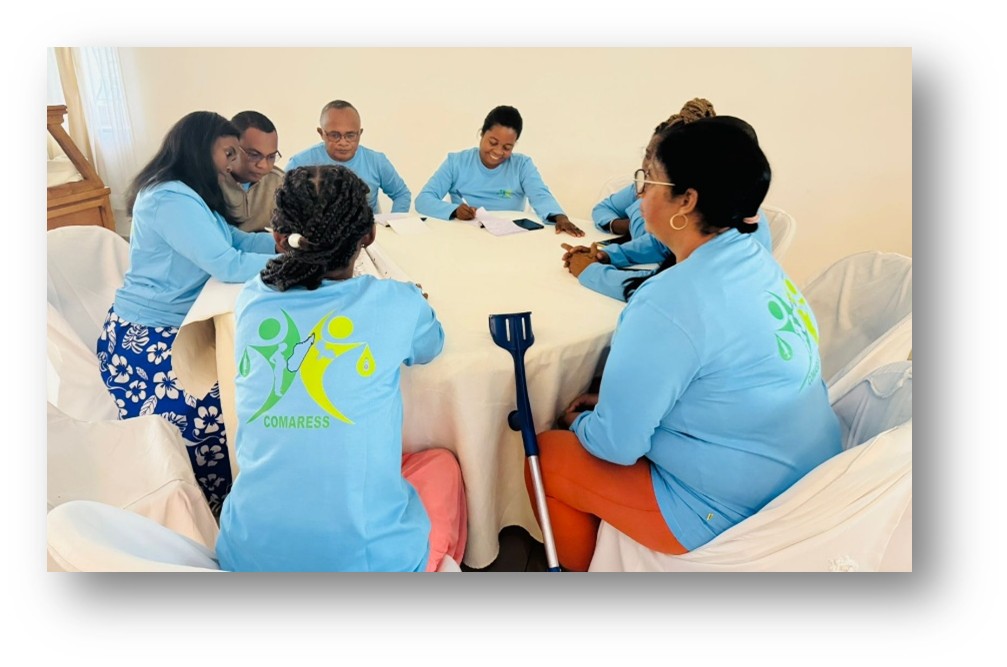
A Movement Rooted in Resilience Within the dynamic and layered social context of Madagascar, a quiet revolution was taking root. La Coalition des Mouvements et Associations des Réseaux des Secteurs Sociaux, COMARESS had existed since 2015, formed as a unifying platform for diverse civil society actors. By the time Options met the coalition in 2019, COMARESS already had deep roots at the grassroots level. What it lacked, however, was the structure, technical grounding, and strategic direction to fully channel its power into shaping national SRHR policies. Recognising its latent potential, Options began supporting COMARESS under the WISH project, not merely as a partner, but as a catalyst for transformation. What began as technical support soon evolved into a deep, strategic investment. The coalition was guided through capacity assessments and inclusion audits, carried out in close partnership with its elected Board of Directors, leaders who represented hundreds of civil society organisations across Madagascar, from national platforms to remote regional groups. The assessments revealed both promise and challenge. COMARESS had the commitment and the reach but needed sharper tools. Options responded by offering targeted training in evidence-based advocacy, national budget processes, and inclusive planning. In collaboration with organisations like Ipas and the JHU, the training also expanded to include modules on safe abortion advocacy and social behaviour change. For the coalition, it was a turning point. “We had the commitment, but not the tools,” reflected COMARESS President Liva Razafindrakoto. “Now, we know how to analyse a health budget, build our advocacy case, and push for real change.” Under WISH 2, COMARESS had matured into a high-performing coalition, well-organised and technically sound. It was now managing funding streams and influencing national policy dialogue, firmly embedded in the country’s SRHR ecosystem. When WISH2Action concluded, COMARESS did not falter. Instead, it continued its advocacy work independently in 2025, a testament to its institutional sustainability. Still, the coalition saw unfinished business. The national-level gains had yet to fully trickle down. Regional disparities persisted, and COMARESS recognised that true accountability required representation from all corners of Madagascar. In response, 2025 marked a year of expansion. In Toliara province, 14 local associations, including eight women-led and one led by persons with disabilities were mobilised and trained in SRHR advocacy. In Toamasina, a further 14 groups joined the movement, including seven led by women and three led by women with disabilities. These new partners were not just included, they were empowered. Post-training surveys showed a marked increase in participants’ ability to use data for advocacy, understand public budgets, and engage government structures. “This training gave us the power to not just raise our voices, but to do so with evidence,” said a participant from Toamasina. Yet, even as the movement grew stronger, external threats loomed. Madagascar’s SRHR funding landscape was becoming more fragile. Major donors were phasing out, and reductions in official development assistance left coalitions like COMARESS vulnerable. But the coalition refused to stand still. With Options’ continued technical guidance, COMARESS is now pursuing alternative pathways, mapping private foundations, seeking philanthropic partnerships, and exploring blended resource mobilisation to maintain its independence and momentum. What makes the COMARESS story extraordinary is not just what it achieved, but how. Its model, rooted in data, dialogue, and dignity, is now being recognised at the highest levels, including by the Minister of Health. The foundation is laid. What lies ahead is not only sustainability, but scale. COMARESS has grown from a coalition to a national force, ready not only to sustain SRHR accountability in Madagascar, but to lead it.  

madagascar mobile clinic
04 November 2025

Bringing Care to the Last Mile

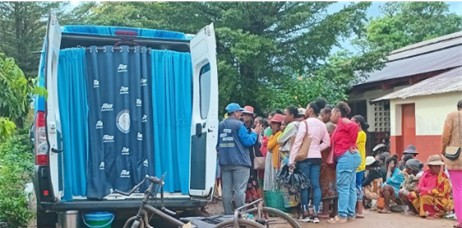
In the remote and underserved regions of Madagascar, access to family planning services remains a persistent challenge often viewed as an unattainable luxury for many rural families. Geographic isolation, fragile infrastructure, and limited health services create deep barriers, especially for women and adolescent girls from economically disadvantaged backgrounds. The average distance between villages and the nearest health facility is approximately 8 km, requiring up to two hours of walking. The contraceptive prevalence rate in rural areas stands at just 34.2%, underscoring the urgent need to improve service coverage. To address persistent inequalities in access to reproductive health, the Ministry of Public Health, with support from the WISH 2 project implemented by FISA Madagascar, launched mobile family planning services targeting fragile and cyclone-prone regions. Two mobile clinics were deployed in early 2025 to deliver outreach campaigns across remote northern, western, and Farafangana districts.   Working closely with local authorities, community health workers, and Fokontany chiefs, the initiative mobilised communities through radio, megaphones, and door-to-door sensitisation. Once mobilised, the mobile clinics provided a comprehensive package of services, including contraceptives, ultrasounds, counselling, and reproductive health education. The campaign in Farafangana stood out for its high uptake of services, particularly obstetric ultrasound, accessed by 40% of clients. These outreach efforts brought essential reproductive health services directly to the doorsteps of communities previously unreached by formal healthcare systems. In Farafangana alone, 458 women and adolescent girls accessed FP services during the campaign, 18% of them under 20, and 50% under 24. Many were first-time users of contraception and expressed both satisfaction and a desire for continued support. As 17-year-old Soafara, a mother of one, shared: “I use family planning because I don't want to have an accident like I did the first time. I had no one to talk to back then, no one to guide me. Now I know what my choices are. I feel safer and more confident about my future.” The mobile clinics did more than deliver services they empowered women and girls with the knowledge and tools to make informed choices about their health and futures. Continuity of care remains a challenge, especially for adolescents and first-time users. To mitigate this, WISH2 reinforced collaboration with local CSBs and coordinated regular mobile clinic schedules with district health teams. The strong partnership with decentralized health structures, including community health workers, has been key to translating national priorities into local impact. With ongoing efforts to enhance coordination and partnerships, this model offers clear potential for scale-up, with expansion plans already underway through the Ministry of Health and the WISH2 national steering committee. By bridging distances and bringing services closer to those most in need, WISH 2 and its partners are not just delivering healthcare, they are building an inclusive, equitable, and resilient health system, one community at a time.

WCD 2025 Message
26 September 2025

World Contraception Day 2025 Message

  From the WISH 2 Team Lead Today, on World Contraception Day, we reaffirm our collective commitment to ensuring that contraception is recognized and realized as a right, a responsibility, and a reality for all. Since its launch in 2007, World Contraception Day has been commemorated every year on 26 September, making 2025 the 19th annual global observance of this important campaign to raise awareness and advance SRHR.  The day reminds us of the power of choice and the transformative impact of SRHR on individuals, families, and communities. Access to safe, voluntary, and high-quality contraception is not only a health imperative, but also a pathway to dignity, equity, and opportunity. Under the WISH 1 (WISH2Action) project, 3.6 million additional family planning users were reached, an estimated 22 million maternal deaths, 4.3 million unsafe abortions, 13.2 million unintended pregnancies, and 19.2 million disability-adjusted life years were averted, a powerful demonstration of the lifesaving impact of sustained investment in SRHR. Building on this momentum, WISH 2 East and Southern Africa, set targets to reach 4.2 million family planning users, with the intention of preventing 3.2 million unintended pregnancies, 1 million unsafe abortions, and 5,600 maternal deaths across seven countries in Eastern and Southern Africa. Since the start of the project, WISH 2 has reached 169,590 annualised clients as at the end of June 2025. Through this project, we remain committed to expanding access to sexual and reproductive health services across Eastern and Southern Africa, with a particular focus on fragile and humanitarian settings where women, adolescents, and marginalised groups face the greatest barriers. By strengthening service delivery, advancing social and behaviour change, advocating for enabling policies, and generating evidence for learning, WISH 2 is ensuring that no one is left behind in the pursuit of sexual and reproductive health and rights. Central to this effort is strong partnership with governments, whose leadership and stewardship are essential for sustaining progress. WISH 2 works hand in hand with national and local authorities to complement their strategies and contribute to country-led priorities for universal access to contraception and broader SRHR. Yet, these gains are under threat. Global funding for SRHR is declining, undermining women’s rights, equity, and agency, and putting millions at risk of preventable harm. As we mark this 19th World Contraception Day, we call on governments, donors, and partners to renew their commitment to SRHR. Together, we can ensure that contraception remains accessible, affordable, and inclusive, empowering every individual to make informed choices about their bodies and futures. On this day, we celebrate the dedication of our partners, country teams including Member Associations, stakeholders who support the cause and frontline providers who work tirelessly to make contraceptive services more inclusive, resilient, and rights based. Together, we are creating a future where every individual, regardless of circumstance, can make informed choices about their reproductive health. Let us continue to learn, innovate, and act so that contraception is recognized not only as a method of family planning, but as a fundamental right for all. Contraception is not just health care, it is a right, a responsibility, and a reality we must protect and advance. Happy World Contraception Day!    

wish_mozambique_84981_amodefa_mozambique_amodefa_mozambique
24 September 2024

Major New Health Programme to Expand Sexual and Reproductive Health Services in East and Southern Africa

Nairobi, 23 September 2024 – A groundbreaking £75.125 million project has been announced by the International Planned Parenthood Federation (IPPF) and its partners, the International Rescue Committee (IRC), Options, Ipas, and Johns Hopkins University Centre for Communication Programmes, to transform sexual and reproductive health services across East and Southern Africa. This large-scale initiative will benefit seven countries, supporting millions of women, girls, and vulnerable communities in Burundi, Ethiopia, Madagascar, Somalia, South Sudan, Sudan, and Zambia. This programme, known as Women’s Integrated Sexual Health 2 (WISH 2) Lot 2, is funded by the UK Foreign, Commonwealth and Development Office (FCDO). As part of FCDO WISH Dividend, it builds on the successes of FCDO’s £272 million Women’s Integrated Sexual Health (2018-2024) programme, which spanned 27 countries across Africa and Asia. Over its lifespan, the first WISH programme supported over an estimated 16.9 million women and girls, helping them gain access to critical SRHR services. FCDO’s continued partnership with IPPF for this next phase of WISH was unveiled by FCDO's Chris Carter, on behalf of the UK Minister for Africa, Lord Collins, during the United Nations General Assembly (UNGA) side event, “SRHR: Securing reproductive choice for the next generation.” Announcing FCDO’s partnerships with IPPF, MSI Reproductive Choices and the Children's Investment Fund Foundation, Chris Carter noted the new programme will play a critical role in increasing women's voice, choice and control across 13 countries in Africa.” With the goal of delivering over seven million ‘couple years protection,’ the programme will address critical healthcare gaps, promote reproductive choice, and tackle harmful social norms. It will also provide urgent support to improve policies, strengthen health systems, and safeguard the reproductive rights of women and girls, especially in areas affected by conflict and displacement. At the heart of this initiative is a focus on reaching the most marginalised groups, including young women and girls under 20, those living in poverty, people with disabilities, and communities in conflict zones. Importantly, WISH2 will also work to improve access to safe abortion care and counteract the growing threats to women’s and girls' sexual and reproductive health rights. IPPF Director General Dr Alvaro Bermejo emphasised the critical need to protect and expand access to SRHR. “WISH2 will continue our mission of empowering women and girls across Africa to unlock their full potential. We will not only tackle the rollback of SRHR rights but also strengthen disability inclusion while delivering sustainable healthcare solutions,” said Dr Bermejo. “We’re grateful to the UK Government for their unwavering support in this important work.” Elshafie Mohamed Ali, Executive Director of Sudan Family Planning Association (SFPA) said “WISH2 is essential given Sudan’s current circumstances, particularly the ongoing conflict since April 15, 2023. The programme addresses the growing need for sexual and reproductive health services, offering crucial support to vulnerable communities amidst increasing instability and humanitarian challenges.” Chris Carter, Deputy Director, Head of Human Development Department, highlighted the impact of this new initiative: “Access to sexual and reproductive health services saves lives, empowers women and girls, and supports education, transforming lives and entire livelihoods. This project will amplify women’s voice, choice, and control across Africa, and we are proud to partner with IPPF and African organizations in this critical mission.” For media enquiries, please contact [email protected]  

FISA
03 December 2021

Delivering Disability-Inclusive Healthcare in Madagascar

3 December 2021, International Day of Persons with Disabilities. Understanding the challenges that people living with a disability face when accessing sexual and reproductive healthcare (SRH), and ensuring their rights are upheld, sits at the heart of Fianakaviana Sambatras’ (FISA) mission to reach vulnerable groups. Often on the fringes of Madagascan society, and classified as a vulnerable group, people living with a disability are one of FISA’s priority client groups. Through expansion of their delivery networks, FISA provides safe, confidential, and accessible integrated SRH to people living with a disability.  Barriers to inclusive healthcare  Often, FISA’s clients have a lack of awareness about their sexual and reproductive rights where to go for their healthcare - for example, limited access to information through disability-friendly locations and leaflets and posters creates a barrier to vital information unless adapted for visually impaired and blind people. Other challenges include communication for deaf clients, who in some cases may not be accompanied by a companion to assist them. In some instances, FISA learned that women living with a disability were forced by their families to have an abortion or undergo tubal sterilization during a caesarean delivery without their consent, further reinforcing stigma and stereotypical attitudes towards disability.    Understanding the needs of the client FISA’s experience with providing care to people living with a disability has led to a greater understanding of their clients’ needs. Provision of improved integrated healthcare delivery includes allowing for longer appointment times to give the correct level of support, which is especially important for counselling and consultations.  FISA offers free consultations to people living with a disability and prioritizes young people ensuring they can access youth-friendly care. The team also run sessions using sign language to raise awareness on sexual and reproductive health and rights and to provide information about the different contraceptive methods available, such as the IUD and pill. FISA encourages people living with a disability to participate in events such as International Women’s Day to help make their voices heard, to advocate for their rights, and to collaborate on the development of a comprehensive sexuality education guide through a series of workshops. Designing and delivering disability-inclusive healthcare FISA has adapted its healthcare delivery to be disability-inclusive and to raise awareness of, and advocate for, the sexual and reproductive rights of people living with a disability. Critical to providing healthcare is safeguarding access to comprehensive sexuality education for young people living with disabilities that are specific to their needs. Providing information resources in Braille, using diverse pictures, and training healthcare workers to be able to communicate using sign language makes FISA a go-to place for healthcare for people living with a disability. Clients are made to feel welcome and safe with FISA’s qualified healthcare team and accessible facilities.  “Our Member Association in Madagascar plays a leading role in ensuring that persons with disabilities have access to high-quality and integrated sexual and reproductive healthcare. Their work is a good example of our mission to provide care to the most vulnerable, underserved, and often marginalized members of our communities. Integrated disability-inclusive healthcare delivery strategies that are adapted to our beneficiaries’ needs remain a priority in our work on the African continent”, says Marie-Evelyne-Petrus-Barry, IPPF Africa Regional Director. FISA enables its clients, and especially young people and women, living with a disability to feel empowered to make their own decisions concerning their bodies, wellbeing, and SRH. For more updates on our work, follow IPPF Africa Region on Facebook, Twitter, Instagram and You Tube.

Fianakaviana Sambatra - Madagascar Association

Relative to much of Africa, Madagascar has high levels of contraceptive use, but high birth rates coupled with endemic poverty and limited government-led sexual and reproductive health (SRH) provision mean that child mortality and maternal death figures are high.

Fianakaviana Sambatra (FISA) has been fighting since 1967 to improve the nation’s SRH through advocacy, education and direct service provision. Currently, it runs 67 service points, including: 11 permanent clinics, 3 mobile units and 12 community-based services (CBSs), across 6 of the country’s regions. FISA works with 5 associated clinics and 29 private practitioners. FISA has 70 full-time staff, 184 peer educators, and a youth action movement made up of 42 members.

FISA delivers a wide range of services: family planning, prevention and management of HIV and AIDS and the provision and dissemination of comprehensive SRH materials.

FISA has used its on-the-ground experience to advise government on national SRH policy. It has partnered with the Ministry of Health, Family Planning and Social Protection, and the Ministry of Youth to advocate for a concerted approach to resolving the critical SRH issues currently facing the country.

At the same time, it works with non-governmental organizations (NGOs) such as Marie Stopes International, and the ASSONG coalition of NGOs.

FISA receives financial support from UNFPA, the Big Lottery Fund, Amélioration de la Qualité De Services, the EU and IPPF’s Japan Trust Fund. It’s also closely connected to other organizations promoting SRH rights across the country and the region. 

d
24 February 2026

From Notebooks to National Systems: How WISH 2 Is Transforming SRHR Data Quality Across Contexts

Nurse Mary used to spend four hours every weekend hunched over stacks of paper, manually correcting data errors before her Monday morning reports were due. As a senior SRHR provider at Chainda Urban Clinic in Lusaka, the high volume of clients meant that even small daily documentation errors could accumulate into major discrepancies by month’s end.  “I felt like I was working for the data, instead of the data working for me,” Mary recalls. “We were so busy serving women that the paperwork became a crisis we dealt with only when it was time to report.” — Nurse Mary, Chainda MCH Across WISH 2 countries, one lesson has become increasingly clear: quality SRHR services depend on quality data. However, the pathways to improving data accuracy differ significantly depending on context. In Zambia, Ethiopia, and Madagascar, WISH 2 supported three distinct yet complementary approaches, each tailored to local realities, demonstrating how data systems can be strengthened from the clinic level to national structures. Zambia: Provider-Led Micro-Innovation at Facility Level At Chainda Urban Clinic, the challenge was not a lack of commitment, but the pressure of service volume. Documentation was often postponed until month-end, errors accumulated, and data became a source of stress rather than a tool for care. With WISH 2 acting as an enabler rather than an enforcer, Nurse Mary introduced a simple innovation: a Daily Summary Ledger, a hard-cover notebook used to reconcile service data at the end of each shift. This shifted data verification from a 30-day crisis into a 15-minute daily routine. Errors were identified and corrected immediately, creating a real-time feedback loop between service delivery and reporting. The results were immediate and measurable. The clinic achieved a 100% match between facility registers and DHIS2, reducing data error rates from 15% in Q2 to 0% in Q3. Improved data accuracy strengthened supply chain forecasting, preventing contraceptive stock-outs and ensuring women received their preferred method. With no additional cost, the clinic freed 48 hours of health-worker time per month, which was reinvested directly into patient care. Ethiopia: Rebuilding Systems in Fragile and Post-Conflict Settings In contrast, the Afar Region of Ethiopia presented a fragile, post-conflict context where data challenges were systemic rather than procedural. Weak institutional foundations, inconsistent use of tally sheets, limited application of data quality assurance tools, skills gaps, and minimal data use for decision-making undermined service planning, particularly in pastoralist and conflict-affected communities. Under WISH 2, FGAE and government partners implemented a comprehensive system-strengthening approach anchored in national and sub-national structures. This included training 29 data management providers across 14 facilities, institutionalising monthly Lot Quality Assurance Sampling (LQAS), establishing performance monitoring teams, and providing standardised HMIS and DHIS2 tools. Crucially, responsibility for data management was formally transferred to woreda and city Health Information Technicians, reinforcing government ownership and sustainability. Technical oversight and verification were jointly conducted by sub-national health offices, FGAE Area Offices, FGAE Headquarters, IPPF, and third-party evaluators, OPM, supported by quarterly data verification, monthly reviews, and structured feedback loops. As a result, data completeness, accuracy, and timeliness improved significantly, and facilities increasingly used data to inform service planning and resource allocation. As noted by regional stakeholders:  “Supported health facilities have shown marked improvements in their data management systems, evidenced by more complete, accurate, and timely reporting, as observed during joint supportive supervision and routine data verification sessions with regional and sub-national health authorities.” — Afar Regional Health Bureau HMIS Focal Person and SRHR Expert Madagascar: Sustaining Change Through Government-Led Supervision Unlike Zambia’s provider-led micro-innovation or Ethiopia’s post-conflict system rebuilding, Madagascar’s challenge lay in routine supervision and consistent government follow-through. Early assessments revealed that over 40% of facilities had discrepancies between registers and Monthly Activity Reports. Rather than relying on one-off training, WISH 2 embedded data quality improvement within routine supportive supervision, led by Ministry of Health District and Regional teams. Supervision visits systematically compared reports against source documents, combined with on-the-job coaching and planned data cleaning. This hands-on, government-led approach reduced discrepancies, improved reporting timeliness, and strengthened provider confidence. As observed by the Ministry of Health:  “During the Routine Data Quality Assessment supervision conducted with the WISH 2 team, we observed significant improvement in data use among health workers who received training on data analysis and utilisation. They adopted new ways of working, which contributed to better performance. Extending this capacity building to all health personnel would further strengthen the system.” — Mr. Mamy Randrianasolo, Directorate of Family Health Data Manager, Ministry of Health Service providers reported higher motivation, driven by constructive feedback and a clearer understanding of how accurate data supports programme performance and service improvement. Data quality shifted from a compliance requirement to a shared responsibility, reinforced by visible use of data for decision-making. Together, these experiences demonstrate that there is no single solution to improving SRHR data quality. Zambia highlights the power of simple, provider-driven innovation; Ethiopia underscores the importance of institutional rebuilding in fragile environments; and Madagascar shows how routine, government-led supervision sustains improvement over time. What unites these approaches is WISH 2’s commitment to adaptive, context-responsive system strengthening, ensuring that accurate data ultimately serves its most important purpose: better SRHR care for women and girls. Key Learning: Data quality improves when solutions are context-specific, embedded in routine systems, and owned by those closest to service delivery. Provider-led micro-innovations can rapidly improve accuracy at facility level; system rebuilding is essential in fragile settings; and government-led supervision sustains improvements at scale. Across all contexts, WISH 2’s adaptive approach—meeting systems where they are, strengthening ownership, and integrating data use into daily practice—proved critical to lasting change.  

d
24 February 2026

From Headlines to Lifelines: How Journalists in Madagascar Are Advancing SRHR

In Madagascar, where an estimated ten women die every day from pregnancy-related causes, access to accurate information can mean the difference between risk and safety. Although the country’s 2018 Family Planning Law provides a strong legal framework to support sexual and reproductive health and rights (SRHR), many communities remain unaware of the services and protections available to them. Recognizing the power of media to influence public understanding, the WISH 2 programme partnered with the Johns Hopkins University Center for Communication Programs (JHU-CCP) and NGO ILONTSERA to equip journalists with the knowledge and tools needed to shape informed conversations. In October 2025, 17 journalists gathered in Antsirabe for a three-day capacity-building workshop. Coming from radio, television, print, and digital outlets, they explored SRHR fundamentals, social and behavioural change approaches, and practical reporting techniques grounded in ethics and rights-based communication. For many participants, it was the first time they had engaged deeply with the Family Planning Law. “Before this training, I reported on health stories without fully understanding the policy behind them,” shared one participating radio journalist. “Now I feel responsible for helping my audience understand their rights.” Learning did not stop when the workshop ended. Over the next two months, participants received individualized mentoring from four specialized coaches who supported them through story development, editorial refinement, and technical guidance. This continued support helped journalists translate theory into impactful storytelling. The results were immediate. Between November 2025 and January 2026, journalists produced 113 media pieces, ranging from radio talk shows and investigative articles to television features and online campaigns. Coverage addressed family planning, sexuality education, HIV prevention, gender-based violence, and broader SRHR themes, reaching audiences in Antananarivo, Toliara, Toamasina, and beyond. For one television reporter, the experience reshaped her perspective on journalism itself. “I used to think advocacy belonged to NGOs,” she explained. “Now I see that responsible journalism can help change harmful norms and save lives.” The initiative was not without challenges. Some participants initially struggled with technical terminology and complex legal language. Facilitators responded by simplifying concepts and encouraging peer learning. Maintaining quality across a high volume of media outputs also required close mentoring and regular feedback sessions. Through these adaptive approaches, journalists strengthened their confidence and began to see themselves as agents of change within their newsrooms. Today, many of the trained journalists continue to champion gender-sensitive and rights-based reporting, helping bridge the gap between national policy and community understanding. Their stories are not only informing audiences but also creating space for dialogue around topics that were previously considered sensitive or misunderstood. “When people hear SRHR discussed respectfully on the radio, they realize these issues are part of everyday life,” said another participant. “It gives them permission to ask questions.” The Madagascar experience demonstrates how investing in local media can amplify advocacy efforts and foster lasting social change. By combining training with personalized mentoring, WISH 2 has created a model that can be replicated in other regions and fragile contexts. Future plans include expanding the approach to new areas, integrating themes such as mental health and positive masculinity, and building a media library to sustain learning. The message is clear: when journalists are empowered with knowledge and support, their voices become lifelines, connecting policy, community, and possibility.  

r
17 November 2025

The Women’s Integrated Sexual Health (WISH) 2

Strengthening the enabling environment for SRHR and reinforcing health systems to deliver sustainable, inclusive access to integrated SRHR services with a special focus on humanitarian and fragile settings. The Women’s Integrated Sexual Health (WISH) project, championed by a ‘Leave No One Behind’ approach, advances quality, integrated, and inclusive family planning and sexual and reproductive health (SRHR) services tailored to the needs of marginalized and hard-to-reach populations. In Eastern Africa, WISH2 builds on proven strategies and successes to extend access for populations often overlooked, young people, persons with disabilities, those living in poverty, and communities affected by conflict or displacement. Donor: Foreign, Commonwealth and Development Office (FCDO) Budget: Total budget of £ 75 million for East and Southern Africa Duration: 2024 to 2029 Funded by the UK Foreign, Commonwealth & Development Office (FCDO) and representing a significant commitment within the UK Government’s family planning framework, the WISH2 Eastern Africa initiative is led by the International Planned Parenthood Federation (IPPF) and executed by a dedicated consortium with partners including the International Rescue Committee (IRC), IPAS, Options Consultancy Services, and the Johns Hopkins Center for Communication Programs (JHU-CCP). Background on WISH 1 to WISH 2 Evolutions The Women's Integrated Sexual Health project was launched in 2018 as FCDO’s flagship initiative to expand access to voluntary family planning and sexual and reproductive health and rights services across 27 countries in Africa and Asia. The project was delivered in two parts, with Lot 2 (WISH2ACTION) implemented by a consortium led by IPPF, alongside MSI, Options, Humanity & Inclusion (HI), and IRC. WISH2ACTION aimed to deliver 16.921 million couple years of protection (CYPs) and reach 2.2 million additional users through a comprehensive approach to ensure equitable access to family planning and SRHR, prioritising youth under 20, the very poor, and marginalised populations including persons with disabilities and those in humanitarian or hard-to-reach settings. Its design integrated four core outputs: community and individual choice (Output 1), sustainability through national ownership (Output 2), access to quality services (Output 3), and global goods and evidence (Output 4). The success and learning from WISH2ACTION laid the foundation for WISH 2, which deepens focus on national systems strengthening, disability inclusion, safeguarding, and resilience in fragile contexts, ensuring SRHR remains a global priority while reaching those most at risk of being left behind. WISH 2 builds on successes and learning from WISH 1, while shifting toward greater national ownership, systems resilience, and sustainability. With a sharper focus on fragile and conflict-affected contexts, WISH 2 moves beyond service delivery to embedding SRHR within national policy frameworks, strengthening accountability, and enhancing inclusion through the systematic integration of disability rights, safeguarding, and climate-sensitive approaches. It places greater emphasis on evidence generation, adaptive learning, and localised solutions, ensuring that services are not only available but also accessible, equitable, and responsive to community needs. WISH 2 represents a strategic evolution, aligning with global priorities to “leave no one behind” while reinforcing SRHR as a critical component of universal health coverage and sustainable development. 2. Where We Work Geographic Footprint WISH 2 Eastern and Southern Africa works across seven countries including, Burundi Ethiopia Madagascar Somalia South Sudan Sudan Zambia Each country’s approach is adapted to local priorities and contexts, ensuring that interventions are both efficient and community responsive. 3. Leaving No One Behind WISH 2 Eastern and Southern Africa is committed to ensuring that every individual, especially those frequently marginalized, is empowered to access life-changing SRHR services. Our integrated approach prioritizes: Women Women, particularly those from economically disadvantaged backgrounds or living in patriarchal community, continue to face systemic barriers to SRHR services. WISH2 prioritizes their needs through respectful, client-centred care that is non-judgmental, confidential, and accessible. Services are tailored to uphold women's autonomy, support informed decision-making, and respond to gender-based disparities, including the risk of sexual and gender-based violence (SGBV). Meeting the Needs of Youth Under 20 In Eastern and Southern Africa, millions of youths, especially adolescents, encounter significant challenges in accessing accurate information and quality SRHR care. WISH2 provides youth-friendly, confidential, and age-appropriate services and education, ensuring young people are empowered to make informed decisions about their bodies, relationships, and futures. The project works closely with schools, youth-led organizations, and communities to create safe spaces for dialogue and service delivery. Reaching People Living with Disabilities People with disabilities face intersecting layers of exclusion in accessing health care, including physical, attitudinal, and informational barriers. WISH2 collaborates with Organizations of Persons with Disabilities (OPDs) to co-design inclusive interventions. This includes training service providers on disability rights and stigma reduction, adapting communication materials, and ensuring health facilities are physically and socially accessible. Serving to Reach the Last Mile In rural, remote, and impoverished communities, access to SRHR services remains limited. WISH2 uses poverty mapping, mobile outreach, and community-based service models to reach populations often overlooked by mainstream health systems. By partnering with local actors, such as community health workers, faith leaders, and women's groups, the project ensures culturally sensitive and sustainable service delivery in the hardest-to-reach areas. Health System Resilience During Crises Fragile and conflict-affected settings such as Ethiopia, Somalia, Sudan and South Sudan require adaptable and responsive health strategies. WISH2 brings services closer to displaced and crisis-affected populations through mobile clinics, referral linkages, and community-based distribution models. These approaches ensure continuity of care, particularly for women and girls who are most at risk during humanitarian emergencies. This focus on equity ensures that even the most vulnerable groups benefit from and contribute to their communities’ overall health and well-being. 4. Our Approach The WISH 2 project adopts Cluster Model 2.0 as a strategic approach to enhance coordination, collaboration, and efficiency among implementing partners across project countries. This updated model builds lessons from earlier phases by fostering cross-country learning and technical exchange within defined clusters, each comprising countries with similar contextual realities, such as humanitarian settings, fragile contexts, or policy environments. Cluster Model 2.0 places greater emphasis on peer-to-peer support, decentralised learning, and adaptive programming, ensuring that innovations and evidence-based practices are shared and applied in real time. It also strengthens joint planning, monitoring, and reporting mechanisms, promoting a unified and responsive delivery of SRHR services tailored to each context while maintaining alignment with the overall project strategy. Strategic Focus through Four Interlinked Outputs WISH 2 Eastern and Southern Africa is anchored on a multi-pronged approach, organized around four strategic outputs: Output 1: Social Behaviour Change (SBC) and Social Norms                                              Led by JHU-CCP Focuses on increasing awareness, demand, and acceptance of modern contraceptive use through evidence-based communication and community engagement. Promotes positive SRHR attitudes and behaviours. Addresses gender and social barriers, myths, and misconceptions. Engages men, youth, religious, and community leaders to drive social norm change. Address harmful gender norms and stigma while promoting shared decision-making in family planning. Output 2: Access to Inclusive and Integrated SRHR Services                                  Led by IPPF, with contributions from IRC Ensures that women, girls, and marginalized populations can access quality, affordable SRHR services. Strengthens service delivery, especially in fragile and humanitarian contexts. Maintain robust monitoring systems to track service delivery quality and client outcomes. Promotes disability inclusion and youth-friendly services. Integrates FP/SRHR with other health services (SGBV response). Enhance service delivery through capacity building, client-centred practices, and mobile outreach tailored to youth, people with disabilities, and conflict-affected communities. Output 3: Policy and Systems Environment Strengthening Policy, Advocacy, and Systems Led by IPAS & Options Consultancy Services Strengthens national and subnational policies, systems, and partnerships that support SRHR. Advocates for inclusive, rights-based SRHR policies. Builds government and civil society capacity. Fosters sustainability through domestic financing and coordination. Offer technical support for policy development, budget advocacy, and strategic planning. Build capacities of national health systems and local governments to ensure long-term sustainability. Output 4: Evidence and Learning Focuses Evidence-Driven Learning and Knowledge Sharing Led by Oxford Policy Management (OPM) Enhances the evidence generation, use, and dissemination to inform programme adaptation and SRHR advocacy. Utilise data to inform continuous project improvement and monitor key performance indicators. Use operational research to influence policy and programme design. Promote adaptive learning, knowledge management and facilitate cross-learning exchanges. Generate knowledge products and global goods 5. Partners The success of WISH 2 Eastern and Southern Africa rests on a robust partnership model that combines technical expertise in clinical service delivery, health systems strengthening, policy advocacy, and strategic communications. Consortium Members: IPPF (Lead): Oversees project strategy, quality assurance, and inclusive service delivery. International Rescue Committee (IRC): Implements conflict-responsive programming and community-based outreach. IPAS: Provides comprehensive safe abortion care and post-abortion services where legally permissible. Options Consultancy Services: Drives policy reform, systems strengthening, and governance enhancement to support sustainable SRHR outcomes. Johns Hopkins Center for Communication Programs (JHU-CCP): Leads on social and behaviour change initiatives that reshape social norms and empower communities. Together, these partners harness their individual and collective strengths to ensure the project’s impact is broad, sustainable, and transformative. 6. WISH 2 Targets and Results The project’s impact is measured using key performance indicators (KPIs), including: Couple Years of Protection (CYPs): Estimates the duration of protection provided by various contraceptive methods. Youth Reach: Tracks the number of young people accessing SRHR information and services. Sustainability: Assesses the extent to which interventions, systems, and partnerships are maintained beyond project implementation. Regular updates and dynamic dashboards capture these metrics, ensuring transparency and accountability to stakeholders and clients alike.  

Madagascar
04 November 2025

From Coalition to Catalyst: COMARESS and the Rise of SRHR Accountability in Madagascar

A Movement Rooted in Resilience Within the dynamic and layered social context of Madagascar, a quiet revolution was taking root. La Coalition des Mouvements et Associations des Réseaux des Secteurs Sociaux, COMARESS had existed since 2015, formed as a unifying platform for diverse civil society actors. By the time Options met the coalition in 2019, COMARESS already had deep roots at the grassroots level. What it lacked, however, was the structure, technical grounding, and strategic direction to fully channel its power into shaping national SRHR policies. Recognising its latent potential, Options began supporting COMARESS under the WISH project, not merely as a partner, but as a catalyst for transformation. What began as technical support soon evolved into a deep, strategic investment. The coalition was guided through capacity assessments and inclusion audits, carried out in close partnership with its elected Board of Directors, leaders who represented hundreds of civil society organisations across Madagascar, from national platforms to remote regional groups. The assessments revealed both promise and challenge. COMARESS had the commitment and the reach but needed sharper tools. Options responded by offering targeted training in evidence-based advocacy, national budget processes, and inclusive planning. In collaboration with organisations like Ipas and the JHU, the training also expanded to include modules on safe abortion advocacy and social behaviour change. For the coalition, it was a turning point. “We had the commitment, but not the tools,” reflected COMARESS President Liva Razafindrakoto. “Now, we know how to analyse a health budget, build our advocacy case, and push for real change.” Under WISH 2, COMARESS had matured into a high-performing coalition, well-organised and technically sound. It was now managing funding streams and influencing national policy dialogue, firmly embedded in the country’s SRHR ecosystem. When WISH2Action concluded, COMARESS did not falter. Instead, it continued its advocacy work independently in 2025, a testament to its institutional sustainability. Still, the coalition saw unfinished business. The national-level gains had yet to fully trickle down. Regional disparities persisted, and COMARESS recognised that true accountability required representation from all corners of Madagascar. In response, 2025 marked a year of expansion. In Toliara province, 14 local associations, including eight women-led and one led by persons with disabilities were mobilised and trained in SRHR advocacy. In Toamasina, a further 14 groups joined the movement, including seven led by women and three led by women with disabilities. These new partners were not just included, they were empowered. Post-training surveys showed a marked increase in participants’ ability to use data for advocacy, understand public budgets, and engage government structures. “This training gave us the power to not just raise our voices, but to do so with evidence,” said a participant from Toamasina. Yet, even as the movement grew stronger, external threats loomed. Madagascar’s SRHR funding landscape was becoming more fragile. Major donors were phasing out, and reductions in official development assistance left coalitions like COMARESS vulnerable. But the coalition refused to stand still. With Options’ continued technical guidance, COMARESS is now pursuing alternative pathways, mapping private foundations, seeking philanthropic partnerships, and exploring blended resource mobilisation to maintain its independence and momentum. What makes the COMARESS story extraordinary is not just what it achieved, but how. Its model, rooted in data, dialogue, and dignity, is now being recognised at the highest levels, including by the Minister of Health. The foundation is laid. What lies ahead is not only sustainability, but scale. COMARESS has grown from a coalition to a national force, ready not only to sustain SRHR accountability in Madagascar, but to lead it.  

madagascar mobile clinic
04 November 2025

Bringing Care to the Last Mile

In the remote and underserved regions of Madagascar, access to family planning services remains a persistent challenge often viewed as an unattainable luxury for many rural families. Geographic isolation, fragile infrastructure, and limited health services create deep barriers, especially for women and adolescent girls from economically disadvantaged backgrounds. The average distance between villages and the nearest health facility is approximately 8 km, requiring up to two hours of walking. The contraceptive prevalence rate in rural areas stands at just 34.2%, underscoring the urgent need to improve service coverage. To address persistent inequalities in access to reproductive health, the Ministry of Public Health, with support from the WISH 2 project implemented by FISA Madagascar, launched mobile family planning services targeting fragile and cyclone-prone regions. Two mobile clinics were deployed in early 2025 to deliver outreach campaigns across remote northern, western, and Farafangana districts.   Working closely with local authorities, community health workers, and Fokontany chiefs, the initiative mobilised communities through radio, megaphones, and door-to-door sensitisation. Once mobilised, the mobile clinics provided a comprehensive package of services, including contraceptives, ultrasounds, counselling, and reproductive health education. The campaign in Farafangana stood out for its high uptake of services, particularly obstetric ultrasound, accessed by 40% of clients. These outreach efforts brought essential reproductive health services directly to the doorsteps of communities previously unreached by formal healthcare systems. In Farafangana alone, 458 women and adolescent girls accessed FP services during the campaign, 18% of them under 20, and 50% under 24. Many were first-time users of contraception and expressed both satisfaction and a desire for continued support. As 17-year-old Soafara, a mother of one, shared: “I use family planning because I don't want to have an accident like I did the first time. I had no one to talk to back then, no one to guide me. Now I know what my choices are. I feel safer and more confident about my future.” The mobile clinics did more than deliver services they empowered women and girls with the knowledge and tools to make informed choices about their health and futures. Continuity of care remains a challenge, especially for adolescents and first-time users. To mitigate this, WISH2 reinforced collaboration with local CSBs and coordinated regular mobile clinic schedules with district health teams. The strong partnership with decentralized health structures, including community health workers, has been key to translating national priorities into local impact. With ongoing efforts to enhance coordination and partnerships, this model offers clear potential for scale-up, with expansion plans already underway through the Ministry of Health and the WISH2 national steering committee. By bridging distances and bringing services closer to those most in need, WISH 2 and its partners are not just delivering healthcare, they are building an inclusive, equitable, and resilient health system, one community at a time.

WCD 2025 Message
26 September 2025

World Contraception Day 2025 Message

  From the WISH 2 Team Lead Today, on World Contraception Day, we reaffirm our collective commitment to ensuring that contraception is recognized and realized as a right, a responsibility, and a reality for all. Since its launch in 2007, World Contraception Day has been commemorated every year on 26 September, making 2025 the 19th annual global observance of this important campaign to raise awareness and advance SRHR.  The day reminds us of the power of choice and the transformative impact of SRHR on individuals, families, and communities. Access to safe, voluntary, and high-quality contraception is not only a health imperative, but also a pathway to dignity, equity, and opportunity. Under the WISH 1 (WISH2Action) project, 3.6 million additional family planning users were reached, an estimated 22 million maternal deaths, 4.3 million unsafe abortions, 13.2 million unintended pregnancies, and 19.2 million disability-adjusted life years were averted, a powerful demonstration of the lifesaving impact of sustained investment in SRHR. Building on this momentum, WISH 2 East and Southern Africa, set targets to reach 4.2 million family planning users, with the intention of preventing 3.2 million unintended pregnancies, 1 million unsafe abortions, and 5,600 maternal deaths across seven countries in Eastern and Southern Africa. Since the start of the project, WISH 2 has reached 169,590 annualised clients as at the end of June 2025. Through this project, we remain committed to expanding access to sexual and reproductive health services across Eastern and Southern Africa, with a particular focus on fragile and humanitarian settings where women, adolescents, and marginalised groups face the greatest barriers. By strengthening service delivery, advancing social and behaviour change, advocating for enabling policies, and generating evidence for learning, WISH 2 is ensuring that no one is left behind in the pursuit of sexual and reproductive health and rights. Central to this effort is strong partnership with governments, whose leadership and stewardship are essential for sustaining progress. WISH 2 works hand in hand with national and local authorities to complement their strategies and contribute to country-led priorities for universal access to contraception and broader SRHR. Yet, these gains are under threat. Global funding for SRHR is declining, undermining women’s rights, equity, and agency, and putting millions at risk of preventable harm. As we mark this 19th World Contraception Day, we call on governments, donors, and partners to renew their commitment to SRHR. Together, we can ensure that contraception remains accessible, affordable, and inclusive, empowering every individual to make informed choices about their bodies and futures. On this day, we celebrate the dedication of our partners, country teams including Member Associations, stakeholders who support the cause and frontline providers who work tirelessly to make contraceptive services more inclusive, resilient, and rights based. Together, we are creating a future where every individual, regardless of circumstance, can make informed choices about their reproductive health. Let us continue to learn, innovate, and act so that contraception is recognized not only as a method of family planning, but as a fundamental right for all. Contraception is not just health care, it is a right, a responsibility, and a reality we must protect and advance. Happy World Contraception Day!    

wish_mozambique_84981_amodefa_mozambique_amodefa_mozambique
24 September 2024

Major New Health Programme to Expand Sexual and Reproductive Health Services in East and Southern Africa

Nairobi, 23 September 2024 – A groundbreaking £75.125 million project has been announced by the International Planned Parenthood Federation (IPPF) and its partners, the International Rescue Committee (IRC), Options, Ipas, and Johns Hopkins University Centre for Communication Programmes, to transform sexual and reproductive health services across East and Southern Africa. This large-scale initiative will benefit seven countries, supporting millions of women, girls, and vulnerable communities in Burundi, Ethiopia, Madagascar, Somalia, South Sudan, Sudan, and Zambia. This programme, known as Women’s Integrated Sexual Health 2 (WISH 2) Lot 2, is funded by the UK Foreign, Commonwealth and Development Office (FCDO). As part of FCDO WISH Dividend, it builds on the successes of FCDO’s £272 million Women’s Integrated Sexual Health (2018-2024) programme, which spanned 27 countries across Africa and Asia. Over its lifespan, the first WISH programme supported over an estimated 16.9 million women and girls, helping them gain access to critical SRHR services. FCDO’s continued partnership with IPPF for this next phase of WISH was unveiled by FCDO's Chris Carter, on behalf of the UK Minister for Africa, Lord Collins, during the United Nations General Assembly (UNGA) side event, “SRHR: Securing reproductive choice for the next generation.” Announcing FCDO’s partnerships with IPPF, MSI Reproductive Choices and the Children's Investment Fund Foundation, Chris Carter noted the new programme will play a critical role in increasing women's voice, choice and control across 13 countries in Africa.” With the goal of delivering over seven million ‘couple years protection,’ the programme will address critical healthcare gaps, promote reproductive choice, and tackle harmful social norms. It will also provide urgent support to improve policies, strengthen health systems, and safeguard the reproductive rights of women and girls, especially in areas affected by conflict and displacement. At the heart of this initiative is a focus on reaching the most marginalised groups, including young women and girls under 20, those living in poverty, people with disabilities, and communities in conflict zones. Importantly, WISH2 will also work to improve access to safe abortion care and counteract the growing threats to women’s and girls' sexual and reproductive health rights. IPPF Director General Dr Alvaro Bermejo emphasised the critical need to protect and expand access to SRHR. “WISH2 will continue our mission of empowering women and girls across Africa to unlock their full potential. We will not only tackle the rollback of SRHR rights but also strengthen disability inclusion while delivering sustainable healthcare solutions,” said Dr Bermejo. “We’re grateful to the UK Government for their unwavering support in this important work.” Elshafie Mohamed Ali, Executive Director of Sudan Family Planning Association (SFPA) said “WISH2 is essential given Sudan’s current circumstances, particularly the ongoing conflict since April 15, 2023. The programme addresses the growing need for sexual and reproductive health services, offering crucial support to vulnerable communities amidst increasing instability and humanitarian challenges.” Chris Carter, Deputy Director, Head of Human Development Department, highlighted the impact of this new initiative: “Access to sexual and reproductive health services saves lives, empowers women and girls, and supports education, transforming lives and entire livelihoods. This project will amplify women’s voice, choice, and control across Africa, and we are proud to partner with IPPF and African organizations in this critical mission.” For media enquiries, please contact [email protected]  

FISA
03 December 2021

Delivering Disability-Inclusive Healthcare in Madagascar

3 December 2021, International Day of Persons with Disabilities. Understanding the challenges that people living with a disability face when accessing sexual and reproductive healthcare (SRH), and ensuring their rights are upheld, sits at the heart of Fianakaviana Sambatras’ (FISA) mission to reach vulnerable groups. Often on the fringes of Madagascan society, and classified as a vulnerable group, people living with a disability are one of FISA’s priority client groups. Through expansion of their delivery networks, FISA provides safe, confidential, and accessible integrated SRH to people living with a disability.  Barriers to inclusive healthcare  Often, FISA’s clients have a lack of awareness about their sexual and reproductive rights where to go for their healthcare - for example, limited access to information through disability-friendly locations and leaflets and posters creates a barrier to vital information unless adapted for visually impaired and blind people. Other challenges include communication for deaf clients, who in some cases may not be accompanied by a companion to assist them. In some instances, FISA learned that women living with a disability were forced by their families to have an abortion or undergo tubal sterilization during a caesarean delivery without their consent, further reinforcing stigma and stereotypical attitudes towards disability.    Understanding the needs of the client FISA’s experience with providing care to people living with a disability has led to a greater understanding of their clients’ needs. Provision of improved integrated healthcare delivery includes allowing for longer appointment times to give the correct level of support, which is especially important for counselling and consultations.  FISA offers free consultations to people living with a disability and prioritizes young people ensuring they can access youth-friendly care. The team also run sessions using sign language to raise awareness on sexual and reproductive health and rights and to provide information about the different contraceptive methods available, such as the IUD and pill. FISA encourages people living with a disability to participate in events such as International Women’s Day to help make their voices heard, to advocate for their rights, and to collaborate on the development of a comprehensive sexuality education guide through a series of workshops. Designing and delivering disability-inclusive healthcare FISA has adapted its healthcare delivery to be disability-inclusive and to raise awareness of, and advocate for, the sexual and reproductive rights of people living with a disability. Critical to providing healthcare is safeguarding access to comprehensive sexuality education for young people living with disabilities that are specific to their needs. Providing information resources in Braille, using diverse pictures, and training healthcare workers to be able to communicate using sign language makes FISA a go-to place for healthcare for people living with a disability. Clients are made to feel welcome and safe with FISA’s qualified healthcare team and accessible facilities.  “Our Member Association in Madagascar plays a leading role in ensuring that persons with disabilities have access to high-quality and integrated sexual and reproductive healthcare. Their work is a good example of our mission to provide care to the most vulnerable, underserved, and often marginalized members of our communities. Integrated disability-inclusive healthcare delivery strategies that are adapted to our beneficiaries’ needs remain a priority in our work on the African continent”, says Marie-Evelyne-Petrus-Barry, IPPF Africa Regional Director. FISA enables its clients, and especially young people and women, living with a disability to feel empowered to make their own decisions concerning their bodies, wellbeing, and SRH. For more updates on our work, follow IPPF Africa Region on Facebook, Twitter, Instagram and You Tube.

Fianakaviana Sambatra - Madagascar Association

Relative to much of Africa, Madagascar has high levels of contraceptive use, but high birth rates coupled with endemic poverty and limited government-led sexual and reproductive health (SRH) provision mean that child mortality and maternal death figures are high.

Fianakaviana Sambatra (FISA) has been fighting since 1967 to improve the nation’s SRH through advocacy, education and direct service provision. Currently, it runs 67 service points, including: 11 permanent clinics, 3 mobile units and 12 community-based services (CBSs), across 6 of the country’s regions. FISA works with 5 associated clinics and 29 private practitioners. FISA has 70 full-time staff, 184 peer educators, and a youth action movement made up of 42 members.

FISA delivers a wide range of services: family planning, prevention and management of HIV and AIDS and the provision and dissemination of comprehensive SRH materials.

FISA has used its on-the-ground experience to advise government on national SRH policy. It has partnered with the Ministry of Health, Family Planning and Social Protection, and the Ministry of Youth to advocate for a concerted approach to resolving the critical SRH issues currently facing the country.

At the same time, it works with non-governmental organizations (NGOs) such as Marie Stopes International, and the ASSONG coalition of NGOs.

FISA receives financial support from UNFPA, the Big Lottery Fund, Amélioration de la Qualité De Services, the EU and IPPF’s Japan Trust Fund. It’s also closely connected to other organizations promoting SRH rights across the country and the region.