- - -

Articles about Niger

q
05 December 2025

Strengthening abortion care in West Africa: highlights from the 2025 SCAAO workshop

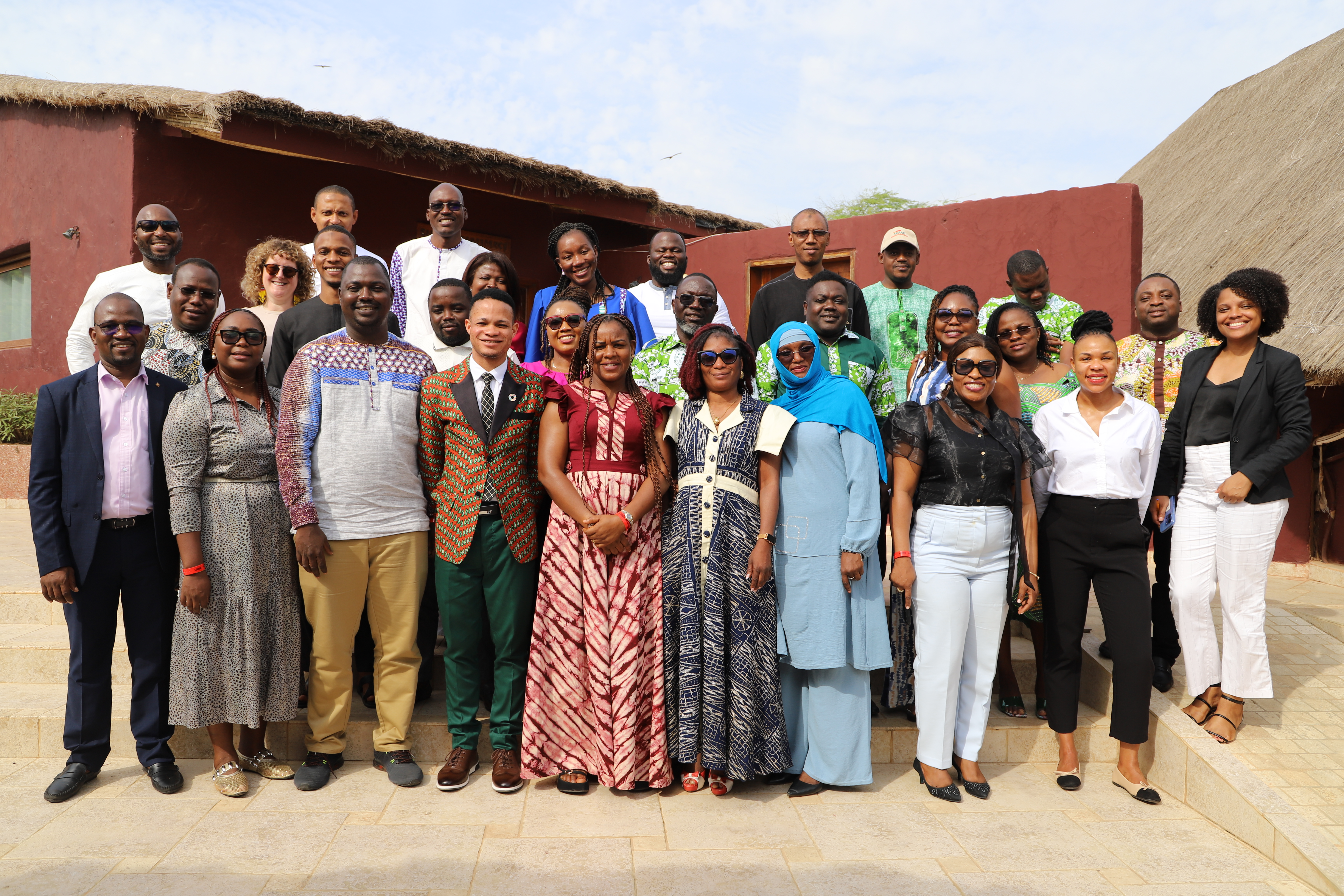
The Comprehensive Abortion Care in West Africa (SCAAO) programme recently held its annual workshop in the west African country of Senegal. The forum was an important moment for IPPF's Member Associations (MAs) implementing the programme to review progress, exchange best practices and shape priorities for the next phase. This year’s workshop, which marked the close of Phase 1 and set the stage for Phase 2, helped in deepening learning and strengthening MA activities for greater impact. By Maryanne W. WAWERU From 19 – 20 November 2025, Senegal played host to the annual ‘Strategic Planning and Best Practices Workshop’ by the Comprehensive Abortion Care in West Africa (SCAAO) programme. Jointly funded by The Hewlett Foundation and the Foundation for a Just Society International, the SCAAO aims to expand access to person-centered abortion care for women and girls in Francophone West and Central Africa. Compared to the rest of sub-Saharan Africa, Francophone West Africa scores very low against some of the most critical sexual reproductive health and rights (SRHR) indicators. According to the World Health Organization (WHO), approximately 22 million unsafe abortions are performed each year, resulting in the deaths of 47,000 women and causing long-term health consequences in another 5 million women worldwide. Unsafe abortion is a major public health issue in West and Central Africa, and constitutes a major cause of maternal death. Western Africa has one of the highest rates of unsafe abortion in the world, with 28 abortions per 1,000 women aged 15–44 years. The sub-region has also struggled in a global context of limited funding resources and insufficient or unsustainable donor investments for SRHR. Where this investment has occurred, it has been plagued by siloed programming, limited sustainability mechanisms, and fallen short of ensuring a truly locally owned and gender transformative impact on women and girls. This challenge underscores the need for well-designed interventions like SCAAO that address these structural challenges through interventions. The SCAAO programme is being implemented by IPPF’s MAs in Niger, Togo, Cameroon and Burkina Faso. Learning and exchange platforms The annual SCAAO best practices workshops serve as important learning platforms where MAs exchange experiences, share innovations and reflect on challenges, successes and lessons learned. The sessions also provide opportunities for MAs to develop strategies aimed at strengthening implementation and improving overall programme outcomes. This year’s annual workshop was timely, coming at the end of phase 1 of the programme. It presented an ideal opportunity to reflect on progress, launch Phase 2 (2025 – 2028), and engage in cross-learning with other regional initiatives. The second phase of the programme will build on the gains made in Phase 1 by strengthening the expertise and activities of MAs around person-centered care, advocacy and capacity sharing. This will contribute to the broader goal of harnessing the unique strengths and opportunities of each actor in the SRHR ecosystem from government agencies to CSOs, healthcare providers, activists, lawmakers, and funders towards expanding access to abortion care for more women and girls in the sub-region. Cross-learning engagements To enhance cross-programme learning and assure sustainability within IPPF MAs, the 2025 SCAAO annual workshop included select projects from other MAs, specifically EmpowHER, Stand-Up, and the Advocacy for SRHR Project in West Africa. The EmpowHER project, being implemented in 13 countries (eight of them in the Africa region), endeavours to guarantee women and young girls’ access to quality reproductive healthcare. The Stand-UP project, being implemented by IPPF MAs in Uganda and Mozambique, contributes to the increased enjoyment of SRHR by adolescent girls and young women. The Advocacy for SRHR Project in West Africa focuses on advocacy and is aimed at strengthening access to SRHR services for adolescents and young people in Senegal and Cape Verde. Participants at the 2025 SCAAO annual workshop were drawn from the SCAAO implementing countries, as well as those from EmpowHER, Stand-UP and the Advocacy for SRHR Project in West Africa. Showcasing best practices   Several notable best practices were highlighted during the sessions. In Togo, Association Togolaise pour le Bien-Etre Familial (ATBEF) has scaled up the use of telemedicine for abortion care while improving the abortion ecosystem by engaging in more open discussions with parliamentarians. This, with the support of the Ministry of Health (MoH). Similarly, the Cameroon National Planning Association for Family Welfare (CAMNAFAW) has made notable progress in increasing access to self-managed abortion and collaborating with a civil society organization (CSO) network to align the country’s abortion law to the Maputo Protocol dispositions. Both country interventions, which have been advanced through SCAAO, have led to more women and girls accessing abortion care services, thus fostering progress within an increasingly supportive environment. In Niger, L'Association Nigérienne pour le Bien-être Familial (ANBEF) has strengthened advocacy for post-abortion care (PAC) through Values Clarification and Attitudes Transformation (VCAT) trainings targeting key stakeholders such as MoH officials, religious leaders, civil society organizations, lawyers and other influential figures. Abortion remains a highly sensitive and taboo topic in Niger, and the country’s complex socio-cultural and political context only makes it harder to address. VCAT sessions encourage honest dialogues and reflections on sensitive reproductive health matters such as abortion, with the aim of deepening understanding and fostering support for the same. Dr. Maimuna Saley, the SCAAO Coordinator at ANBEF, says the VCAT trainings have significantly increased stakeholders’ understanding of women’s reproductive health. “We have noted a positive shift in attitudes among key stakeholders, many of whom are now collaborating with us to expand access to post-abortion care information and services for women and girls in Niger,” she said. IPPF’s MA in Burkina Faso, L'Association Burkinabè pour le Bien-Être Familial (ABBEF), which is an established leader in abortion care, has played a central role in building ANBEF’s capacity to strengthen its advocacy and service delivery. “Our team trained colleagues in Niger on VCAT. Afterward, with our guidance and support, the ANBEF trainers began delivering VCAT sessions to key stakeholders. The ANBEF team can now independently conduct these sessions, in activities that have helped to create a more supportive environment for abortion care and support in Niger,” said Dr. Mady Dera, the SCAAO Coordinator at ABBEF. ABBEF’s role has also covered the coordination of regional advocacy campaigns with regional stakeholders and institutions such as the Organisation for Safe Abortion Dialogue (ODAS). Additionally, ABBEF has established a pool of experts across the region to address key priorities related to abortion. Progress and impact Mr. Kader Avonnon, IPPF Africa Region’s SCAAO Programme Coordinator says the programme has so far achieved significant success. “Over 33,000 clients have received high-quality abortion care, including Post Abortion Care, with over 21,000 receiving support services for abortion self-care. Notably, 80% of the clients who received abortion care have been from poor and vulnerable backgrounds, which aligns with the programme’s commitment to equity.” he said. According to Mr. Avonnon, SCAAO has also increased the pool of service providers, who include staff from partner organisations. “We now have more healthcare workers who can offer abortion care. As a result, more girls and young women, including those in remote and marginalized areas where access was previously limited, are now receiving services from skilled providers. This has helped reduce unsafe abortion complications,” he explained. SCAAO’s role in IPPF’s mission During the workshop, Ms. Mallah Tabot, the IPPF Africa Region SRHR Lead emphasized the importance of the programme to IPPF’s broader mission. “The SCAAO programme is helping us rebuild the foundations of abortion care in a region that has been overlooked for far too long. It allows us to strategically close the gap between our mandate and our delivery in one of the toughest regions for abortion care, and to support our MAs to grow their readiness, transform culture and champion reproductive justice for the continent,” she said during the workshop. Ms. Tabot added that while many MAs were already providing abortion care, the SCAAO initiative has pushed their work to beyond service delivery. “It has helped us confront values, strengthen governance, build systems that make services safer, and positioned MAs as consistent and resilient leaders over time.” Participant perspectives At the close of the forum, participants shared their reflections. “The idea of person-centered abortion services stood out. This means considering the unique needs of each person seeking care and tailoring services to them. When it comes to abortion care, individual needs vary from person to person and therefore each case needs to be treated uniquely. The presentations from the different countries brought out this important aspect of abortion care very clearly,” said Ms. Yasmilatou Aboudoulaye from IPPF’s MA in Benin, Association Béninoise pour la Promotion de la Famille (ABPF). Mr. Mohammed Ka from IPPF’s MA in Senegal, Action and Development (AcDev) similarly shared his reflections. “The best practices showcased by the MAs gave me great insights into how the same programme can be adapted to different contexts and still deliver results. The experience of Niger was very interesting as it showed how ANBEF has made great strides in abortion advocacy, meaning that even in difficult contexts, success is still possible. I learnt so much and I’m keen to share these ideas with my colleagues at AcDev as there is a lot we can replicate to enhance our work,” he said. At the end of the workshop, participants left very inspired and motivated to strengthen abortion care in their countries –a great momentum to the start of Phase 2 of the noteworthy SCAAO programme.
Photo de groupe des participants de l'atelier
27 May 2025

Strengthening the Collective Impact of IPPF Member Associations for Abortion Care Access

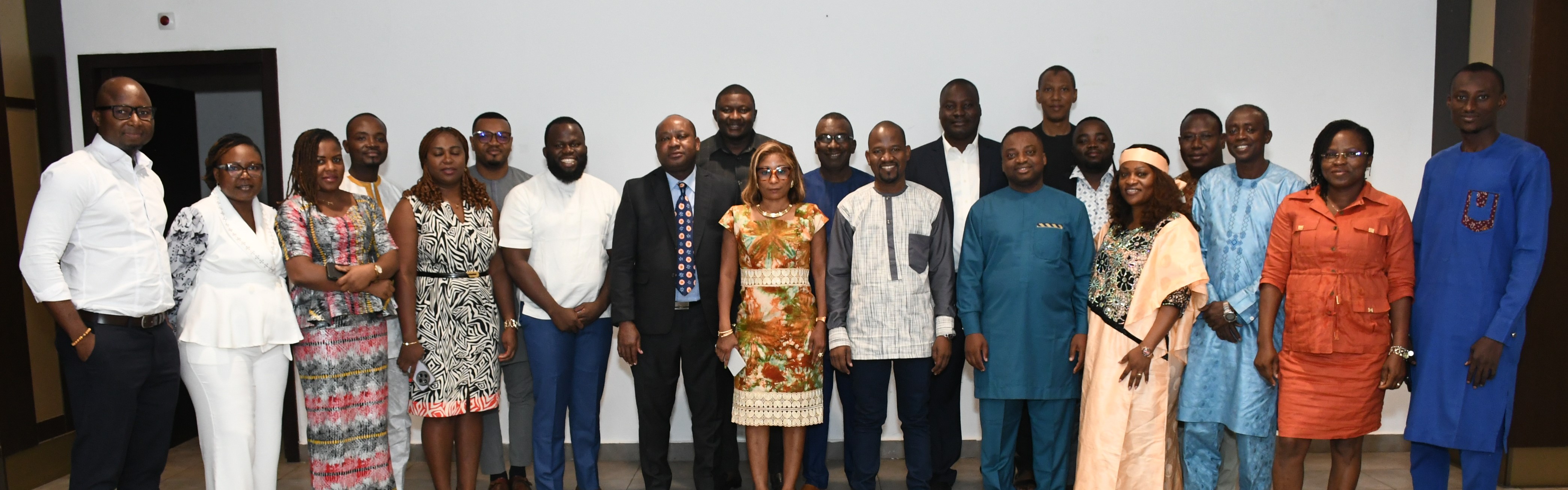
From 24–27 March 2025, the city of Douala, Cameroon, hosted the regional strategic planning workshop marking the launch of Phase 2 of the SCAAO programme (Comprehensive Abortion Care in West Africa).   Organized in a spirit of co-creation, the event brought together 20 representatives from IPPF Africa Region Member Associations (MAs) — including Executive Directors, Programme Managers, Finance Officers, Monitoring & Evaluation Officers, and healthcare providers involved in the provision of abortion care. Participants were drawn from the countries of Benin, Burkina Faso, Cameroon, Niger, and Togo.  The workshop aimed to strengthen the capacities of MAs to enhance their knowledge, skills, and monitoring and evaluation tools for effective project management of the SCAAO project. It also aimed to foster a peer-learning environment conducive to cross-country strategy refinement. The workshop purposed to promote strategic partnerships and increase stronger collaboration among MAs to enhance an enabling environment for successful programme implementation.  A Collaborative and Strategic Space  The workshop was driven by dynamic exchanges, hands-on experience sharing, and action-oriented technical sessions. Key sessions and themes included values clarification and attitude transformation (VCAT), advocacy, youth empowerment, documentation of good practices, and institutional leadership.    Key achievements from SCAAO’s year 1 implementation were also shared and analyzed. The achievements include 16,683 women and girls benefitting from safe abortion care information and services. 91% of the beneficiaries received post-abortion contraception. 6,039 women and girls accessed related services via WhatsApp, SMS, the InfoAdoJeunes app, and other digital platforms. Another notable achievement was the engagement of MAs in national and regional abortion ecosystems strengthening, movement building, as well as local and national level advocacy initiatives.  Ms. Marie-Ange Bouwem, the SCAAO Project Coordinator in IPPF’s MA in Togo -Assocation Togolaise pour le Bien-Etre Familial (ATBEF), played a key role in facilitating the sessions. Dr. Mady Dera, SCAAO Project Coordinator in IPPF’s MA in Burkina Faso -Association Burkinabe pour le Bien-Etre Familial (ABBEF) led the technical session on values clarification, highlighting that “Sustainable performance stems from teams that are valued, heard, and engaged.”  Mr. Gérard Da Silva, the Executive Director from IPPF’s MA in Niger, Association Nigérienne pour le Bien-Etre Familial (ANBEF) praised the project’s collaborative approach, stating, "Working in a consortium helps avoid fragmented progress. Together, we have a strong potential to mobilize more organizations for our cause."  Key Learnings and Cross-Cutting Lessons  Sessions on abortion-related communication deeply resonated with participants, who stressed how language can either facilitate or hinder access to care. There were insightful discussions with practical examples from MAs about how conversations about abortion shape its social acceptance.    Mr. Ahmed Pana, ATBEF’s Finance Director emphasized the need to tailor language to specific audiences, while Mr. Lotti Edjenguele Executive Director, of the Cameroon National Association for Family Welfare (CAMNAFAW) highlighted the importance of sensitive communication to fight abortion stigma.  Fostering ongoing strategic dialogue between project teams and MA leadership was promoted during the sessions. “The group work sessions on leadership helped me better understand the levers of strategic project management,” said Mr. Rachid Awal (SCAAO project manager in ANBEF).  A Pivotal Moment for the Programme  The workshop served as a catalyst for more structured cross-country collaboration, encouraged local innovation, and fostered collective ownership of the project.   “The workshop was a relevant space for giving and receiving, where each MA learns from others to improve their own strategies,” said Mr. Gérard Da-Silva (ANBEF Executive Director).   Mrs. Armande Bossou, Program Director at Association Beninoise pour la Promotion de la Famille (ABPF), said the workshop was an insightful learning forum.   “The workshop allowed me to learn from other Member Associations. It also helped me understand that even when the environment is favorable for the provision of abortion services, it is crucial to remain vigilant to maintain that enabling environment, and to ensure effective dissemination of the existing legal provisions so that everyone is equally informed.  A More Ambitious and Integrated Phase 2   Phase 2 of the SCAAO programme is built on a foundation of continuous improvement, with a strong focus on self-managed abortion, meaningful youth engagement, data-driven advocacy, and more inclusive and efficient governance within the MAs.   The regional strategic planning workshop in Douala marked a pivotal step in launching Phase 2 of the SCAAO program with renewed ambition and cohesion. By bringing together key actors from across West Africa, the event reinforced the importance of collective intelligence, peer learning, co-creation, and strategic alignment to advance access to safe abortion. Through vibrant discussions, shared insights, and a spirit of collaboration, participants not only strengthened their technical capacities but also laid the groundwork for a more integrated, inclusive, and impactful implementation of the program.   By Kader Avonnon The Project Manager, SCAAO. 

FON family photo
16 March 2023

Feminist Opportunities Now: Eradicating GBV in the world, one flexible funding at a time

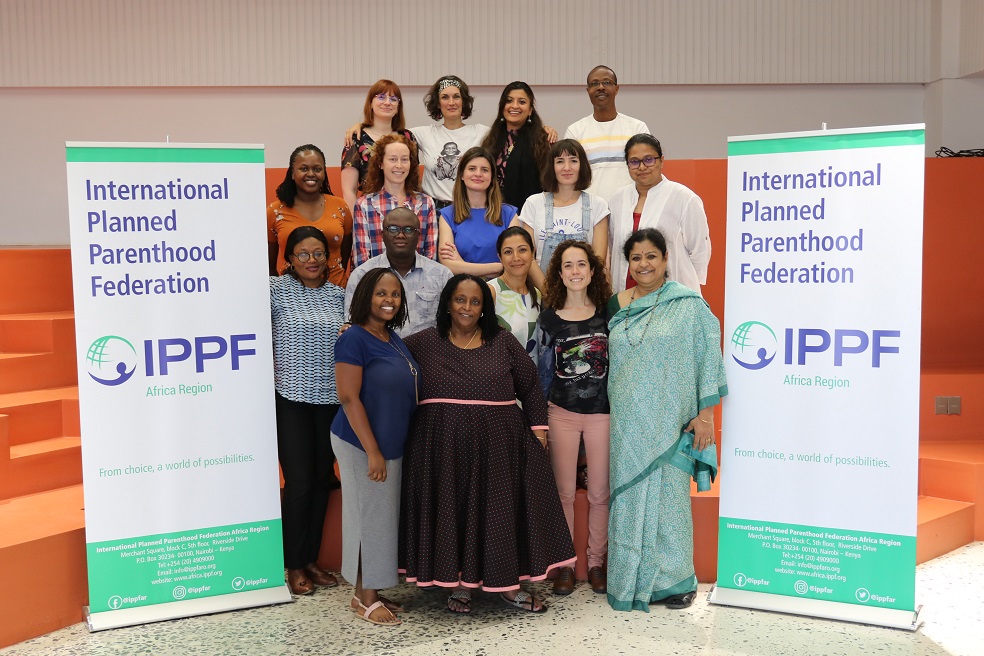
  Feminist Opportunities Now (FON) is a programme that aims to build capacity of feminist organisations via subgrants to enhance more diverse and resilient Civil Society Organisations when addressing and responding to gender-based violence, inequalities, discrimination and other human rights violations related to gender. International Planned Parenthood Federation Africa Region (IPPFAR) is the FON consortium lead, with the other consortium partners being Médecins du Monde (MdM-FR), Creating Resources for Empowerment and Action Inc. (CREA), the International Federation on Human Rights (FIDH) and Empow’Her (EH). The programme is funded by the French Government via the French Development Agency (AFD). The actions of the consortium's member organizations are guided by feminist principles and a strong commitment to promoting human rights and combating inequalities and discrimination, particularly against women and girls. With extensive experience in the themes covered by the program's mandates and complementary expertise, they provide a solid foundation for the program's comprehensive and holistic approach. Where: Bangladesh, Burkina Faso, Colombia, Côte d'Ivoire, Ethiopia, Republic of Guinea, Kenya, Mexico, Niger, Sri Lanka. When: 2022-2026 The Challenge  Gender inequalities continue to impact half of the world’s population on a global scale and remain one of the primary barriers to human development. The FON Programme aims to tackle these inequalities by addressing several key challenges: Insufficient or ineffective implementation of comprehensive laws, policies, and legal frameworks to combat gender inequalities globally, which has resulted in worsening disparities. Inadequate application of these frameworks has further widened inequalities and increased the vulnerability of women and girls, particularly those with disabilities, living with HIV, sex workers, and individuals of diverse sexual orientations and gender identities (SOGI). The COVID-19 pandemic has significantly exacerbated social and economic issues, leading to a rise in gender-based violence (GBV). Insufficient involvement of people with disabilities (who make up 15% of the global population), LGBTI+ individuals, sex workers, and people living with HIV/AIDS in initiatives to advocate for their rights, resulting in limited participation in preventing and responding to violence. A lack of support for emerging or relatively new Civil Society Organizations (CSOs), many of which are not formally recognized. Despite their enthusiasm and dynamic efforts, these organizations continue to face obstacles that limit their ability to combat GBV and promote women's rights. The absence of an innovative and flexible financing system to enhance the contributions of diverse CSOs in the Global South toward reducing GBV. Objectives of the Programme  To Improve the sustainability of feminist CSOs at the organizational and technical levels by proposing an inclusive approach to capacity building.   To support the resilience and diversity of feminist CSOs through access to flexible, sustainable financing mechanisms tailored to small and/or informal and/or marginalized CSOs. To strengthen a networked movement of feminist CSOs in the Global South, linking these CSOs and national, regional, and international networks, to make their voices heard on the public stage.     To promote innovation at all levels of the programme by the CSOs themselves and the consortium member organisations.   Targets of the Programme  Feminist CSOs working with and/or for the various structurally excluded groups. Activist organizations working with or led by people who may face particularly high discrimination. Gender inequalities and GBV, such as members of the LGBTI+ community and in general people with diverse sexual orientation and gender identities and Gender Expressions (SOGIE). People living with disabilities. People with HIV/AIDS.  Sex workers.  Indirectly, targets of advocacy activities (regional bodies, national / local authorities, etc) Approaches of the Programme  FON seeks to empower feminist organizations through subgrants to create more diverse and resilient CSOs in their efforts to address and respond to gender-based violence, inequalities, discrimination, and other human rights violations related to gender. To support this mission, FON will establish Regional Coordination and Advisory Committees in each region—Africa, Asia, and Latin America. These committees will play a crucial role in promoting inclusiveness and identifying opportunities for advocacy. The subgranting process will be structured into three funding windows, with the first call for proposals set to launch in April 2023: Window 1 : Boost The goal of this window is to enhance the capacity of feminist CSOs to navigate external challenges (such as political instability or insecurity) and internal obstacles (such as organizational difficulties, need for co-funding or additional program components). This window also provides flexibility, allowing CSOs to apply for grants to seize new opportunities in programming or advocacy. Window 2: Programmatic & Organizational Development This window is designed to support small and mid-sized CSOs aiming to grow their organizational, technical, and programmatic capacities. It aims to fund specific programs while simultaneously strengthening the overall capacity of the recipient organizations. Window 3: Synergies This window will provide funding for networks, movements, and alliances to carry out advocacy activities related to GBV and for organizations looking to join existing networks. It focuses on fostering network and alliance building and increasing visibility on national, regional, and international platforms.   Location Justification  Equity is a fundamental component of the FON implementation strategy. The programme will be carried out in 10 countries: six in Africa (Burkina Faso, Ethiopia, Côte d’Ivoire, Guinea, Kenya, and Niger), two in Latin America (Colombia and Mexico), and two in Asia (Bangladesh and Sri Lanka). The selection of these locations was carefully considered based on the following criteria: Countries where there is a strong need for CSO support and a high potential for exchanges and collaborations. Locations with existing normative and policy frameworks that are not fully implemented or respected in national laws. Countries with significant and varied needs among their populations, indicating a broad potential for learning and training. Contexts where gender-based violence is prevalent, increasing the necessity for support to feminist CSOs. Opportunities for collaboration with other existing and/or new initiatives. Find out more about FON in English, French or Spanish  

FON cover 1

Feminist Opportunities Now (FON)

      CALL FOR EXPRESSION OF INTEREST The International Planned Parenthood Federation for Africa Region (IPPFAR) is pleased to announce a call for Expressions of Interest for interested organizations to become involved in their Feminist Opportunities Now (FON) programme, and join the Regional Coordination and Advisory Committee (RCAC), the advisory body that will to ensure inclusive and participatory governance of FON’s grant-making mechanism for feminist organizations across Africa: Burkina Faso, Ethiopia, Guinea, the Ivory Coast, Kenya and potentially Niger.   Apply by 19 February 2023 More infos : https://bit.ly/3wJeV7o    

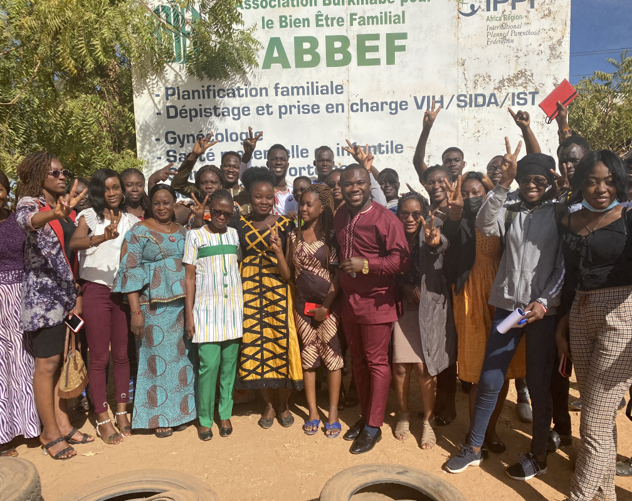
3M project
31 January 2022

Mes Droits, Ma Sante, Mon Avenir -3M

  The project seeks to contribute to the reduction of gender inequalities through the empowerment of youth and the technical strengthening of local feminist CSOs towards the transformation of gender norms in favour of the sexual rights of adolescents and youth. Budget:  899,996 EUR Donor: Fonds de Solidarité pour les Projets Innovants (FSPi) Timeline: 2 Years (April 2021 – March 2023) Project implementation areas: Niger, Chad and Burkina Faso Partners: Association Nigérienne pour le Bien Êtr  e Familial (ANBEF), Association Burkinabè pour le Bien Être Familial (ABBEF), Association Tchadienne pour le Bien Être Familial (ASTBEF) and Association Togolaise pour le Bien Être Familial (ATBEF) Key achievements to date: 3 Member Association (MA) supported through MA-to-MA support from ATBEF, More than 600 trainers of trainees trained in Gender and SRH, 100 Youth and feminist associations strengthened in local communities, The organisation of more than 200 community talks on SRHR and gender equality, supported by approaches and channels adapted to the beneficiaries, made it possible to reach 2,299 people, including 1,374 girls and 925 adolescent boys and young people, on unwanted pregnancies, family planning, STIs, HIV/AIDS and contraception. Innovative approaches: This project uses the MA-to-MA Approach, south-south collaboration & Peer to Peer support where ATBEF is supporting the 3 implementing MAs. Active collaboration with Youth and feminist associations at grassroot level. Lessons learned:  Public and private collaboration is critical as well as the need to document best practices. The involvement of the central level (Ministries) in the implementation of the project positively influences the operational levels and strengthens their commitment to the project activities and makes them feel more accountable. Also, collaboration with the health, education and gender departments has enabled the project teams to benefit from technical support for access to pupils, teachers, and parents, to have an orientation on current policies in relation to the projects, and to be accompanied in the training. 

Niger
18 November 2021

African Girls Summit 2021: IPPF reaffirms its commitment to eliminate all forms of violence against women and girls

Organised by the African Union Commission, the African Girls' Summit aims to accelerate the realisation of girls' rights, including the elimination of harmful practices such as female genital mutilation, early marriage, and breast-bandaging, as well as their rights to education and sexual and reproductive health. This is the third summit under this theme, the first edition having been held in Lusaka, Zambia from 26 to 27 November 2015, and the 2nd summit in Accra, Ghana from 21 to 24 November 2018. During the opening ceremony, the Representative of the UN Secretary-General's Special Envoy on Violence against Children, Ms. Najat Maalla M'Jid, shared a strong message: "We must keep in mind that Africa's children and youth are Africa's capital, Africa's richest source of wealth, with a population that is growing and is expected to reach 830 million by 2050". In his speech, Niger’s Head of State, Mr. Mohamed Bazoum, said that the theme of the summit confirms "the commitment of African countries to work together for human development on the continent by relying in particular on women and youth.” According to him, "We have, through this meeting, the opportunity to analyse, monitor and better guide the actions of our States in terms of protection of the human rights of girls who constitute an important part of the population of our countries.”   IPPF participated through the intervention of its African Regional Director, Ms. Marie-Evelyne Pétrus-Barry, during two panels, respectively on the themes: "The impact of COVID-19 on women and girls: an integrated response" and "Young people engage with Member States to end harmful practices". During these exchanges, the Regional Director reaffirmed "IPPF's commitment to eliminate all forms of violence against women and girls, to protect their rights and to ensure the provision of and access to the services and information necessary to protect their health and well-being". She stressed the devastating impact of harmful practices on women's and girls' sexual and reproductive health, as well as their mental and psychosocial health: "Female genital mutilation and child marriage are both linked to high rates of maternal mortality and low use of family planning leading to unwanted pregnancies. They deprive women of the opportunity to be educated, to become imaginative, innovative and creative, to open up to new possibilities, and to enjoy the full benefits of decent work for themselves and their families.”   She also noted the work of its Member Associations in being innovative and resilient to the challenges of COVID-19. "They have, among other things, simultaneously developed telemedicine, door-to-door and their mobile clinics to meet the SRH needs of confined women, digitised sex education for young people deprived of school, etc." She also celebrated the work of young people and thanked them for their actions in promoting sexual and reproductive rights on the continent: "Thank you young women and men, thank you for all you are doing today, and for the many things you will still accomplish. I have great admiration for you, and I think I speak for many people of my age when I say that we admire you and are ready to learn from you.” It is IPPF's duty to support young people, especially young women and girls, and to give them all the support they need to realize and implement their collective commitments to sexual and reproductive rights. IPPF is, and will remain, at their side.  

NIGER
18 November 2021

Sommet des filles africaines 2021: l’IPPF réaffirme son engagement dans la lutte contre toute forme de violence à l'égard des femmes et des filles.

La Directrice régionale de la Fédération Internationale pour la Planification Familiale (IPPF) Afrique a activement pris part au au Sommet des filles Africaines à Niamey, au Niger, du 16 au 18 Novembre 2021.  Organisé par la Commission de l’Union Africaine, le Sommet des filles africaines vise à accélérer la réalisation de leurs droits, notamment l’élimination des pratiques néfastes - dont la mutilation génitale féminine, le mariage précoce ou encore le bandages des seins - mais aussi leurs droits à l’éducation et à la santé sexuelle et reproductive. Il s’agit du troisième sommet sur ce thème, la première édition s’étant tenue à Lusaka en Zambie du 26 au 27 Novembre 2015 et le 2ème sommet à Accra au Ghana du 21 au 24 Novembre 2018. Durant la cérémonie d’ouverture, la représentante de l’Envoyée spéciale du Secrétaire Général des Nations Unies sur les questions de violences contre les enfants, Mme Najat Maalla M’Jid, a partagé un message fort : « nous devons garder à l’esprit que les enfants et les jeunes d’Afrique représentent un capital, constituent la source la plus riche d’Afrique, avec une population qui ne cesse d'accroître et qui devrait atteindre 830 millions d’ici 2050». Dans son allocution, le Chef d’Etat du Niger, Mohamed Bazoum a, quant à lui, affirmé que la thématique du sommet confirme « l’engagement des pays africains à œuvrer solidairement pour le développement humain sur le continent en s’appuyant en particulier sur les femmes et les jeunes ». Selon lui, « Nous avons donc, à travers cette rencontre, l’occasion d’analyser, de suivre et de mieux orienter les actions de nos Etats en matière de protection des droits humains des filles qui constituent une frange importante de la population de nos pays ». L’IPPF a pour sa part marqué sa participation à travers l’intervention de la Directrice régionale pour l’Afrique, Mme Marie-Evelyne Pétrus-Barry lors de deux panels, consacrés respectivement aux thèmes: "L’impact de la COVID-19 sur les femmes et les filles: une réponse intégrée" et "Les jeunes s'engagent auprès des États membres pour mettre fin aux pratiques néfastes". Lors de ces échanges, la directrice régionale a réaffirmé « l’engagement de l’IPPF à poursuivre la lutte contre toute forme de violence à l'égard des femmes et des filles, de protéger leurs droits et de garantir la fourniture et l'accès aux services et aux informations nécessaires à la protection de leur santé et de leur bien-être ».  Elle a tenu a souligner l’impact dévastateur des pratiques néfastes sur la santé sexuelle et reproductive des femmes et des filles, ainsi que sur leur santé mentale et psychosociale: “Les mutilations génitales féminines et les mariages d'enfants sont tous deux liés à des taux élevés de mortalité maternelle et à un faible recours à la planification familiale amenant à des grossesses non désirées. Ils privent les femmes de la possibilité d'être éduquées, de devenir des êtres imaginatifs, novateurs et créatifs, de s'ouvrir à de nouvelles possibilités et de profiter, elles et leurs familles, de tous les avantages qu'apporte un emploi décent”.  Elle a également relevé le travail abattu par ses associations membres en matière d’innovation et de capacité de résilience face aux défis de la COVID-19 . « Elles ont, entre autres, développé simultanément la télémédecine, le porte-à-porte et leurs cliniques mobiles pour répondre aux besoins des femmes confinées en matière de SSR, numérisé l'éducation sexuelle pour les jeunes privés d’école, etc. »  Elle a enfin tenu à célébrer l’action des jeunes et à les remercier pour leurs actions en faveur des droits sexuels et reproductifs sur le continent: “Merci jeunes femmes et jeunes hommes, merci pour tout ce que vous faites aujourd’hui, et pour les nombreuses choses que vous allez encore accomplir. Je vous adresse ma grande admiration et je pense que je parle au nom de nombreuses personnes de mon âge lorsque je dis que nous vous admirons et que nous sommes prêts à recevoir votre enseignement”.  Il est du devoir de l’IPPF d’appuyer les jeunes, notamment les jeunes femmes et filles, et de leur apporter tout le soutien dont ils ont besoin pour concrétiser et mettre en action leurs engagements collectifs en faveur des droits sexuels et reproductifs. L’IPPF est et restera à leurs côtés. 

IPPF Africa Region Director Mr. Lucien Kouakou
16 December 2015

Parliamentarians are Key to Realizing Demographic Dividend in Africa

African parliamentarians must seek ways of mobilizing resources to fund the demographic dividend agenda in their countries. This is according to the IPPF Africa Region Director Mr. Lucien Kouakou, who made these remarks during the closing ceremony of a two-day capacity building workshop for African Parliamentarians held in Nairobi, Kenya, from 14 – 15 December 2015. The meeting, attended by 13 legislators drawn from the Africa Parliamentary Forum on Population and Development (FPA), was aimed at enhancing the legislators' understanding of the concept of the ‘Demographic Dividend’, and their role in moving forward related agenda. The demographic dividend refers to the accelerated economic growth initiated by a rapid decline in fertility and mortality, and which results in a change of the age structure in the population –from one dominated by child dependents to one driven by an economically productive adult workforce. “Harnessing the demographic dividend is fundamental to Africa’s development. A demographic shift in any population is important because of it's direct bearing to among others: economic growth, education levels, poverty levels and the health and well-being of a nation. The current demographic transition in Africa is one that has the ability to steer the next surge of economic growth - with a population characterized by healthier and more educated youth, and who will have greater access to the labour force and economic markets. African leaders therefore need to put in place measures that will ensure that the continent harnesses the dividend from Africa’s youthful population,” he said. A new report from the World Bank reveals that government policies and other related actions undertaken today will increase the likelihood of harnessing various economic and social benefits of demographic change. “Parliamentarians are instrumental in this process, as they are the ones involved in the formulation of policies and legislations. When a country has the right set of policies in place, it is better placed to reap the benefits of a demographic change, hence the need to involve Members of Parliament in all conversations around the demographic dividend. There is no doubt that the demographic dividend can be achieved in Africa, if the right policies are instituted,” said Mr. Kouakou. The capacity building initiative for the African legislators, organized by IPPF and UNFPA and themed: "Moving the Demographic Dividend Agenda: from Ideas to Actions", established a harmonized understanding of the demographic dividend among the MPs, and helped define their level of engagement in advancing this agenda in their countries. A clear roadmap for moving forward the demographic dividend agenda at both regional and national levels was developed during the forum. Members of parliament who attended the forum included: Hon. Chris Baryomunsi (Uganda), Hon. Marie-Rose Nguini Effa (Cameroon), Hon. Jose Manuel Tavares Sanches (Cape Verde), Hon. Mbaidessemel Dionadiji (Chad), Hon. Zalikatou Diallo (Guinea Conakry), Hon. Larry Younquoi (Liberia), Hon. Illa Ousmane (Niger), Hon. Helen Kuyembeh (Sierra Leone), Hon. Dlamini Princess Phumelele (Swaziland), Hon. Highvie Hamdudu (Zambia), Hon. Nurudeen Abatemi-Usman (Nigeria), Hon. Ahmed Babou Babah (Mauritania) and Hon. Sado Nazaire (Benin). In his speech, Mr. Kouakou called on the MPs to take a lead role in mobilizing resources that will ensure that the demographic dividend will be realized in their countries. “Parliamentarians can influence their colleagues and garner their support for the formulation of policies and legislations, specifically those related to population and development. They can call for more budgetary allocation to respective institutions, such as the Ministries of Planning and Development, The Ministries of Health and Education, as well as institutions that focus on the youth. They can also take the lead in seeking innovative ways of mobilizing resources at the local level that would champion population and related issues. Members of Parliament have an unmatched role in steering development in their countries,” he said. Mr. Kouakou further urged the legislators to take advantage of the resource that is partners who have a presence in the region, such as IPPF and UNFPA – entities that are committed to Africa’s growth. Development partners, if convinced that the demographic dividend is key to the growth of the region, will definitely assist in different ways, including offering technical assistance, capacity building and mobilization of resources, he said. “IPPF and UNFPA are committed to this agenda, and are working in collaboration with the Africa Parliamentary Forum on Population and Development (FPA) to implement a programme that will ensure that all African countries are on track to realizing the demographic dividend. The project is initially slated for implementation in the six countries of Mauritania, Ivory Coast, Mali, Burkina Faso, Niger and Chad, with more countries being incorporated in the coming years. We are keen on ensuring that no country is left behind,” he said. The Africa Parliamentary Forum on Population and Development (FPA), which was established in 2012, seeks to exchange and coordinate action in support of the ICPD Beyond 2014. FPA also seeks to ensure that parliamentarians assist in the implementation of the ICPD Beyond 2014 Agenda by adopting initiatives in population policies, as well as harmonisation of African legislation on Sexual and Reproductive Health and Rights (SRHR). At the Abidjan General Assembly meeting in 2014, FPA reaffirmed its purpose as a regional body established to drive the agenda on population and development at both the national and regional levels.

Association Nigérienne pour le Bien-Etre Familial

Since 1996, the Association Nigérienne pour le Bien-Etre Familial's (ANBEF) have been providing a comprehensive range of sexual and reproductive health (SRH) needs and issues including the prevention and management of HIV and AIDS, antenatal and post-natal care, the provision of post-abortion care in clinics and health huts in rural areas, treatment of male and female infertility, and pre-marital counselling. Importantly, the Member Association also trains young people in income-generating activities.

ANBEF reaches out to rural and hard-to-reach communities, including street children, sex workers, vulnerable young people and rural populations.  Services are delivered by a team of permanent staff, hundreds of volunteers, peer educators and community-based distributors (CBDs).

Given that a very high proportion of 15-19 year olds give birth, and risks of maternal death and rates of child mortality are among the highest in the world, ANBEF fulfils a critical need in Niger that is not met by the private sector or government providers.

ANBEF’s expertise has been called upon by the Niger government’s Technical Committee for the development of the national IPCD+10 (International Conference on Population and Development) strategy. The Member Association works with non-governmental organizations including CARE International and FCI Partnerships, and it receives funding from UNFPA and Multisector Programmes (IDA/World Bank). ANBEF works closely with other specialist population, planning, youth, HIV and AIDS and sexually transmitted infection (STI) groups in Niger.

q
05 December 2025

Strengthening abortion care in West Africa: highlights from the 2025 SCAAO workshop

The Comprehensive Abortion Care in West Africa (SCAAO) programme recently held its annual workshop in the west African country of Senegal. The forum was an important moment for IPPF's Member Associations (MAs) implementing the programme to review progress, exchange best practices and shape priorities for the next phase. This year’s workshop, which marked the close of Phase 1 and set the stage for Phase 2, helped in deepening learning and strengthening MA activities for greater impact. By Maryanne W. WAWERU From 19 – 20 November 2025, Senegal played host to the annual ‘Strategic Planning and Best Practices Workshop’ by the Comprehensive Abortion Care in West Africa (SCAAO) programme. Jointly funded by The Hewlett Foundation and the Foundation for a Just Society International, the SCAAO aims to expand access to person-centered abortion care for women and girls in Francophone West and Central Africa. Compared to the rest of sub-Saharan Africa, Francophone West Africa scores very low against some of the most critical sexual reproductive health and rights (SRHR) indicators. According to the World Health Organization (WHO), approximately 22 million unsafe abortions are performed each year, resulting in the deaths of 47,000 women and causing long-term health consequences in another 5 million women worldwide. Unsafe abortion is a major public health issue in West and Central Africa, and constitutes a major cause of maternal death. Western Africa has one of the highest rates of unsafe abortion in the world, with 28 abortions per 1,000 women aged 15–44 years. The sub-region has also struggled in a global context of limited funding resources and insufficient or unsustainable donor investments for SRHR. Where this investment has occurred, it has been plagued by siloed programming, limited sustainability mechanisms, and fallen short of ensuring a truly locally owned and gender transformative impact on women and girls. This challenge underscores the need for well-designed interventions like SCAAO that address these structural challenges through interventions. The SCAAO programme is being implemented by IPPF’s MAs in Niger, Togo, Cameroon and Burkina Faso. Learning and exchange platforms The annual SCAAO best practices workshops serve as important learning platforms where MAs exchange experiences, share innovations and reflect on challenges, successes and lessons learned. The sessions also provide opportunities for MAs to develop strategies aimed at strengthening implementation and improving overall programme outcomes. This year’s annual workshop was timely, coming at the end of phase 1 of the programme. It presented an ideal opportunity to reflect on progress, launch Phase 2 (2025 – 2028), and engage in cross-learning with other regional initiatives. The second phase of the programme will build on the gains made in Phase 1 by strengthening the expertise and activities of MAs around person-centered care, advocacy and capacity sharing. This will contribute to the broader goal of harnessing the unique strengths and opportunities of each actor in the SRHR ecosystem from government agencies to CSOs, healthcare providers, activists, lawmakers, and funders towards expanding access to abortion care for more women and girls in the sub-region. Cross-learning engagements To enhance cross-programme learning and assure sustainability within IPPF MAs, the 2025 SCAAO annual workshop included select projects from other MAs, specifically EmpowHER, Stand-Up, and the Advocacy for SRHR Project in West Africa. The EmpowHER project, being implemented in 13 countries (eight of them in the Africa region), endeavours to guarantee women and young girls’ access to quality reproductive healthcare. The Stand-UP project, being implemented by IPPF MAs in Uganda and Mozambique, contributes to the increased enjoyment of SRHR by adolescent girls and young women. The Advocacy for SRHR Project in West Africa focuses on advocacy and is aimed at strengthening access to SRHR services for adolescents and young people in Senegal and Cape Verde. Participants at the 2025 SCAAO annual workshop were drawn from the SCAAO implementing countries, as well as those from EmpowHER, Stand-UP and the Advocacy for SRHR Project in West Africa. Showcasing best practices   Several notable best practices were highlighted during the sessions. In Togo, Association Togolaise pour le Bien-Etre Familial (ATBEF) has scaled up the use of telemedicine for abortion care while improving the abortion ecosystem by engaging in more open discussions with parliamentarians. This, with the support of the Ministry of Health (MoH). Similarly, the Cameroon National Planning Association for Family Welfare (CAMNAFAW) has made notable progress in increasing access to self-managed abortion and collaborating with a civil society organization (CSO) network to align the country’s abortion law to the Maputo Protocol dispositions. Both country interventions, which have been advanced through SCAAO, have led to more women and girls accessing abortion care services, thus fostering progress within an increasingly supportive environment. In Niger, L'Association Nigérienne pour le Bien-être Familial (ANBEF) has strengthened advocacy for post-abortion care (PAC) through Values Clarification and Attitudes Transformation (VCAT) trainings targeting key stakeholders such as MoH officials, religious leaders, civil society organizations, lawyers and other influential figures. Abortion remains a highly sensitive and taboo topic in Niger, and the country’s complex socio-cultural and political context only makes it harder to address. VCAT sessions encourage honest dialogues and reflections on sensitive reproductive health matters such as abortion, with the aim of deepening understanding and fostering support for the same. Dr. Maimuna Saley, the SCAAO Coordinator at ANBEF, says the VCAT trainings have significantly increased stakeholders’ understanding of women’s reproductive health. “We have noted a positive shift in attitudes among key stakeholders, many of whom are now collaborating with us to expand access to post-abortion care information and services for women and girls in Niger,” she said. IPPF’s MA in Burkina Faso, L'Association Burkinabè pour le Bien-Être Familial (ABBEF), which is an established leader in abortion care, has played a central role in building ANBEF’s capacity to strengthen its advocacy and service delivery. “Our team trained colleagues in Niger on VCAT. Afterward, with our guidance and support, the ANBEF trainers began delivering VCAT sessions to key stakeholders. The ANBEF team can now independently conduct these sessions, in activities that have helped to create a more supportive environment for abortion care and support in Niger,” said Dr. Mady Dera, the SCAAO Coordinator at ABBEF. ABBEF’s role has also covered the coordination of regional advocacy campaigns with regional stakeholders and institutions such as the Organisation for Safe Abortion Dialogue (ODAS). Additionally, ABBEF has established a pool of experts across the region to address key priorities related to abortion. Progress and impact Mr. Kader Avonnon, IPPF Africa Region’s SCAAO Programme Coordinator says the programme has so far achieved significant success. “Over 33,000 clients have received high-quality abortion care, including Post Abortion Care, with over 21,000 receiving support services for abortion self-care. Notably, 80% of the clients who received abortion care have been from poor and vulnerable backgrounds, which aligns with the programme’s commitment to equity.” he said. According to Mr. Avonnon, SCAAO has also increased the pool of service providers, who include staff from partner organisations. “We now have more healthcare workers who can offer abortion care. As a result, more girls and young women, including those in remote and marginalized areas where access was previously limited, are now receiving services from skilled providers. This has helped reduce unsafe abortion complications,” he explained. SCAAO’s role in IPPF’s mission During the workshop, Ms. Mallah Tabot, the IPPF Africa Region SRHR Lead emphasized the importance of the programme to IPPF’s broader mission. “The SCAAO programme is helping us rebuild the foundations of abortion care in a region that has been overlooked for far too long. It allows us to strategically close the gap between our mandate and our delivery in one of the toughest regions for abortion care, and to support our MAs to grow their readiness, transform culture and champion reproductive justice for the continent,” she said during the workshop. Ms. Tabot added that while many MAs were already providing abortion care, the SCAAO initiative has pushed their work to beyond service delivery. “It has helped us confront values, strengthen governance, build systems that make services safer, and positioned MAs as consistent and resilient leaders over time.” Participant perspectives At the close of the forum, participants shared their reflections. “The idea of person-centered abortion services stood out. This means considering the unique needs of each person seeking care and tailoring services to them. When it comes to abortion care, individual needs vary from person to person and therefore each case needs to be treated uniquely. The presentations from the different countries brought out this important aspect of abortion care very clearly,” said Ms. Yasmilatou Aboudoulaye from IPPF’s MA in Benin, Association Béninoise pour la Promotion de la Famille (ABPF). Mr. Mohammed Ka from IPPF’s MA in Senegal, Action and Development (AcDev) similarly shared his reflections. “The best practices showcased by the MAs gave me great insights into how the same programme can be adapted to different contexts and still deliver results. The experience of Niger was very interesting as it showed how ANBEF has made great strides in abortion advocacy, meaning that even in difficult contexts, success is still possible. I learnt so much and I’m keen to share these ideas with my colleagues at AcDev as there is a lot we can replicate to enhance our work,” he said. At the end of the workshop, participants left very inspired and motivated to strengthen abortion care in their countries –a great momentum to the start of Phase 2 of the noteworthy SCAAO programme.

Photo de groupe des participants de l'atelier
27 May 2025

Strengthening the Collective Impact of IPPF Member Associations for Abortion Care Access

From 24–27 March 2025, the city of Douala, Cameroon, hosted the regional strategic planning workshop marking the launch of Phase 2 of the SCAAO programme (Comprehensive Abortion Care in West Africa).   Organized in a spirit of co-creation, the event brought together 20 representatives from IPPF Africa Region Member Associations (MAs) — including Executive Directors, Programme Managers, Finance Officers, Monitoring & Evaluation Officers, and healthcare providers involved in the provision of abortion care. Participants were drawn from the countries of Benin, Burkina Faso, Cameroon, Niger, and Togo.  The workshop aimed to strengthen the capacities of MAs to enhance their knowledge, skills, and monitoring and evaluation tools for effective project management of the SCAAO project. It also aimed to foster a peer-learning environment conducive to cross-country strategy refinement. The workshop purposed to promote strategic partnerships and increase stronger collaboration among MAs to enhance an enabling environment for successful programme implementation.  A Collaborative and Strategic Space  The workshop was driven by dynamic exchanges, hands-on experience sharing, and action-oriented technical sessions. Key sessions and themes included values clarification and attitude transformation (VCAT), advocacy, youth empowerment, documentation of good practices, and institutional leadership.    Key achievements from SCAAO’s year 1 implementation were also shared and analyzed. The achievements include 16,683 women and girls benefitting from safe abortion care information and services. 91% of the beneficiaries received post-abortion contraception. 6,039 women and girls accessed related services via WhatsApp, SMS, the InfoAdoJeunes app, and other digital platforms. Another notable achievement was the engagement of MAs in national and regional abortion ecosystems strengthening, movement building, as well as local and national level advocacy initiatives.  Ms. Marie-Ange Bouwem, the SCAAO Project Coordinator in IPPF’s MA in Togo -Assocation Togolaise pour le Bien-Etre Familial (ATBEF), played a key role in facilitating the sessions. Dr. Mady Dera, SCAAO Project Coordinator in IPPF’s MA in Burkina Faso -Association Burkinabe pour le Bien-Etre Familial (ABBEF) led the technical session on values clarification, highlighting that “Sustainable performance stems from teams that are valued, heard, and engaged.”  Mr. Gérard Da Silva, the Executive Director from IPPF’s MA in Niger, Association Nigérienne pour le Bien-Etre Familial (ANBEF) praised the project’s collaborative approach, stating, "Working in a consortium helps avoid fragmented progress. Together, we have a strong potential to mobilize more organizations for our cause."  Key Learnings and Cross-Cutting Lessons  Sessions on abortion-related communication deeply resonated with participants, who stressed how language can either facilitate or hinder access to care. There were insightful discussions with practical examples from MAs about how conversations about abortion shape its social acceptance.    Mr. Ahmed Pana, ATBEF’s Finance Director emphasized the need to tailor language to specific audiences, while Mr. Lotti Edjenguele Executive Director, of the Cameroon National Association for Family Welfare (CAMNAFAW) highlighted the importance of sensitive communication to fight abortion stigma.  Fostering ongoing strategic dialogue between project teams and MA leadership was promoted during the sessions. “The group work sessions on leadership helped me better understand the levers of strategic project management,” said Mr. Rachid Awal (SCAAO project manager in ANBEF).  A Pivotal Moment for the Programme  The workshop served as a catalyst for more structured cross-country collaboration, encouraged local innovation, and fostered collective ownership of the project.   “The workshop was a relevant space for giving and receiving, where each MA learns from others to improve their own strategies,” said Mr. Gérard Da-Silva (ANBEF Executive Director).   Mrs. Armande Bossou, Program Director at Association Beninoise pour la Promotion de la Famille (ABPF), said the workshop was an insightful learning forum.   “The workshop allowed me to learn from other Member Associations. It also helped me understand that even when the environment is favorable for the provision of abortion services, it is crucial to remain vigilant to maintain that enabling environment, and to ensure effective dissemination of the existing legal provisions so that everyone is equally informed.  A More Ambitious and Integrated Phase 2   Phase 2 of the SCAAO programme is built on a foundation of continuous improvement, with a strong focus on self-managed abortion, meaningful youth engagement, data-driven advocacy, and more inclusive and efficient governance within the MAs.   The regional strategic planning workshop in Douala marked a pivotal step in launching Phase 2 of the SCAAO program with renewed ambition and cohesion. By bringing together key actors from across West Africa, the event reinforced the importance of collective intelligence, peer learning, co-creation, and strategic alignment to advance access to safe abortion. Through vibrant discussions, shared insights, and a spirit of collaboration, participants not only strengthened their technical capacities but also laid the groundwork for a more integrated, inclusive, and impactful implementation of the program.   By Kader Avonnon The Project Manager, SCAAO. 

FON family photo
16 March 2023

Feminist Opportunities Now: Eradicating GBV in the world, one flexible funding at a time

  Feminist Opportunities Now (FON) is a programme that aims to build capacity of feminist organisations via subgrants to enhance more diverse and resilient Civil Society Organisations when addressing and responding to gender-based violence, inequalities, discrimination and other human rights violations related to gender. International Planned Parenthood Federation Africa Region (IPPFAR) is the FON consortium lead, with the other consortium partners being Médecins du Monde (MdM-FR), Creating Resources for Empowerment and Action Inc. (CREA), the International Federation on Human Rights (FIDH) and Empow’Her (EH). The programme is funded by the French Government via the French Development Agency (AFD). The actions of the consortium's member organizations are guided by feminist principles and a strong commitment to promoting human rights and combating inequalities and discrimination, particularly against women and girls. With extensive experience in the themes covered by the program's mandates and complementary expertise, they provide a solid foundation for the program's comprehensive and holistic approach. Where: Bangladesh, Burkina Faso, Colombia, Côte d'Ivoire, Ethiopia, Republic of Guinea, Kenya, Mexico, Niger, Sri Lanka. When: 2022-2026 The Challenge  Gender inequalities continue to impact half of the world’s population on a global scale and remain one of the primary barriers to human development. The FON Programme aims to tackle these inequalities by addressing several key challenges: Insufficient or ineffective implementation of comprehensive laws, policies, and legal frameworks to combat gender inequalities globally, which has resulted in worsening disparities. Inadequate application of these frameworks has further widened inequalities and increased the vulnerability of women and girls, particularly those with disabilities, living with HIV, sex workers, and individuals of diverse sexual orientations and gender identities (SOGI). The COVID-19 pandemic has significantly exacerbated social and economic issues, leading to a rise in gender-based violence (GBV). Insufficient involvement of people with disabilities (who make up 15% of the global population), LGBTI+ individuals, sex workers, and people living with HIV/AIDS in initiatives to advocate for their rights, resulting in limited participation in preventing and responding to violence. A lack of support for emerging or relatively new Civil Society Organizations (CSOs), many of which are not formally recognized. Despite their enthusiasm and dynamic efforts, these organizations continue to face obstacles that limit their ability to combat GBV and promote women's rights. The absence of an innovative and flexible financing system to enhance the contributions of diverse CSOs in the Global South toward reducing GBV. Objectives of the Programme  To Improve the sustainability of feminist CSOs at the organizational and technical levels by proposing an inclusive approach to capacity building.   To support the resilience and diversity of feminist CSOs through access to flexible, sustainable financing mechanisms tailored to small and/or informal and/or marginalized CSOs. To strengthen a networked movement of feminist CSOs in the Global South, linking these CSOs and national, regional, and international networks, to make their voices heard on the public stage.     To promote innovation at all levels of the programme by the CSOs themselves and the consortium member organisations.   Targets of the Programme  Feminist CSOs working with and/or for the various structurally excluded groups. Activist organizations working with or led by people who may face particularly high discrimination. Gender inequalities and GBV, such as members of the LGBTI+ community and in general people with diverse sexual orientation and gender identities and Gender Expressions (SOGIE). People living with disabilities. People with HIV/AIDS.  Sex workers.  Indirectly, targets of advocacy activities (regional bodies, national / local authorities, etc) Approaches of the Programme  FON seeks to empower feminist organizations through subgrants to create more diverse and resilient CSOs in their efforts to address and respond to gender-based violence, inequalities, discrimination, and other human rights violations related to gender. To support this mission, FON will establish Regional Coordination and Advisory Committees in each region—Africa, Asia, and Latin America. These committees will play a crucial role in promoting inclusiveness and identifying opportunities for advocacy. The subgranting process will be structured into three funding windows, with the first call for proposals set to launch in April 2023: Window 1 : Boost The goal of this window is to enhance the capacity of feminist CSOs to navigate external challenges (such as political instability or insecurity) and internal obstacles (such as organizational difficulties, need for co-funding or additional program components). This window also provides flexibility, allowing CSOs to apply for grants to seize new opportunities in programming or advocacy. Window 2: Programmatic & Organizational Development This window is designed to support small and mid-sized CSOs aiming to grow their organizational, technical, and programmatic capacities. It aims to fund specific programs while simultaneously strengthening the overall capacity of the recipient organizations. Window 3: Synergies This window will provide funding for networks, movements, and alliances to carry out advocacy activities related to GBV and for organizations looking to join existing networks. It focuses on fostering network and alliance building and increasing visibility on national, regional, and international platforms.   Location Justification  Equity is a fundamental component of the FON implementation strategy. The programme will be carried out in 10 countries: six in Africa (Burkina Faso, Ethiopia, Côte d’Ivoire, Guinea, Kenya, and Niger), two in Latin America (Colombia and Mexico), and two in Asia (Bangladesh and Sri Lanka). The selection of these locations was carefully considered based on the following criteria: Countries where there is a strong need for CSO support and a high potential for exchanges and collaborations. Locations with existing normative and policy frameworks that are not fully implemented or respected in national laws. Countries with significant and varied needs among their populations, indicating a broad potential for learning and training. Contexts where gender-based violence is prevalent, increasing the necessity for support to feminist CSOs. Opportunities for collaboration with other existing and/or new initiatives. Find out more about FON in English, French or Spanish  

FON cover 1

Feminist Opportunities Now (FON)

      CALL FOR EXPRESSION OF INTEREST The International Planned Parenthood Federation for Africa Region (IPPFAR) is pleased to announce a call for Expressions of Interest for interested organizations to become involved in their Feminist Opportunities Now (FON) programme, and join the Regional Coordination and Advisory Committee (RCAC), the advisory body that will to ensure inclusive and participatory governance of FON’s grant-making mechanism for feminist organizations across Africa: Burkina Faso, Ethiopia, Guinea, the Ivory Coast, Kenya and potentially Niger.   Apply by 19 February 2023 More infos : https://bit.ly/3wJeV7o    

3M project
31 January 2022

Mes Droits, Ma Sante, Mon Avenir -3M

  The project seeks to contribute to the reduction of gender inequalities through the empowerment of youth and the technical strengthening of local feminist CSOs towards the transformation of gender norms in favour of the sexual rights of adolescents and youth. Budget:  899,996 EUR Donor: Fonds de Solidarité pour les Projets Innovants (FSPi) Timeline: 2 Years (April 2021 – March 2023) Project implementation areas: Niger, Chad and Burkina Faso Partners: Association Nigérienne pour le Bien Êtr  e Familial (ANBEF), Association Burkinabè pour le Bien Être Familial (ABBEF), Association Tchadienne pour le Bien Être Familial (ASTBEF) and Association Togolaise pour le Bien Être Familial (ATBEF) Key achievements to date: 3 Member Association (MA) supported through MA-to-MA support from ATBEF, More than 600 trainers of trainees trained in Gender and SRH, 100 Youth and feminist associations strengthened in local communities, The organisation of more than 200 community talks on SRHR and gender equality, supported by approaches and channels adapted to the beneficiaries, made it possible to reach 2,299 people, including 1,374 girls and 925 adolescent boys and young people, on unwanted pregnancies, family planning, STIs, HIV/AIDS and contraception. Innovative approaches: This project uses the MA-to-MA Approach, south-south collaboration & Peer to Peer support where ATBEF is supporting the 3 implementing MAs. Active collaboration with Youth and feminist associations at grassroot level. Lessons learned:  Public and private collaboration is critical as well as the need to document best practices. The involvement of the central level (Ministries) in the implementation of the project positively influences the operational levels and strengthens their commitment to the project activities and makes them feel more accountable. Also, collaboration with the health, education and gender departments has enabled the project teams to benefit from technical support for access to pupils, teachers, and parents, to have an orientation on current policies in relation to the projects, and to be accompanied in the training. 

Niger
18 November 2021

African Girls Summit 2021: IPPF reaffirms its commitment to eliminate all forms of violence against women and girls

Organised by the African Union Commission, the African Girls' Summit aims to accelerate the realisation of girls' rights, including the elimination of harmful practices such as female genital mutilation, early marriage, and breast-bandaging, as well as their rights to education and sexual and reproductive health. This is the third summit under this theme, the first edition having been held in Lusaka, Zambia from 26 to 27 November 2015, and the 2nd summit in Accra, Ghana from 21 to 24 November 2018. During the opening ceremony, the Representative of the UN Secretary-General's Special Envoy on Violence against Children, Ms. Najat Maalla M'Jid, shared a strong message: "We must keep in mind that Africa's children and youth are Africa's capital, Africa's richest source of wealth, with a population that is growing and is expected to reach 830 million by 2050". In his speech, Niger’s Head of State, Mr. Mohamed Bazoum, said that the theme of the summit confirms "the commitment of African countries to work together for human development on the continent by relying in particular on women and youth.” According to him, "We have, through this meeting, the opportunity to analyse, monitor and better guide the actions of our States in terms of protection of the human rights of girls who constitute an important part of the population of our countries.”   IPPF participated through the intervention of its African Regional Director, Ms. Marie-Evelyne Pétrus-Barry, during two panels, respectively on the themes: "The impact of COVID-19 on women and girls: an integrated response" and "Young people engage with Member States to end harmful practices". During these exchanges, the Regional Director reaffirmed "IPPF's commitment to eliminate all forms of violence against women and girls, to protect their rights and to ensure the provision of and access to the services and information necessary to protect their health and well-being". She stressed the devastating impact of harmful practices on women's and girls' sexual and reproductive health, as well as their mental and psychosocial health: "Female genital mutilation and child marriage are both linked to high rates of maternal mortality and low use of family planning leading to unwanted pregnancies. They deprive women of the opportunity to be educated, to become imaginative, innovative and creative, to open up to new possibilities, and to enjoy the full benefits of decent work for themselves and their families.”   She also noted the work of its Member Associations in being innovative and resilient to the challenges of COVID-19. "They have, among other things, simultaneously developed telemedicine, door-to-door and their mobile clinics to meet the SRH needs of confined women, digitised sex education for young people deprived of school, etc." She also celebrated the work of young people and thanked them for their actions in promoting sexual and reproductive rights on the continent: "Thank you young women and men, thank you for all you are doing today, and for the many things you will still accomplish. I have great admiration for you, and I think I speak for many people of my age when I say that we admire you and are ready to learn from you.” It is IPPF's duty to support young people, especially young women and girls, and to give them all the support they need to realize and implement their collective commitments to sexual and reproductive rights. IPPF is, and will remain, at their side.  

NIGER
18 November 2021

Sommet des filles africaines 2021: l’IPPF réaffirme son engagement dans la lutte contre toute forme de violence à l'égard des femmes et des filles.

La Directrice régionale de la Fédération Internationale pour la Planification Familiale (IPPF) Afrique a activement pris part au au Sommet des filles Africaines à Niamey, au Niger, du 16 au 18 Novembre 2021.  Organisé par la Commission de l’Union Africaine, le Sommet des filles africaines vise à accélérer la réalisation de leurs droits, notamment l’élimination des pratiques néfastes - dont la mutilation génitale féminine, le mariage précoce ou encore le bandages des seins - mais aussi leurs droits à l’éducation et à la santé sexuelle et reproductive. Il s’agit du troisième sommet sur ce thème, la première édition s’étant tenue à Lusaka en Zambie du 26 au 27 Novembre 2015 et le 2ème sommet à Accra au Ghana du 21 au 24 Novembre 2018. Durant la cérémonie d’ouverture, la représentante de l’Envoyée spéciale du Secrétaire Général des Nations Unies sur les questions de violences contre les enfants, Mme Najat Maalla M’Jid, a partagé un message fort : « nous devons garder à l’esprit que les enfants et les jeunes d’Afrique représentent un capital, constituent la source la plus riche d’Afrique, avec une population qui ne cesse d'accroître et qui devrait atteindre 830 millions d’ici 2050». Dans son allocution, le Chef d’Etat du Niger, Mohamed Bazoum a, quant à lui, affirmé que la thématique du sommet confirme « l’engagement des pays africains à œuvrer solidairement pour le développement humain sur le continent en s’appuyant en particulier sur les femmes et les jeunes ». Selon lui, « Nous avons donc, à travers cette rencontre, l’occasion d’analyser, de suivre et de mieux orienter les actions de nos Etats en matière de protection des droits humains des filles qui constituent une frange importante de la population de nos pays ». L’IPPF a pour sa part marqué sa participation à travers l’intervention de la Directrice régionale pour l’Afrique, Mme Marie-Evelyne Pétrus-Barry lors de deux panels, consacrés respectivement aux thèmes: "L’impact de la COVID-19 sur les femmes et les filles: une réponse intégrée" et "Les jeunes s'engagent auprès des États membres pour mettre fin aux pratiques néfastes". Lors de ces échanges, la directrice régionale a réaffirmé « l’engagement de l’IPPF à poursuivre la lutte contre toute forme de violence à l'égard des femmes et des filles, de protéger leurs droits et de garantir la fourniture et l'accès aux services et aux informations nécessaires à la protection de leur santé et de leur bien-être ».  Elle a tenu a souligner l’impact dévastateur des pratiques néfastes sur la santé sexuelle et reproductive des femmes et des filles, ainsi que sur leur santé mentale et psychosociale: “Les mutilations génitales féminines et les mariages d'enfants sont tous deux liés à des taux élevés de mortalité maternelle et à un faible recours à la planification familiale amenant à des grossesses non désirées. Ils privent les femmes de la possibilité d'être éduquées, de devenir des êtres imaginatifs, novateurs et créatifs, de s'ouvrir à de nouvelles possibilités et de profiter, elles et leurs familles, de tous les avantages qu'apporte un emploi décent”.  Elle a également relevé le travail abattu par ses associations membres en matière d’innovation et de capacité de résilience face aux défis de la COVID-19 . « Elles ont, entre autres, développé simultanément la télémédecine, le porte-à-porte et leurs cliniques mobiles pour répondre aux besoins des femmes confinées en matière de SSR, numérisé l'éducation sexuelle pour les jeunes privés d’école, etc. »  Elle a enfin tenu à célébrer l’action des jeunes et à les remercier pour leurs actions en faveur des droits sexuels et reproductifs sur le continent: “Merci jeunes femmes et jeunes hommes, merci pour tout ce que vous faites aujourd’hui, et pour les nombreuses choses que vous allez encore accomplir. Je vous adresse ma grande admiration et je pense que je parle au nom de nombreuses personnes de mon âge lorsque je dis que nous vous admirons et que nous sommes prêts à recevoir votre enseignement”.  Il est du devoir de l’IPPF d’appuyer les jeunes, notamment les jeunes femmes et filles, et de leur apporter tout le soutien dont ils ont besoin pour concrétiser et mettre en action leurs engagements collectifs en faveur des droits sexuels et reproductifs. L’IPPF est et restera à leurs côtés. 

IPPF Africa Region Director Mr. Lucien Kouakou
16 December 2015

Parliamentarians are Key to Realizing Demographic Dividend in Africa

African parliamentarians must seek ways of mobilizing resources to fund the demographic dividend agenda in their countries. This is according to the IPPF Africa Region Director Mr. Lucien Kouakou, who made these remarks during the closing ceremony of a two-day capacity building workshop for African Parliamentarians held in Nairobi, Kenya, from 14 – 15 December 2015. The meeting, attended by 13 legislators drawn from the Africa Parliamentary Forum on Population and Development (FPA), was aimed at enhancing the legislators' understanding of the concept of the ‘Demographic Dividend’, and their role in moving forward related agenda. The demographic dividend refers to the accelerated economic growth initiated by a rapid decline in fertility and mortality, and which results in a change of the age structure in the population –from one dominated by child dependents to one driven by an economically productive adult workforce. “Harnessing the demographic dividend is fundamental to Africa’s development. A demographic shift in any population is important because of it's direct bearing to among others: economic growth, education levels, poverty levels and the health and well-being of a nation. The current demographic transition in Africa is one that has the ability to steer the next surge of economic growth - with a population characterized by healthier and more educated youth, and who will have greater access to the labour force and economic markets. African leaders therefore need to put in place measures that will ensure that the continent harnesses the dividend from Africa’s youthful population,” he said. A new report from the World Bank reveals that government policies and other related actions undertaken today will increase the likelihood of harnessing various economic and social benefits of demographic change. “Parliamentarians are instrumental in this process, as they are the ones involved in the formulation of policies and legislations. When a country has the right set of policies in place, it is better placed to reap the benefits of a demographic change, hence the need to involve Members of Parliament in all conversations around the demographic dividend. There is no doubt that the demographic dividend can be achieved in Africa, if the right policies are instituted,” said Mr. Kouakou. The capacity building initiative for the African legislators, organized by IPPF and UNFPA and themed: "Moving the Demographic Dividend Agenda: from Ideas to Actions", established a harmonized understanding of the demographic dividend among the MPs, and helped define their level of engagement in advancing this agenda in their countries. A clear roadmap for moving forward the demographic dividend agenda at both regional and national levels was developed during the forum. Members of parliament who attended the forum included: Hon. Chris Baryomunsi (Uganda), Hon. Marie-Rose Nguini Effa (Cameroon), Hon. Jose Manuel Tavares Sanches (Cape Verde), Hon. Mbaidessemel Dionadiji (Chad), Hon. Zalikatou Diallo (Guinea Conakry), Hon. Larry Younquoi (Liberia), Hon. Illa Ousmane (Niger), Hon. Helen Kuyembeh (Sierra Leone), Hon. Dlamini Princess Phumelele (Swaziland), Hon. Highvie Hamdudu (Zambia), Hon. Nurudeen Abatemi-Usman (Nigeria), Hon. Ahmed Babou Babah (Mauritania) and Hon. Sado Nazaire (Benin). In his speech, Mr. Kouakou called on the MPs to take a lead role in mobilizing resources that will ensure that the demographic dividend will be realized in their countries. “Parliamentarians can influence their colleagues and garner their support for the formulation of policies and legislations, specifically those related to population and development. They can call for more budgetary allocation to respective institutions, such as the Ministries of Planning and Development, The Ministries of Health and Education, as well as institutions that focus on the youth. They can also take the lead in seeking innovative ways of mobilizing resources at the local level that would champion population and related issues. Members of Parliament have an unmatched role in steering development in their countries,” he said. Mr. Kouakou further urged the legislators to take advantage of the resource that is partners who have a presence in the region, such as IPPF and UNFPA – entities that are committed to Africa’s growth. Development partners, if convinced that the demographic dividend is key to the growth of the region, will definitely assist in different ways, including offering technical assistance, capacity building and mobilization of resources, he said. “IPPF and UNFPA are committed to this agenda, and are working in collaboration with the Africa Parliamentary Forum on Population and Development (FPA) to implement a programme that will ensure that all African countries are on track to realizing the demographic dividend. The project is initially slated for implementation in the six countries of Mauritania, Ivory Coast, Mali, Burkina Faso, Niger and Chad, with more countries being incorporated in the coming years. We are keen on ensuring that no country is left behind,” he said. The Africa Parliamentary Forum on Population and Development (FPA), which was established in 2012, seeks to exchange and coordinate action in support of the ICPD Beyond 2014. FPA also seeks to ensure that parliamentarians assist in the implementation of the ICPD Beyond 2014 Agenda by adopting initiatives in population policies, as well as harmonisation of African legislation on Sexual and Reproductive Health and Rights (SRHR). At the Abidjan General Assembly meeting in 2014, FPA reaffirmed its purpose as a regional body established to drive the agenda on population and development at both the national and regional levels.

Association Nigérienne pour le Bien-Etre Familial

Since 1996, the Association Nigérienne pour le Bien-Etre Familial's (ANBEF) have been providing a comprehensive range of sexual and reproductive health (SRH) needs and issues including the prevention and management of HIV and AIDS, antenatal and post-natal care, the provision of post-abortion care in clinics and health huts in rural areas, treatment of male and female infertility, and pre-marital counselling. Importantly, the Member Association also trains young people in income-generating activities.

ANBEF reaches out to rural and hard-to-reach communities, including street children, sex workers, vulnerable young people and rural populations.  Services are delivered by a team of permanent staff, hundreds of volunteers, peer educators and community-based distributors (CBDs).

Given that a very high proportion of 15-19 year olds give birth, and risks of maternal death and rates of child mortality are among the highest in the world, ANBEF fulfils a critical need in Niger that is not met by the private sector or government providers.

ANBEF’s expertise has been called upon by the Niger government’s Technical Committee for the development of the national IPCD+10 (International Conference on Population and Development) strategy. The Member Association works with non-governmental organizations including CARE International and FCI Partnerships, and it receives funding from UNFPA and Multisector Programmes (IDA/World Bank). ANBEF works closely with other specialist population, planning, youth, HIV and AIDS and sexually transmitted infection (STI) groups in Niger.