



In Burundi, sexual and reproductive health remains a sensitive issue, shaped by deep-rooted social and institutional resistance, particularly around the concept of abortion. Civil society organizations (CSOs), though key players in advocacy, have long faced bias, stigma, and legal constraints that limit their ability to act effectively.
Through its collaboration in the WISH 2 project, funded by the UK Foreign, Commonwealth & Development Office (FCDO), Ipas Burundi has built a powerful foundation for bold leadership and transformative change in the country’s reproductive health landscape. This strategic partnership has enabled Ipas to champion rights-based approaches, strengthen civil society engagement, and challenge harmful norms that hinder access to care.
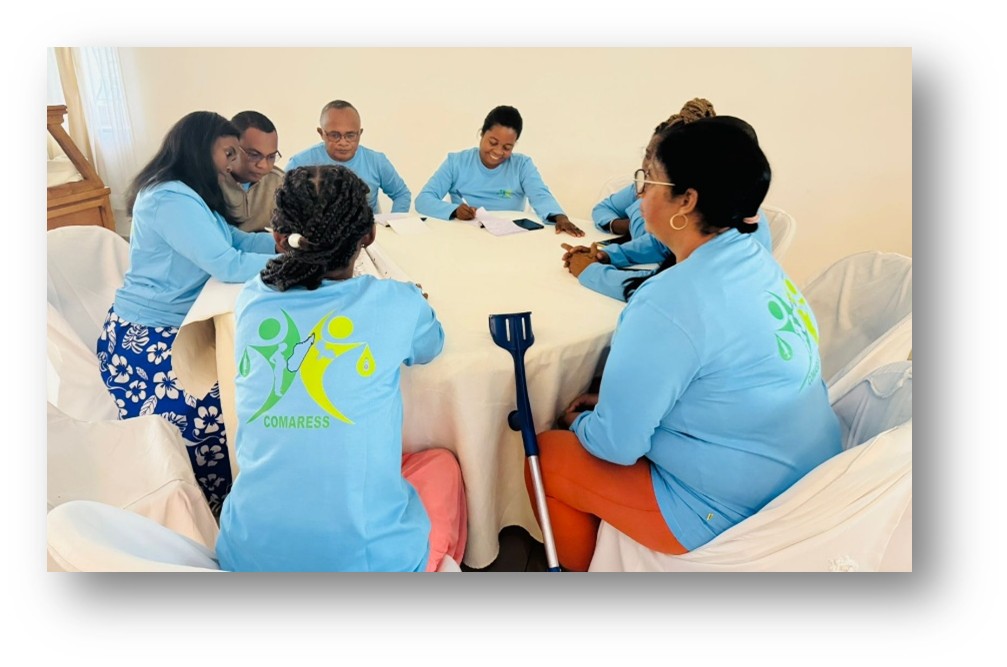
Since the beginning of this year, Ipas has strengthened the capacities of 27 key actors, primarily civil society leaders, through VCAT workshops, multi-stakeholder dialogues, and a legal review on sexual and reproductive health. These interventions have helped dismantle misconceptions and prejudices, foster a clearer understanding of Burundi’s legal framework on abortion, and promote more open and progressive attitudes.
The outcomes of Ipas Burundi’s recent interventions have been both transformative and deeply encouraging in advancing reproductive rights and expanding access to high-quality, non-discriminatory post-abortion care (PAC). As a result of targeted training: 15 participants now possess a clear and accurate understanding of Burundi’s legal framework for abortion, particularly the provision for therapeutic abortion.12 participants have publicly adopted less stigmatizing attitudes and 8 participants have pledged active support for political or community-led initiatives aimed at improving reproductive health access.

These shifts, captured through pre- and post-training assessments, individual evaluations, and qualitative observations, underscore the tangible impact of Ipas’s work. They illustrate how informed dialogue, and critical reflection can reshape perspectives and spark bold, values-driven leadership. At a pivotal moment for reproductive rights advocacy in Burundi, these results represent a meaningful stride toward building a more supportive and rights-affirming ecosystem.
“Before participating in the workshops, I carried my own doubts and prejudices about abortion; it was a subject shrouded in silence and stigma. But the VCAT sessions facilitated by Ipas opened my eyes to a new perspective. I was able to unpack my biases, connect with the real-life experiences of women, and re-center my thinking around their rights and dignity. Today, my peers and I feel empowered to advocate with confidence, grounded in human rights, even when facing resistance. We now have the tools and convictions to challenge stigma and push for a more just society, where access to post-abortion care is recognized not as a privilege, but as a fundamental right.”
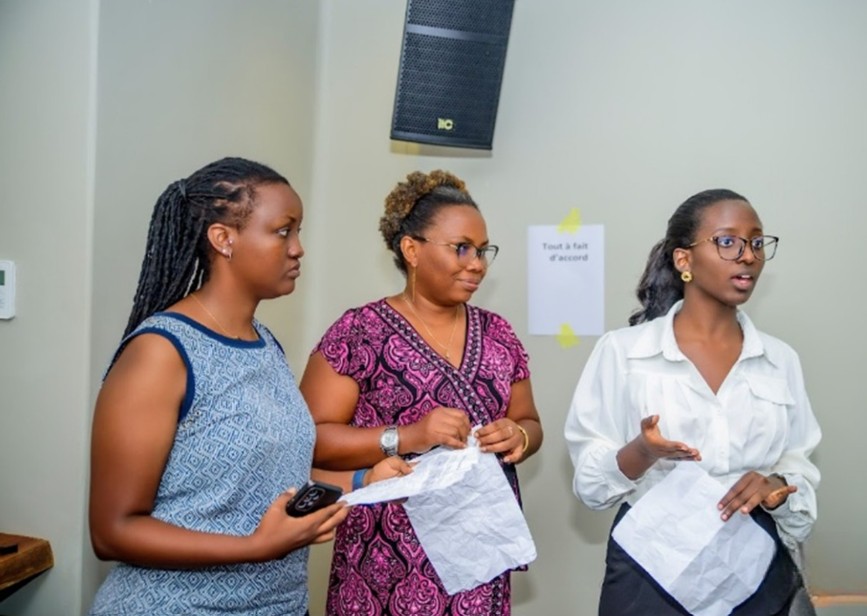
These transformations highlight a key lesson: training and dialogue are powerful tools for inspiring engaged leadership capable of shifting mindsets and building a more just environment for reproductive rights.
Despite enduring challenges, including social stigma, ideological resistance, and pressure from anti-rights movements, Ipas Burundi and its partners remain steadfast in their mission to advance reproductive justice. Through a strategic blend of capacity strengthening, targeted advocacy, and grassroots mobilization, they are actively shaping a more enabling environment for equitable, stigma-free access to high-quality post-abortion care. These efforts are not only helping to confront entrenched resistance but also laying the groundwork for sustained progress toward a more supportive legal, political, and social framework for sexual and reproductive health and rights in Burundi.
when
country
Burundi
region
Africa
Subject
Advocacy, Abortion Care