



Articles about Burundi
09 July 2026
Country Success Story: Burundi
Rehema remembers the fear more than the pain. At eight months pregnant, living in Busuma refugee site in Burundi, she had already made the journey once, walking for hours under the heat to reach a health facility in another zone. It wasn’t just far. It was exhausting, uncertain, and sometimes impossible. "I kept thinking… when the time comes, will I make it?” she said." Busuma had quickly grown into a vast settlement, now home to around 65,000 Congolese refugees fleeing conflict across the border. Among them were more than a thousand pregnant women like Rehema, navigating displacement, uncertainty, and limited access to care. For those living in Zone B, the nearest health facility was too far. Many delayed seeking care. Some gave birth at home. Others took risks they couldn’t afford. Then something changed. With support from WISH 2, a new health centre with maternity services opened right in Zone B. It wasn’t just a building. It meant that care was finally within reach. By the time Rehema went into labor, she didn’t have to walk for hours. She didn’t have to choose between safety and distance. She went to the new facility. The lights were simple. The space was modest. But the care was there. "They welcomed me with care and compassion,” she said. “With their support, I gave birth to my baby safely.” For Rehema, that moment changed everything. She wasn’t alone. Skilled health providers were there. The risks that come with giving birth without assistance were no longer hers to carry. When her baby cried for the first time, it was not just relief. It was safety, dignity, and a sense of being seen. Before she left, the staff handed her a small package. A baby kit. Washing powder. A simple gesture, but one that stayed with her. "It made me feel cared for,” she said. “I thank them, and I hope they do the same for other women.” In its first month alone, the facility supported 28 safe deliveries like Rehema’s. It also provided care for survivors of violence, treated infections, and helped dozens of women access family planning for the first time. But beyond the numbers, the shift is something you feel in the community. Women no longer wait in fear. Community volunteers move through the settlement, checking on families, guiding them, referring them. There is a system now, one that connects people to care when they need it most. For Rehema, it comes down to something simple. "I didn’t have to walk alone.” And in a place shaped by displacement and uncertainty, that made all the difference. What happened in Busuma was more than just opening a health facility. For the first time under WISH 2 in Burundi, maternity services were established and made fully operational within a humanitarian setting, bringing safe delivery care closer to women who need it most. It changed how care is accessed. Women no longer had to travel long distances or take risks during labor. Instead, they could reach skilled providers within their own community, in time, and with dignity. At the same time, this experience became a learning moment for the programme. It offered practical insight into what it takes to run maternity services in fragile contexts, from staffing and clinical organization to building referral systems that actually work when conditions are unpredictable. It also strengthened how WISH 2 operates. Closer coordination between health providers, community structures, and programme teams made it possible to respond quickly, adapt when challenges arose, and maintain continuity of care even in a complex humanitarian environment.
24 February 2026
When Trust Lives Next Door: Strengthening Community-Led SRHR in a Refugee Setting - Burundi
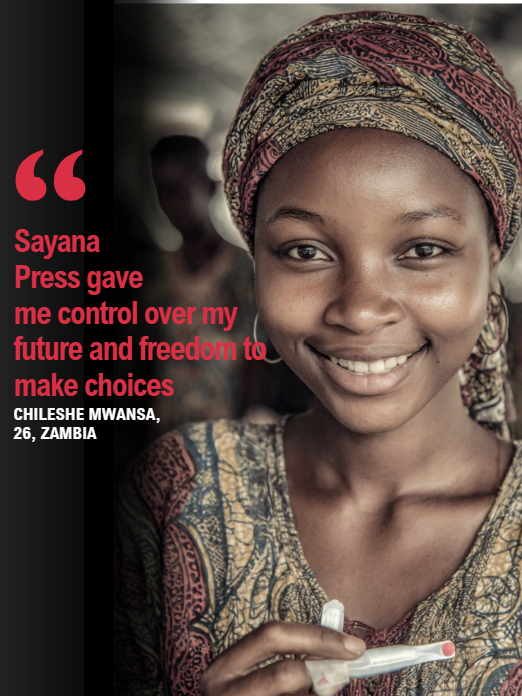
At the edge of Musenyi Congolese refugee camp in Muyinga Province, life is shaped by uncertainty. Families displaced by conflict live with overcrowded shelters, food insecurity, and limited freedom of movement. In such a fragile humanitarian setting, decisions about sexual and reproductive health (SRH) are often pushed aside, not because they are unimportant, but because survival comes first. For adolescents, young women, women of reproductive age, and couples, access to SRHR services has long been constrained. Strong sociocultural and religious resistance, widespread rumours about contraception, fear of stigma, and the absence of trusted service providers within the camp meant that many women quietly carried an unmet need for family planning. “People used to say contraceptives would make women infertile or sick,” recalls Aline, a young mother living in Musenyi. “I wanted to space my children, but I was afraid. There was no one I trusted to ask and the weight of community gossip made the isolation even worse” The numbers told the same story. In August 2025, before WISH 2 interventions began, uptake of Sayana Press, a discreet, self-injectable contraceptive well suited to humanitarian contexts, was almost non-existent, only three adolescent users under 20 and 20 women aged 25 and above accessed the method. Demand existed, but access and trust did not. Recognising that facility-based services alone could not meet needs in a humanitarian setting, IPPF’s Member Association, the Association Burundaise pour le Bien-Etre Familial (ABUBEF), through the WISH 2 project, adopted a different approach, one that placed trust, proximity, and lived experience at the centre. 60 community health workers (CHWs), women and men drawn directly from the refugee community, were trained to provide accurate sexual and reproductive health and rights (SRHR) information, mobilise households, and deliver community-based distribution of contraceptives, with a focus on Sayana Press. The intervention was implemented in close collaboration with Burundi’s Ministry of Public Health, through the National Reproductive Health Programme, with technical support from national trainers and financial backing from WISH 2. For Jean-Claude, one of the newly trained CHWs, the shift was immediate: “Because I live here, people know me. They know my family and they see how I live. When I speak to them about family planning, they listen differently, with curiosity rather than suspicion. They ask questions they were too afraid to ask before about side effects and about their futures, because they know I have a stake in this community’s well-being just like they do.” Through community-level service delivery, WISH 2 complemented overstretched health facilities and overcame barriers linked to mobility, distance, and fear. The impact was visible within months. During supervised practical sessions, 300 Sayana Press injections were safely administered, with each trained CHW completing at least five validated injections. More importantly, trust began to replace fear. By December 2025, uptake had risen to 21 adolescent users and 121 women aged 25 and above, a significant shift from the earlier baseline and a clear sign of latent demand once barriers were addressed. Women reported greater confidence and autonomy in making reproductive choices. Rumours began to fade as accurate information spread through household visits, peer-to-peer conversations, and community dialogues. “Now I can talk openly,” says Aline. “The health worker is my neighbour. She explains everything. I chose Sayana Press because I feel safe and in control. Today, I realize that having the right information is the first step toward taking control of your own life.” This trust-based approach increased service uptake while strengthening community ownership and accountability. Building on these results, ABUBEF, through WISH 2, plans to institutionalise and scale this community-centred model to additional refugee camps, embedding people-led SRHR delivery within broader humanitarian health responses, demonstrating that in Musenyi, lasting change began not with infrastructure, but with neighbours empowered to restore choice and dignity.
17 November 2025
The Women’s Integrated Sexual Health (WISH) 2
Strengthening the enabling environment for SRHR and reinforcing health systems to deliver sustainable, inclusive access to integrated SRHR services with a special focus on humanitarian and fragile settings. The Women’s Integrated Sexual Health (WISH) project, championed by a ‘Leave No One Behind’ approach, advances quality, integrated, and inclusive family planning and sexual and reproductive health (SRHR) services tailored to the needs of marginalized and hard-to-reach populations. In Eastern Africa, WISH2 builds on proven strategies and successes to extend access for populations often overlooked, young people, persons with disabilities, those living in poverty, and communities affected by conflict or displacement. Donor: Foreign, Commonwealth and Development Office (FCDO) Budget: Total budget of £ 75 million for East and Southern Africa Duration: 2024 to 2029 Funded by the UK Foreign, Commonwealth & Development Office (FCDO) and representing a significant commitment within the UK Government’s family planning framework, the WISH2 Eastern Africa initiative is led by the International Planned Parenthood Federation (IPPF) and executed by a dedicated consortium with partners including the International Rescue Committee (IRC), IPAS, Options Consultancy Services, and the Johns Hopkins Center for Communication Programs (JHU-CCP). Background on WISH 1 to WISH 2 Evolutions The Women's Integrated Sexual Health project was launched in 2018 as FCDO’s flagship initiative to expand access to voluntary family planning and sexual and reproductive health and rights services across 27 countries in Africa and Asia. The project was delivered in two parts, with Lot 2 (WISH2ACTION) implemented by a consortium led by IPPF, alongside MSI, Options, Humanity & Inclusion (HI), and IRC. WISH2ACTION aimed to deliver 16.921 million couple years of protection (CYPs) and reach 2.2 million additional users through a comprehensive approach to ensure equitable access to family planning and SRHR, prioritising youth under 20, the very poor, and marginalised populations including persons with disabilities and those in humanitarian or hard-to-reach settings. Its design integrated four core outputs: community and individual choice (Output 1), sustainability through national ownership (Output 2), access to quality services (Output 3), and global goods and evidence (Output 4). The success and learning from WISH2ACTION laid the foundation for WISH 2, which deepens focus on national systems strengthening, disability inclusion, safeguarding, and resilience in fragile contexts, ensuring SRHR remains a global priority while reaching those most at risk of being left behind. WISH 2 builds on successes and learning from WISH 1, while shifting toward greater national ownership, systems resilience, and sustainability. With a sharper focus on fragile and conflict-affected contexts, WISH 2 moves beyond service delivery to embedding SRHR within national policy frameworks, strengthening accountability, and enhancing inclusion through the systematic integration of disability rights, safeguarding, and climate-sensitive approaches. It places greater emphasis on evidence generation, adaptive learning, and localised solutions, ensuring that services are not only available but also accessible, equitable, and responsive to community needs. WISH 2 represents a strategic evolution, aligning with global priorities to “leave no one behind” while reinforcing SRHR as a critical component of universal health coverage and sustainable development. 2. Where We Work Geographic Footprint WISH 2 Eastern and Southern Africa works across seven countries including, Burundi Ethiopia Madagascar Somalia South Sudan Sudan Zambia Each country’s approach is adapted to local priorities and contexts, ensuring that interventions are both efficient and community responsive. 3. Leaving No One Behind WISH 2 Eastern and Southern Africa is committed to ensuring that every individual, especially those frequently marginalized, is empowered to access life-changing SRHR services. Our integrated approach prioritizes: Women Women, particularly those from economically disadvantaged backgrounds or living in patriarchal community, continue to face systemic barriers to SRHR services. WISH2 prioritizes their needs through respectful, client-centred care that is non-judgmental, confidential, and accessible. Services are tailored to uphold women's autonomy, support informed decision-making, and respond to gender-based disparities, including the risk of sexual and gender-based violence (SGBV). Meeting the Needs of Youth Under 20 In Eastern and Southern Africa, millions of youths, especially adolescents, encounter significant challenges in accessing accurate information and quality SRHR care. WISH2 provides youth-friendly, confidential, and age-appropriate services and education, ensuring young people are empowered to make informed decisions about their bodies, relationships, and futures. The project works closely with schools, youth-led organizations, and communities to create safe spaces for dialogue and service delivery. Reaching People Living with Disabilities People with disabilities face intersecting layers of exclusion in accessing health care, including physical, attitudinal, and informational barriers. WISH2 collaborates with Organizations of Persons with Disabilities (OPDs) to co-design inclusive interventions. This includes training service providers on disability rights and stigma reduction, adapting communication materials, and ensuring health facilities are physically and socially accessible. Serving to Reach the Last Mile In rural, remote, and impoverished communities, access to SRHR services remains limited. WISH2 uses poverty mapping, mobile outreach, and community-based service models to reach populations often overlooked by mainstream health systems. By partnering with local actors, such as community health workers, faith leaders, and women's groups, the project ensures culturally sensitive and sustainable service delivery in the hardest-to-reach areas. Health System Resilience During Crises Fragile and conflict-affected settings such as Ethiopia, Somalia, Sudan and South Sudan require adaptable and responsive health strategies. WISH2 brings services closer to displaced and crisis-affected populations through mobile clinics, referral linkages, and community-based distribution models. These approaches ensure continuity of care, particularly for women and girls who are most at risk during humanitarian emergencies. This focus on equity ensures that even the most vulnerable groups benefit from and contribute to their communities’ overall health and well-being. 4. Our Approach The WISH 2 project adopts Cluster Model 2.0 as a strategic approach to enhance coordination, collaboration, and efficiency among implementing partners across project countries. This updated model builds lessons from earlier phases by fostering cross-country learning and technical exchange within defined clusters, each comprising countries with similar contextual realities, such as humanitarian settings, fragile contexts, or policy environments. Cluster Model 2.0 places greater emphasis on peer-to-peer support, decentralised learning, and adaptive programming, ensuring that innovations and evidence-based practices are shared and applied in real time. It also strengthens joint planning, monitoring, and reporting mechanisms, promoting a unified and responsive delivery of SRHR services tailored to each context while maintaining alignment with the overall project strategy. Strategic Focus through Four Interlinked Outputs WISH 2 Eastern and Southern Africa is anchored on a multi-pronged approach, organized around four strategic outputs: Output 1: Social Behaviour Change (SBC) and Social Norms Led by JHU-CCP Focuses on increasing awareness, demand, and acceptance of modern contraceptive use through evidence-based communication and community engagement. Promotes positive SRHR attitudes and behaviours. Addresses gender and social barriers, myths, and misconceptions. Engages men, youth, religious, and community leaders to drive social norm change. Address harmful gender norms and stigma while promoting shared decision-making in family planning. Output 2: Access to Inclusive and Integrated SRHR Services Led by IPPF, with contributions from IRC Ensures that women, girls, and marginalized populations can access quality, affordable SRHR services. Strengthens service delivery, especially in fragile and humanitarian contexts. Maintain robust monitoring systems to track service delivery quality and client outcomes. Promotes disability inclusion and youth-friendly services. Integrates FP/SRHR with other health services (SGBV response). Enhance service delivery through capacity building, client-centred practices, and mobile outreach tailored to youth, people with disabilities, and conflict-affected communities. Output 3: Policy and Systems Environment Strengthening Policy, Advocacy, and Systems Led by IPAS & Options Consultancy Services Strengthens national and subnational policies, systems, and partnerships that support SRHR. Advocates for inclusive, rights-based SRHR policies. Builds government and civil society capacity. Fosters sustainability through domestic financing and coordination. Offer technical support for policy development, budget advocacy, and strategic planning. Build capacities of national health systems and local governments to ensure long-term sustainability. Output 4: Evidence and Learning Focuses Evidence-Driven Learning and Knowledge Sharing Led by Oxford Policy Management (OPM) Enhances the evidence generation, use, and dissemination to inform programme adaptation and SRHR advocacy. Utilise data to inform continuous project improvement and monitor key performance indicators. Use operational research to influence policy and programme design. Promote adaptive learning, knowledge management and facilitate cross-learning exchanges. Generate knowledge products and global goods 5. Partners The success of WISH 2 Eastern and Southern Africa rests on a robust partnership model that combines technical expertise in clinical service delivery, health systems strengthening, policy advocacy, and strategic communications. Consortium Members: IPPF (Lead): Oversees project strategy, quality assurance, and inclusive service delivery. International Rescue Committee (IRC): Implements conflict-responsive programming and community-based outreach. IPAS: Provides comprehensive safe abortion care and post-abortion services where legally permissible. Options Consultancy Services: Drives policy reform, systems strengthening, and governance enhancement to support sustainable SRHR outcomes. Johns Hopkins Center for Communication Programs (JHU-CCP): Leads on social and behaviour change initiatives that reshape social norms and empower communities. Together, these partners harness their individual and collective strengths to ensure the project’s impact is broad, sustainable, and transformative. 6. WISH 2 Targets and Results The project’s impact is measured using key performance indicators (KPIs), including: Couple Years of Protection (CYPs): Estimates the duration of protection provided by various contraceptive methods. Youth Reach: Tracks the number of young people accessing SRHR information and services. Sustainability: Assesses the extent to which interventions, systems, and partnerships are maintained beyond project implementation. Regular updates and dynamic dashboards capture these metrics, ensuring transparency and accountability to stakeholders and clients alike.
03 November 2025
Shifting Perspectives: Building Bold Leadership for Reproductive Rights in Burundi
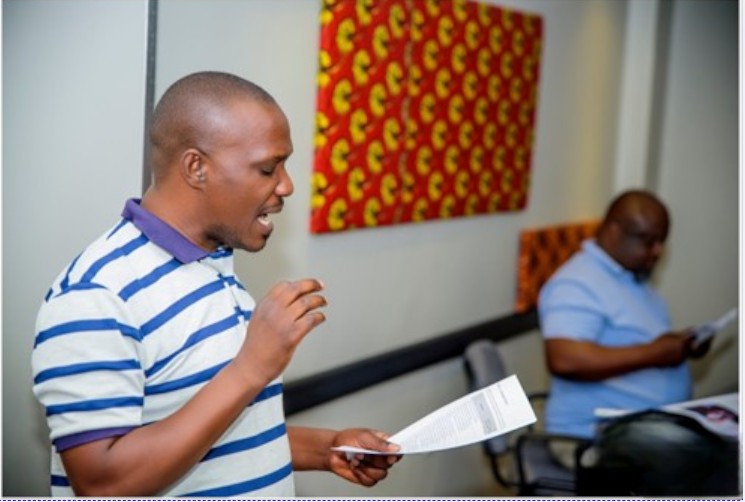
In Burundi, sexual and reproductive health remains a sensitive issue, shaped by deep-rooted social and institutional resistance, particularly around the concept of abortion. Civil society organizations (CSOs), though key players in advocacy, have long faced bias, stigma, and legal constraints that limit their ability to act effectively. Through its collaboration in the WISH 2 project, funded by the UK Foreign, Commonwealth & Development Office (FCDO), Ipas Burundi has built a powerful foundation for bold leadership and transformative change in the country’s reproductive health landscape. This strategic partnership has enabled Ipas to champion rights-based approaches, strengthen civil society engagement, and challenge harmful norms that hinder access to care. Since the beginning of this year, Ipas has strengthened the capacities of 27 key actors, primarily civil society leaders, through VCAT workshops, multi-stakeholder dialogues, and a legal review on sexual and reproductive health. These interventions have helped dismantle misconceptions and prejudices, foster a clearer understanding of Burundi’s legal framework on abortion, and promote more open and progressive attitudes. The outcomes of Ipas Burundi’s recent interventions have been both transformative and deeply encouraging in advancing reproductive rights and expanding access to high-quality, non-discriminatory post-abortion care (PAC). As a result of targeted training: 15 participants now possess a clear and accurate understanding of Burundi’s legal framework for abortion, particularly the provision for therapeutic abortion.12 participants have publicly adopted less stigmatizing attitudes and 8 participants have pledged active support for political or community-led initiatives aimed at improving reproductive health access. These shifts, captured through pre- and post-training assessments, individual evaluations, and qualitative observations, underscore the tangible impact of Ipas’s work. They illustrate how informed dialogue, and critical reflection can reshape perspectives and spark bold, values-driven leadership. At a pivotal moment for reproductive rights advocacy in Burundi, these results represent a meaningful stride toward building a more supportive and rights-affirming ecosystem. “Before participating in the workshops, I carried my own doubts and prejudices about abortion; it was a subject shrouded in silence and stigma. But the VCAT sessions facilitated by Ipas opened my eyes to a new perspective. I was able to unpack my biases, connect with the real-life experiences of women, and re-center my thinking around their rights and dignity. Today, my peers and I feel empowered to advocate with confidence, grounded in human rights, even when facing resistance. We now have the tools and convictions to challenge stigma and push for a more just society, where access to post-abortion care is recognized not as a privilege, but as a fundamental right.” These transformations highlight a key lesson: training and dialogue are powerful tools for inspiring engaged leadership capable of shifting mindsets and building a more just environment for reproductive rights. Despite enduring challenges, including social stigma, ideological resistance, and pressure from anti-rights movements, Ipas Burundi and its partners remain steadfast in their mission to advance reproductive justice. Through a strategic blend of capacity strengthening, targeted advocacy, and grassroots mobilization, they are actively shaping a more enabling environment for equitable, stigma-free access to high-quality post-abortion care. These efforts are not only helping to confront entrenched resistance but also laying the groundwork for sustained progress toward a more supportive legal, political, and social framework for sexual and reproductive health and rights in Burundi.
26 September 2025
World Contraception Day 2025 Message
From the WISH 2 Team Lead Today, on World Contraception Day, we reaffirm our collective commitment to ensuring that contraception is recognized and realized as a right, a responsibility, and a reality for all. Since its launch in 2007, World Contraception Day has been commemorated every year on 26 September, making 2025 the 19th annual global observance of this important campaign to raise awareness and advance SRHR. The day reminds us of the power of choice and the transformative impact of SRHR on individuals, families, and communities. Access to safe, voluntary, and high-quality contraception is not only a health imperative, but also a pathway to dignity, equity, and opportunity. Under the WISH 1 (WISH2Action) project, 3.6 million additional family planning users were reached, an estimated 22 million maternal deaths, 4.3 million unsafe abortions, 13.2 million unintended pregnancies, and 19.2 million disability-adjusted life years were averted, a powerful demonstration of the lifesaving impact of sustained investment in SRHR. Building on this momentum, WISH 2 East and Southern Africa, set targets to reach 4.2 million family planning users, with the intention of preventing 3.2 million unintended pregnancies, 1 million unsafe abortions, and 5,600 maternal deaths across seven countries in Eastern and Southern Africa. Since the start of the project, WISH 2 has reached 169,590 annualised clients as at the end of June 2025. Through this project, we remain committed to expanding access to sexual and reproductive health services across Eastern and Southern Africa, with a particular focus on fragile and humanitarian settings where women, adolescents, and marginalised groups face the greatest barriers. By strengthening service delivery, advancing social and behaviour change, advocating for enabling policies, and generating evidence for learning, WISH 2 is ensuring that no one is left behind in the pursuit of sexual and reproductive health and rights. Central to this effort is strong partnership with governments, whose leadership and stewardship are essential for sustaining progress. WISH 2 works hand in hand with national and local authorities to complement their strategies and contribute to country-led priorities for universal access to contraception and broader SRHR. Yet, these gains are under threat. Global funding for SRHR is declining, undermining women’s rights, equity, and agency, and putting millions at risk of preventable harm. As we mark this 19th World Contraception Day, we call on governments, donors, and partners to renew their commitment to SRHR. Together, we can ensure that contraception remains accessible, affordable, and inclusive, empowering every individual to make informed choices about their bodies and futures. On this day, we celebrate the dedication of our partners, country teams including Member Associations, stakeholders who support the cause and frontline providers who work tirelessly to make contraceptive services more inclusive, resilient, and rights based. Together, we are creating a future where every individual, regardless of circumstance, can make informed choices about their reproductive health. Let us continue to learn, innovate, and act so that contraception is recognized not only as a method of family planning, but as a fundamental right for all. Contraception is not just health care, it is a right, a responsibility, and a reality we must protect and advance. Happy World Contraception Day!

24 September 2024
Major New Health Programme to Expand Sexual and Reproductive Health Services in East and Southern Africa
Nairobi, 23 September 2024 – A groundbreaking £75.125 million project has been announced by the International Planned Parenthood Federation (IPPF) and its partners, the International Rescue Committee (IRC), Options, Ipas, and Johns Hopkins University Centre for Communication Programmes, to transform sexual and reproductive health services across East and Southern Africa. This large-scale initiative will benefit seven countries, supporting millions of women, girls, and vulnerable communities in Burundi, Ethiopia, Madagascar, Somalia, South Sudan, Sudan, and Zambia. This programme, known as Women’s Integrated Sexual Health 2 (WISH 2) Lot 2, is funded by the UK Foreign, Commonwealth and Development Office (FCDO). As part of FCDO WISH Dividend, it builds on the successes of FCDO’s £272 million Women’s Integrated Sexual Health (2018-2024) programme, which spanned 27 countries across Africa and Asia. Over its lifespan, the first WISH programme supported over an estimated 16.9 million women and girls, helping them gain access to critical SRHR services. FCDO’s continued partnership with IPPF for this next phase of WISH was unveiled by FCDO's Chris Carter, on behalf of the UK Minister for Africa, Lord Collins, during the United Nations General Assembly (UNGA) side event, “SRHR: Securing reproductive choice for the next generation.” Announcing FCDO’s partnerships with IPPF, MSI Reproductive Choices and the Children's Investment Fund Foundation, Chris Carter noted the new programme will play a critical role in increasing women's voice, choice and control across 13 countries in Africa.” With the goal of delivering over seven million ‘couple years protection,’ the programme will address critical healthcare gaps, promote reproductive choice, and tackle harmful social norms. It will also provide urgent support to improve policies, strengthen health systems, and safeguard the reproductive rights of women and girls, especially in areas affected by conflict and displacement. At the heart of this initiative is a focus on reaching the most marginalised groups, including young women and girls under 20, those living in poverty, people with disabilities, and communities in conflict zones. Importantly, WISH2 will also work to improve access to safe abortion care and counteract the growing threats to women’s and girls' sexual and reproductive health rights. IPPF Director General Dr Alvaro Bermejo emphasised the critical need to protect and expand access to SRHR. “WISH2 will continue our mission of empowering women and girls across Africa to unlock their full potential. We will not only tackle the rollback of SRHR rights but also strengthen disability inclusion while delivering sustainable healthcare solutions,” said Dr Bermejo. “We’re grateful to the UK Government for their unwavering support in this important work.” Elshafie Mohamed Ali, Executive Director of Sudan Family Planning Association (SFPA) said “WISH2 is essential given Sudan’s current circumstances, particularly the ongoing conflict since April 15, 2023. The programme addresses the growing need for sexual and reproductive health services, offering crucial support to vulnerable communities amidst increasing instability and humanitarian challenges.” Chris Carter, Deputy Director, Head of Human Development Department, highlighted the impact of this new initiative: “Access to sexual and reproductive health services saves lives, empowers women and girls, and supports education, transforming lives and entire livelihoods. This project will amplify women’s voice, choice, and control across Africa, and we are proud to partner with IPPF and African organizations in this critical mission.” For media enquiries, please contact [email protected]

04 February 2021
IPPFAR Statement on World Cancer Day 2021
Every year on 4 February, IPPF Africa Region joins the world in marking the World Cancer Day. This is a day set aside to draw attention to the cancer disease and encourage action towards a future free of cancer. This year’s theme is ‘I Am and I Will’, which encourages personal initiative to take the necessary action to combat cancer. Cancer is one of the leading causes of morbidity and mortality worldwide, with approximately 70% of deaths from the disease occurring in low-and middle-income countries, according to the World Health Organization. As a fast-rising major public health concern in many developing countries, cancer leaves behind devastating effects on families, communities and economies. Yet, if detected and treated early, many cancer deaths can be averted. Early diagnosis however remains a great challenge in sub-Saharan Africa. In addition to lack of awareness about cancer risk factors, many health systems across the continent are not fully capable of meeting the demands of early diagnosis, testing, treatment and management. At IPPF Africa Region, we complement government efforts in addressing the health challenges in sub-Saharan Africa. Through our Member Associations (MAs) in 39 countries, we work with different partners: both in the public and private sectors in providing sexual and reproductive health services. One of our focus areas is reproductive health cancers, including breast cancer, cervical cancer, ovarian cancer and prostate cancer. Through our static clinics, mobile clinics and other outreach strategies, our MAs continually create awareness about cancer, by providing information on prevention, risk factors and where they can access related services. Our MAs also offer cancer-related services including visual inspection with acetic acid (VIA) for cervical cancer screening, HPV testing, mammogram screening for breast cancer, and referrals for surgery, radiotherapy, chemotherapy and further management. Between 2017 – 2019, IPPF Africa Region saw an estimated 4,278,029 women tested for cervical cancer. A further estimated 2,398,576 people were tested for breast cancer. Through our clinics, an estimated 97,496 people underwent surgical treatment in the same period. Our contribution to such cancer data is important for the development of cancer control programmes and creation of cancer policies. We are also involved in cancer surveillance and research activities that inform the development of reproductive cancer drugs and vaccines. Our advocacy efforts include calling on African leaders to prioritize the health agenda in their countries and follow up on their commitment to various health instruments such as the Abuja Declaration. The Abuja declaration requires African countries to commit at least 15% of their annual budgets to improving the health sector. The health of any country begins with an individual so on this day, we urge all of us to make a personal commitment to take various actions that will reduce the cancer burden in our countries. It is our responsibility to ensure that we go for regular screening and testing, avoid risk factors that predispose one to cancer, advocate for cancer prevention, treatment and management, including speaking out in support of research, as well as advocate for the implementation of international commitments to health care in our countries. What we do today matters towards the realization of a cancer-free future.
31 January 2022
Humanitarian Capacity Development Center
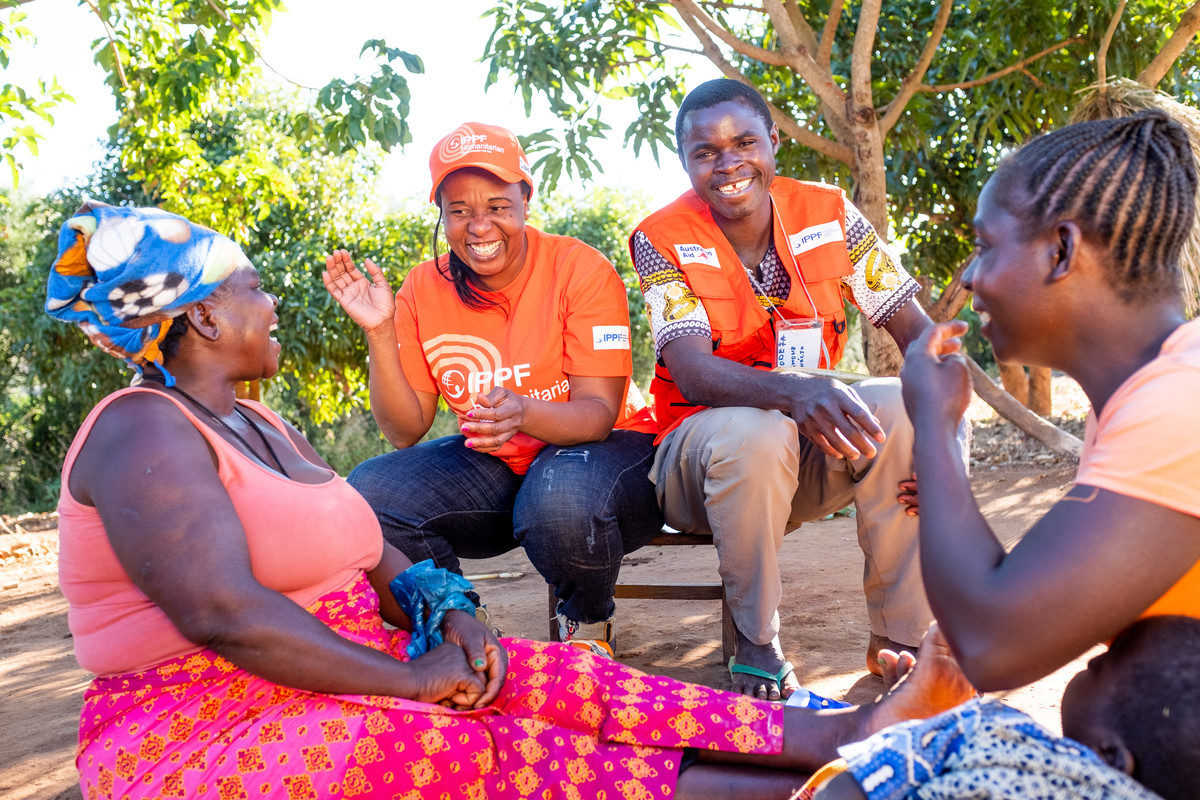
The project aims to strengthen the capacity of 6 MAs in and SARO to deliver high-quality SRH services in crises. Budget: 770,000 USD Donor: IPPF Solutions 2 Timeline: 2 Years ( March 2020–Dec 2022 ) Project implementation areas: Burkina Faso, Burundi, CAR, Maldives, Sudan, and Yemen Partners: UNFPA and national humanitarian actors Other interesting information: The project is designed to be led by MAs, as part of the Member Association-centric approach, with support from the regional offices and the Global Humanitarian Team. Innovative approaches: Operational research will be useful for measuring interventions’ impact and will highlight key challenges, suggest areas of improvement and good practices. Inclusion of LGBTQUIA and organisation's of persons with Disabilities in preparedness and planning. Lessons learned: Language barrier is a serious risk to project implementation if not properly addressed at design stage. Translation and interpretation costs should be significantly budgeted for when engaging English and French-speaking MAs as key project implementers.
12 May 2019
Implementation of The Evidence for Contraceptive Options and HIV Outcomes (ECHO) Trial In Eswatini
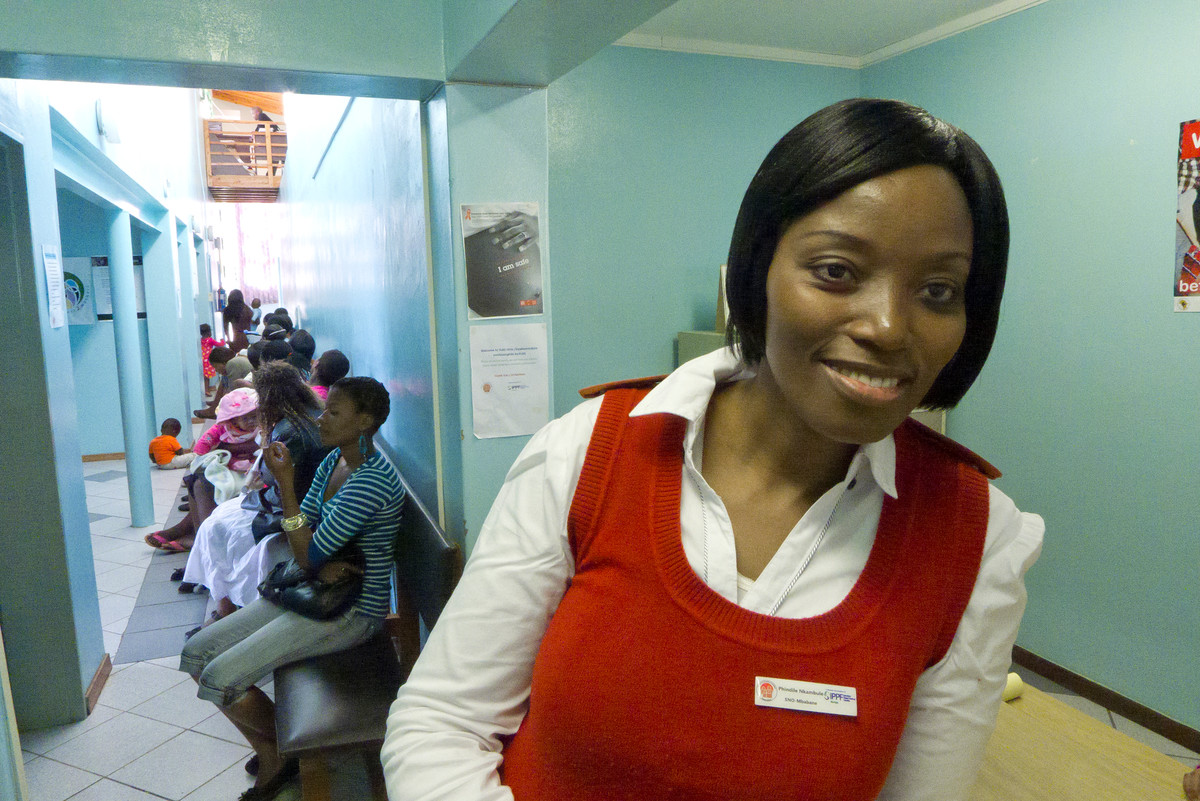
For over 25 years, the world has lived with uncertainty over whether the use of hormonal contraceptives increases HIV risk. This led to the development of the Evidence for Contraceptive Options and HIV Outcomes (ECHO) trial, with the aim of helping to clarify this critical public health concern. The ECHO trial is an open-label randomised clinical trial that compares three highly effective, reversible contraceptive methods to determine if there is a link between the use of any of these methods to an increased risk of HIV acquisition. ECHO seeks to determine the possible risks (HIV acquisition) and benefits (pregnancy prevention) of the three commonly used effective contraceptive methods among women who desire contraception. Study Locations The study took place in 12 sites in four countries across Eastern and Southern Africa -Eswatini (Swaziland), Kenya, South Africa and Zambia between December 2015 and October 2018. A total of 7,830 women aged 16-35 years were enrolled in the ECHO trial. They were randomly assigned to the three contraceptive methods. ECHO Trial Concerns Prior to the start of the trial, some concerns were raised about the feasibility of the study. These included: a) The feasibility of enrolling and randomizing 7,800 women to different contraceptive methods b) Achieving high contraceptive method continuation in the trial Addressing the first concern, the ECHO trial emphasized enrolling only women who were genuinely willing to use any of the three methods. Those who appeared to favor one method over another were counselled and discouraged from enrolling. During screening, women received extensive counseling on all the risks and benefits associated with each study method. After screening, they returned to the study site within 42 days. This period allowed them time to reflect on their participation in the study and their willingness to use any of the three methods. It also helped in necessitating their return to the study site to voluntarily enroll in the study. The study metrics agreed upon prior to the study specified an acceptable enrolment rate and rate of refusal to be randomized. With this regard, plans were put in place to stop the trial if enrolment performance was poor. On 12 September 2017, the ECHO trial closed recruitment, having randomized 7,830 women with low refusal rates at global level. FLAS’s Participation In the Kingdom of Eswatini, IPPF’s Member Association -the Family Life Association of Swaziland (FLAS) participated in the ECHO trial. In this implementation site, 502 women were randomized - also with low refusal rates. Thus, the ECHO trial was established as one with feasible enrolment rates, with the ability to randomize women to contraceptives and still achieve high retention rates. FLAS implemented this study in partnership with ICAP Eswatini and the Ministry of Health. The ECHO trial results will be released in the coming months. This was a first clinical trial for the country and therefore, there was so much to learn for both the ethics committee, researchers and service providers who participated in the study. There was also plenty for FLAS to learn from and share. UPDATE: ECHO STUDY RESULTS (JUNE 2019) The results of the ECHO study were published on 13 June 2019. The study found no significant difference in risk of HIV infection among women using one of the contraceptive methods. Speaking following the announcement of the study results, Ms. Zelda Nhlabatsi, FLAS Executive Director said: “FLAS is happy to have been part of this study that contributed to clarifying a global concern; the uncertainty of whether hormonal contraceptives increase the risk of HIV acquisition. Even though the ECHO results have indicated that the hormonal contraceptives do not increase the risk of HIV acquisition, the study also revealed a high HIV incidence among the study population, which indicates the need to emphasize dual protection (condoms and family planning) among women who seek contraceptives. The message from this study is clear – condoms remain important when you take contraceptives.” The participation of FLAS in the ECHO trial was identified as one of the Member Association’s Good Practices during the 3rd Cycle of Accreditation. A Good Practice is an activity or practice that has been proven to work and yields positive results. The sharing of Good Practices by IPPF Member Associations offers learning experiences for their counterparts. Featured photo: clinician in a waiting room full with women on the background. Photo credit: IPPF/NancyDurrellMcKenna/Swaziland See other Good Practices from our Member Associations: Partnership with Armed Rebel Groups in the Provision of SRH Services in Crisis Situations: The Central African Republic (CAR) Experience Leading Efforts to End Child Marriage: The Case of Senior Chief Theresa Kachindamoto of Malawi Mobile Clinics in Cape Verde: Taking Services Closer to the People Awarding the Best Performing Clinics: Lesotho Planned Parenthood Association (LPPA) What’s in a Game? ABUBEF’s use of Playing Cards for Youth SRHR Education For more information about the work of IPPF Africa Region, follow us on Facebook and Twitter.

18 October 2018
What’s in a Game? ABUBEF’s use of Playing Cards for Youth SRHR Education
IPPF’s Member Association (MA) in Burundi - Association Burundaise pour le Bien-Etre Familial (ABUBEF) complements the government’s efforts in meeting the health needs of the population. This it does through implementation of various programs and projects whose focus is largely on the provision of Sexual Reproductive Health (SRH) information and quality services. ABUBEF prioritizes adolescents and youth in its programmes, and has over the years initiated several innovative SRH approaches aimed at empowering adolescents and young people to make healthy and informed decisions about their sexual and reproductive health. Through its programs, ABUBEF has made significant progress in promoting positive sexual health behaviour and combating HIV and AIDS among young people through different Information Education and Communication (IEC) material. Playing Cards Through youth centers, ABUBEF raises awareness about sexual health among youth through games. One such game is a deck of ‘Playing Cards’ that contain a variety of powerful, positive messages about sexuality and reproductive health; told in a creative and simple language that is friendly and likeable with the youth. The playing cards, which are a favourite activity for adolescents and youth to play during their free time and over the holidays, contain information on different topics such as abstinence, relationships, faithfulness, family planning, HIV and AIDS prevention, unwanted pregnancy, sexual violence and use of condoms. The messages contained in each card help to provoke discussions among the youth on sensitive topics about reproductive health. As they discuss the challenges, dilemmas and choices about sexuality, the cards promote critical thinking by the young people, encouraging them to explore solutions to the difficult situations they may find themselves in, change their attitudes and develop positive opinions about sexual health. The ‘Playing Cards’ also help in dispelling myths, misconceptions and false information about sex among the youth. They help to promote responsible sexual knowledgeable behaviour among them. During the various interactions organized by ABUBEF with young people, it has been established that these ‘Playing Cards’ are a valued source of information for them. Their knowledge about sex, sexuality and different reproductive health concepts has been significantly increased through these cards. The ABUBEF ‘Playing Cards’ are distributed in all the attraction spots for young people, such as the ABUBEF youth centers, as well as other partner youth centers. This innovative concept of 'Playing Cards' to reach adolescents and youth in Burundi with information about their reproductive health was identified as one of ABUBEF’s Good Practices during the 3rd Cycle of Accreditation. A Good Practice is an activity or practice that has been proven to work and yields positive results. The sharing of Good Practices by IPPF Member Associations offers learning experiences for their counterparts. Also read: Mobile Clinics in Cape Verde: Taking Services Closer to the People Visit ABUBEF's website here. Connect with ABUBEF on Facebook here. For more information about the work of IPPF Africa Region, follow us on Facebook and Twitter.
09 July 2026
Country Success Story: Burundi
Rehema remembers the fear more than the pain. At eight months pregnant, living in Busuma refugee site in Burundi, she had already made the journey once, walking for hours under the heat to reach a health facility in another zone. It wasn’t just far. It was exhausting, uncertain, and sometimes impossible. "I kept thinking… when the time comes, will I make it?” she said." Busuma had quickly grown into a vast settlement, now home to around 65,000 Congolese refugees fleeing conflict across the border. Among them were more than a thousand pregnant women like Rehema, navigating displacement, uncertainty, and limited access to care. For those living in Zone B, the nearest health facility was too far. Many delayed seeking care. Some gave birth at home. Others took risks they couldn’t afford. Then something changed. With support from WISH 2, a new health centre with maternity services opened right in Zone B. It wasn’t just a building. It meant that care was finally within reach. By the time Rehema went into labor, she didn’t have to walk for hours. She didn’t have to choose between safety and distance. She went to the new facility. The lights were simple. The space was modest. But the care was there. "They welcomed me with care and compassion,” she said. “With their support, I gave birth to my baby safely.” For Rehema, that moment changed everything. She wasn’t alone. Skilled health providers were there. The risks that come with giving birth without assistance were no longer hers to carry. When her baby cried for the first time, it was not just relief. It was safety, dignity, and a sense of being seen. Before she left, the staff handed her a small package. A baby kit. Washing powder. A simple gesture, but one that stayed with her. "It made me feel cared for,” she said. “I thank them, and I hope they do the same for other women.” In its first month alone, the facility supported 28 safe deliveries like Rehema’s. It also provided care for survivors of violence, treated infections, and helped dozens of women access family planning for the first time. But beyond the numbers, the shift is something you feel in the community. Women no longer wait in fear. Community volunteers move through the settlement, checking on families, guiding them, referring them. There is a system now, one that connects people to care when they need it most. For Rehema, it comes down to something simple. "I didn’t have to walk alone.” And in a place shaped by displacement and uncertainty, that made all the difference. What happened in Busuma was more than just opening a health facility. For the first time under WISH 2 in Burundi, maternity services were established and made fully operational within a humanitarian setting, bringing safe delivery care closer to women who need it most. It changed how care is accessed. Women no longer had to travel long distances or take risks during labor. Instead, they could reach skilled providers within their own community, in time, and with dignity. At the same time, this experience became a learning moment for the programme. It offered practical insight into what it takes to run maternity services in fragile contexts, from staffing and clinical organization to building referral systems that actually work when conditions are unpredictable. It also strengthened how WISH 2 operates. Closer coordination between health providers, community structures, and programme teams made it possible to respond quickly, adapt when challenges arose, and maintain continuity of care even in a complex humanitarian environment.
24 February 2026
When Trust Lives Next Door: Strengthening Community-Led SRHR in a Refugee Setting - Burundi
At the edge of Musenyi Congolese refugee camp in Muyinga Province, life is shaped by uncertainty. Families displaced by conflict live with overcrowded shelters, food insecurity, and limited freedom of movement. In such a fragile humanitarian setting, decisions about sexual and reproductive health (SRH) are often pushed aside, not because they are unimportant, but because survival comes first. For adolescents, young women, women of reproductive age, and couples, access to SRHR services has long been constrained. Strong sociocultural and religious resistance, widespread rumours about contraception, fear of stigma, and the absence of trusted service providers within the camp meant that many women quietly carried an unmet need for family planning. “People used to say contraceptives would make women infertile or sick,” recalls Aline, a young mother living in Musenyi. “I wanted to space my children, but I was afraid. There was no one I trusted to ask and the weight of community gossip made the isolation even worse” The numbers told the same story. In August 2025, before WISH 2 interventions began, uptake of Sayana Press, a discreet, self-injectable contraceptive well suited to humanitarian contexts, was almost non-existent, only three adolescent users under 20 and 20 women aged 25 and above accessed the method. Demand existed, but access and trust did not. Recognising that facility-based services alone could not meet needs in a humanitarian setting, IPPF’s Member Association, the Association Burundaise pour le Bien-Etre Familial (ABUBEF), through the WISH 2 project, adopted a different approach, one that placed trust, proximity, and lived experience at the centre. 60 community health workers (CHWs), women and men drawn directly from the refugee community, were trained to provide accurate sexual and reproductive health and rights (SRHR) information, mobilise households, and deliver community-based distribution of contraceptives, with a focus on Sayana Press. The intervention was implemented in close collaboration with Burundi’s Ministry of Public Health, through the National Reproductive Health Programme, with technical support from national trainers and financial backing from WISH 2. For Jean-Claude, one of the newly trained CHWs, the shift was immediate: “Because I live here, people know me. They know my family and they see how I live. When I speak to them about family planning, they listen differently, with curiosity rather than suspicion. They ask questions they were too afraid to ask before about side effects and about their futures, because they know I have a stake in this community’s well-being just like they do.” Through community-level service delivery, WISH 2 complemented overstretched health facilities and overcame barriers linked to mobility, distance, and fear. The impact was visible within months. During supervised practical sessions, 300 Sayana Press injections were safely administered, with each trained CHW completing at least five validated injections. More importantly, trust began to replace fear. By December 2025, uptake had risen to 21 adolescent users and 121 women aged 25 and above, a significant shift from the earlier baseline and a clear sign of latent demand once barriers were addressed. Women reported greater confidence and autonomy in making reproductive choices. Rumours began to fade as accurate information spread through household visits, peer-to-peer conversations, and community dialogues. “Now I can talk openly,” says Aline. “The health worker is my neighbour. She explains everything. I chose Sayana Press because I feel safe and in control. Today, I realize that having the right information is the first step toward taking control of your own life.” This trust-based approach increased service uptake while strengthening community ownership and accountability. Building on these results, ABUBEF, through WISH 2, plans to institutionalise and scale this community-centred model to additional refugee camps, embedding people-led SRHR delivery within broader humanitarian health responses, demonstrating that in Musenyi, lasting change began not with infrastructure, but with neighbours empowered to restore choice and dignity.
17 November 2025
The Women’s Integrated Sexual Health (WISH) 2
Strengthening the enabling environment for SRHR and reinforcing health systems to deliver sustainable, inclusive access to integrated SRHR services with a special focus on humanitarian and fragile settings. The Women’s Integrated Sexual Health (WISH) project, championed by a ‘Leave No One Behind’ approach, advances quality, integrated, and inclusive family planning and sexual and reproductive health (SRHR) services tailored to the needs of marginalized and hard-to-reach populations. In Eastern Africa, WISH2 builds on proven strategies and successes to extend access for populations often overlooked, young people, persons with disabilities, those living in poverty, and communities affected by conflict or displacement. Donor: Foreign, Commonwealth and Development Office (FCDO) Budget: Total budget of £ 75 million for East and Southern Africa Duration: 2024 to 2029 Funded by the UK Foreign, Commonwealth & Development Office (FCDO) and representing a significant commitment within the UK Government’s family planning framework, the WISH2 Eastern Africa initiative is led by the International Planned Parenthood Federation (IPPF) and executed by a dedicated consortium with partners including the International Rescue Committee (IRC), IPAS, Options Consultancy Services, and the Johns Hopkins Center for Communication Programs (JHU-CCP). Background on WISH 1 to WISH 2 Evolutions The Women's Integrated Sexual Health project was launched in 2018 as FCDO’s flagship initiative to expand access to voluntary family planning and sexual and reproductive health and rights services across 27 countries in Africa and Asia. The project was delivered in two parts, with Lot 2 (WISH2ACTION) implemented by a consortium led by IPPF, alongside MSI, Options, Humanity & Inclusion (HI), and IRC. WISH2ACTION aimed to deliver 16.921 million couple years of protection (CYPs) and reach 2.2 million additional users through a comprehensive approach to ensure equitable access to family planning and SRHR, prioritising youth under 20, the very poor, and marginalised populations including persons with disabilities and those in humanitarian or hard-to-reach settings. Its design integrated four core outputs: community and individual choice (Output 1), sustainability through national ownership (Output 2), access to quality services (Output 3), and global goods and evidence (Output 4). The success and learning from WISH2ACTION laid the foundation for WISH 2, which deepens focus on national systems strengthening, disability inclusion, safeguarding, and resilience in fragile contexts, ensuring SRHR remains a global priority while reaching those most at risk of being left behind. WISH 2 builds on successes and learning from WISH 1, while shifting toward greater national ownership, systems resilience, and sustainability. With a sharper focus on fragile and conflict-affected contexts, WISH 2 moves beyond service delivery to embedding SRHR within national policy frameworks, strengthening accountability, and enhancing inclusion through the systematic integration of disability rights, safeguarding, and climate-sensitive approaches. It places greater emphasis on evidence generation, adaptive learning, and localised solutions, ensuring that services are not only available but also accessible, equitable, and responsive to community needs. WISH 2 represents a strategic evolution, aligning with global priorities to “leave no one behind” while reinforcing SRHR as a critical component of universal health coverage and sustainable development. 2. Where We Work Geographic Footprint WISH 2 Eastern and Southern Africa works across seven countries including, Burundi Ethiopia Madagascar Somalia South Sudan Sudan Zambia Each country’s approach is adapted to local priorities and contexts, ensuring that interventions are both efficient and community responsive. 3. Leaving No One Behind WISH 2 Eastern and Southern Africa is committed to ensuring that every individual, especially those frequently marginalized, is empowered to access life-changing SRHR services. Our integrated approach prioritizes: Women Women, particularly those from economically disadvantaged backgrounds or living in patriarchal community, continue to face systemic barriers to SRHR services. WISH2 prioritizes their needs through respectful, client-centred care that is non-judgmental, confidential, and accessible. Services are tailored to uphold women's autonomy, support informed decision-making, and respond to gender-based disparities, including the risk of sexual and gender-based violence (SGBV). Meeting the Needs of Youth Under 20 In Eastern and Southern Africa, millions of youths, especially adolescents, encounter significant challenges in accessing accurate information and quality SRHR care. WISH2 provides youth-friendly, confidential, and age-appropriate services and education, ensuring young people are empowered to make informed decisions about their bodies, relationships, and futures. The project works closely with schools, youth-led organizations, and communities to create safe spaces for dialogue and service delivery. Reaching People Living with Disabilities People with disabilities face intersecting layers of exclusion in accessing health care, including physical, attitudinal, and informational barriers. WISH2 collaborates with Organizations of Persons with Disabilities (OPDs) to co-design inclusive interventions. This includes training service providers on disability rights and stigma reduction, adapting communication materials, and ensuring health facilities are physically and socially accessible. Serving to Reach the Last Mile In rural, remote, and impoverished communities, access to SRHR services remains limited. WISH2 uses poverty mapping, mobile outreach, and community-based service models to reach populations often overlooked by mainstream health systems. By partnering with local actors, such as community health workers, faith leaders, and women's groups, the project ensures culturally sensitive and sustainable service delivery in the hardest-to-reach areas. Health System Resilience During Crises Fragile and conflict-affected settings such as Ethiopia, Somalia, Sudan and South Sudan require adaptable and responsive health strategies. WISH2 brings services closer to displaced and crisis-affected populations through mobile clinics, referral linkages, and community-based distribution models. These approaches ensure continuity of care, particularly for women and girls who are most at risk during humanitarian emergencies. This focus on equity ensures that even the most vulnerable groups benefit from and contribute to their communities’ overall health and well-being. 4. Our Approach The WISH 2 project adopts Cluster Model 2.0 as a strategic approach to enhance coordination, collaboration, and efficiency among implementing partners across project countries. This updated model builds lessons from earlier phases by fostering cross-country learning and technical exchange within defined clusters, each comprising countries with similar contextual realities, such as humanitarian settings, fragile contexts, or policy environments. Cluster Model 2.0 places greater emphasis on peer-to-peer support, decentralised learning, and adaptive programming, ensuring that innovations and evidence-based practices are shared and applied in real time. It also strengthens joint planning, monitoring, and reporting mechanisms, promoting a unified and responsive delivery of SRHR services tailored to each context while maintaining alignment with the overall project strategy. Strategic Focus through Four Interlinked Outputs WISH 2 Eastern and Southern Africa is anchored on a multi-pronged approach, organized around four strategic outputs: Output 1: Social Behaviour Change (SBC) and Social Norms Led by JHU-CCP Focuses on increasing awareness, demand, and acceptance of modern contraceptive use through evidence-based communication and community engagement. Promotes positive SRHR attitudes and behaviours. Addresses gender and social barriers, myths, and misconceptions. Engages men, youth, religious, and community leaders to drive social norm change. Address harmful gender norms and stigma while promoting shared decision-making in family planning. Output 2: Access to Inclusive and Integrated SRHR Services Led by IPPF, with contributions from IRC Ensures that women, girls, and marginalized populations can access quality, affordable SRHR services. Strengthens service delivery, especially in fragile and humanitarian contexts. Maintain robust monitoring systems to track service delivery quality and client outcomes. Promotes disability inclusion and youth-friendly services. Integrates FP/SRHR with other health services (SGBV response). Enhance service delivery through capacity building, client-centred practices, and mobile outreach tailored to youth, people with disabilities, and conflict-affected communities. Output 3: Policy and Systems Environment Strengthening Policy, Advocacy, and Systems Led by IPAS & Options Consultancy Services Strengthens national and subnational policies, systems, and partnerships that support SRHR. Advocates for inclusive, rights-based SRHR policies. Builds government and civil society capacity. Fosters sustainability through domestic financing and coordination. Offer technical support for policy development, budget advocacy, and strategic planning. Build capacities of national health systems and local governments to ensure long-term sustainability. Output 4: Evidence and Learning Focuses Evidence-Driven Learning and Knowledge Sharing Led by Oxford Policy Management (OPM) Enhances the evidence generation, use, and dissemination to inform programme adaptation and SRHR advocacy. Utilise data to inform continuous project improvement and monitor key performance indicators. Use operational research to influence policy and programme design. Promote adaptive learning, knowledge management and facilitate cross-learning exchanges. Generate knowledge products and global goods 5. Partners The success of WISH 2 Eastern and Southern Africa rests on a robust partnership model that combines technical expertise in clinical service delivery, health systems strengthening, policy advocacy, and strategic communications. Consortium Members: IPPF (Lead): Oversees project strategy, quality assurance, and inclusive service delivery. International Rescue Committee (IRC): Implements conflict-responsive programming and community-based outreach. IPAS: Provides comprehensive safe abortion care and post-abortion services where legally permissible. Options Consultancy Services: Drives policy reform, systems strengthening, and governance enhancement to support sustainable SRHR outcomes. Johns Hopkins Center for Communication Programs (JHU-CCP): Leads on social and behaviour change initiatives that reshape social norms and empower communities. Together, these partners harness their individual and collective strengths to ensure the project’s impact is broad, sustainable, and transformative. 6. WISH 2 Targets and Results The project’s impact is measured using key performance indicators (KPIs), including: Couple Years of Protection (CYPs): Estimates the duration of protection provided by various contraceptive methods. Youth Reach: Tracks the number of young people accessing SRHR information and services. Sustainability: Assesses the extent to which interventions, systems, and partnerships are maintained beyond project implementation. Regular updates and dynamic dashboards capture these metrics, ensuring transparency and accountability to stakeholders and clients alike.
03 November 2025
Shifting Perspectives: Building Bold Leadership for Reproductive Rights in Burundi
In Burundi, sexual and reproductive health remains a sensitive issue, shaped by deep-rooted social and institutional resistance, particularly around the concept of abortion. Civil society organizations (CSOs), though key players in advocacy, have long faced bias, stigma, and legal constraints that limit their ability to act effectively. Through its collaboration in the WISH 2 project, funded by the UK Foreign, Commonwealth & Development Office (FCDO), Ipas Burundi has built a powerful foundation for bold leadership and transformative change in the country’s reproductive health landscape. This strategic partnership has enabled Ipas to champion rights-based approaches, strengthen civil society engagement, and challenge harmful norms that hinder access to care. Since the beginning of this year, Ipas has strengthened the capacities of 27 key actors, primarily civil society leaders, through VCAT workshops, multi-stakeholder dialogues, and a legal review on sexual and reproductive health. These interventions have helped dismantle misconceptions and prejudices, foster a clearer understanding of Burundi’s legal framework on abortion, and promote more open and progressive attitudes. The outcomes of Ipas Burundi’s recent interventions have been both transformative and deeply encouraging in advancing reproductive rights and expanding access to high-quality, non-discriminatory post-abortion care (PAC). As a result of targeted training: 15 participants now possess a clear and accurate understanding of Burundi’s legal framework for abortion, particularly the provision for therapeutic abortion.12 participants have publicly adopted less stigmatizing attitudes and 8 participants have pledged active support for political or community-led initiatives aimed at improving reproductive health access. These shifts, captured through pre- and post-training assessments, individual evaluations, and qualitative observations, underscore the tangible impact of Ipas’s work. They illustrate how informed dialogue, and critical reflection can reshape perspectives and spark bold, values-driven leadership. At a pivotal moment for reproductive rights advocacy in Burundi, these results represent a meaningful stride toward building a more supportive and rights-affirming ecosystem. “Before participating in the workshops, I carried my own doubts and prejudices about abortion; it was a subject shrouded in silence and stigma. But the VCAT sessions facilitated by Ipas opened my eyes to a new perspective. I was able to unpack my biases, connect with the real-life experiences of women, and re-center my thinking around their rights and dignity. Today, my peers and I feel empowered to advocate with confidence, grounded in human rights, even when facing resistance. We now have the tools and convictions to challenge stigma and push for a more just society, where access to post-abortion care is recognized not as a privilege, but as a fundamental right.” These transformations highlight a key lesson: training and dialogue are powerful tools for inspiring engaged leadership capable of shifting mindsets and building a more just environment for reproductive rights. Despite enduring challenges, including social stigma, ideological resistance, and pressure from anti-rights movements, Ipas Burundi and its partners remain steadfast in their mission to advance reproductive justice. Through a strategic blend of capacity strengthening, targeted advocacy, and grassroots mobilization, they are actively shaping a more enabling environment for equitable, stigma-free access to high-quality post-abortion care. These efforts are not only helping to confront entrenched resistance but also laying the groundwork for sustained progress toward a more supportive legal, political, and social framework for sexual and reproductive health and rights in Burundi.
26 September 2025
World Contraception Day 2025 Message
From the WISH 2 Team Lead Today, on World Contraception Day, we reaffirm our collective commitment to ensuring that contraception is recognized and realized as a right, a responsibility, and a reality for all. Since its launch in 2007, World Contraception Day has been commemorated every year on 26 September, making 2025 the 19th annual global observance of this important campaign to raise awareness and advance SRHR. The day reminds us of the power of choice and the transformative impact of SRHR on individuals, families, and communities. Access to safe, voluntary, and high-quality contraception is not only a health imperative, but also a pathway to dignity, equity, and opportunity. Under the WISH 1 (WISH2Action) project, 3.6 million additional family planning users were reached, an estimated 22 million maternal deaths, 4.3 million unsafe abortions, 13.2 million unintended pregnancies, and 19.2 million disability-adjusted life years were averted, a powerful demonstration of the lifesaving impact of sustained investment in SRHR. Building on this momentum, WISH 2 East and Southern Africa, set targets to reach 4.2 million family planning users, with the intention of preventing 3.2 million unintended pregnancies, 1 million unsafe abortions, and 5,600 maternal deaths across seven countries in Eastern and Southern Africa. Since the start of the project, WISH 2 has reached 169,590 annualised clients as at the end of June 2025. Through this project, we remain committed to expanding access to sexual and reproductive health services across Eastern and Southern Africa, with a particular focus on fragile and humanitarian settings where women, adolescents, and marginalised groups face the greatest barriers. By strengthening service delivery, advancing social and behaviour change, advocating for enabling policies, and generating evidence for learning, WISH 2 is ensuring that no one is left behind in the pursuit of sexual and reproductive health and rights. Central to this effort is strong partnership with governments, whose leadership and stewardship are essential for sustaining progress. WISH 2 works hand in hand with national and local authorities to complement their strategies and contribute to country-led priorities for universal access to contraception and broader SRHR. Yet, these gains are under threat. Global funding for SRHR is declining, undermining women’s rights, equity, and agency, and putting millions at risk of preventable harm. As we mark this 19th World Contraception Day, we call on governments, donors, and partners to renew their commitment to SRHR. Together, we can ensure that contraception remains accessible, affordable, and inclusive, empowering every individual to make informed choices about their bodies and futures. On this day, we celebrate the dedication of our partners, country teams including Member Associations, stakeholders who support the cause and frontline providers who work tirelessly to make contraceptive services more inclusive, resilient, and rights based. Together, we are creating a future where every individual, regardless of circumstance, can make informed choices about their reproductive health. Let us continue to learn, innovate, and act so that contraception is recognized not only as a method of family planning, but as a fundamental right for all. Contraception is not just health care, it is a right, a responsibility, and a reality we must protect and advance. Happy World Contraception Day!
24 September 2024
Major New Health Programme to Expand Sexual and Reproductive Health Services in East and Southern Africa
Nairobi, 23 September 2024 – A groundbreaking £75.125 million project has been announced by the International Planned Parenthood Federation (IPPF) and its partners, the International Rescue Committee (IRC), Options, Ipas, and Johns Hopkins University Centre for Communication Programmes, to transform sexual and reproductive health services across East and Southern Africa. This large-scale initiative will benefit seven countries, supporting millions of women, girls, and vulnerable communities in Burundi, Ethiopia, Madagascar, Somalia, South Sudan, Sudan, and Zambia. This programme, known as Women’s Integrated Sexual Health 2 (WISH 2) Lot 2, is funded by the UK Foreign, Commonwealth and Development Office (FCDO). As part of FCDO WISH Dividend, it builds on the successes of FCDO’s £272 million Women’s Integrated Sexual Health (2018-2024) programme, which spanned 27 countries across Africa and Asia. Over its lifespan, the first WISH programme supported over an estimated 16.9 million women and girls, helping them gain access to critical SRHR services. FCDO’s continued partnership with IPPF for this next phase of WISH was unveiled by FCDO's Chris Carter, on behalf of the UK Minister for Africa, Lord Collins, during the United Nations General Assembly (UNGA) side event, “SRHR: Securing reproductive choice for the next generation.” Announcing FCDO’s partnerships with IPPF, MSI Reproductive Choices and the Children's Investment Fund Foundation, Chris Carter noted the new programme will play a critical role in increasing women's voice, choice and control across 13 countries in Africa.” With the goal of delivering over seven million ‘couple years protection,’ the programme will address critical healthcare gaps, promote reproductive choice, and tackle harmful social norms. It will also provide urgent support to improve policies, strengthen health systems, and safeguard the reproductive rights of women and girls, especially in areas affected by conflict and displacement. At the heart of this initiative is a focus on reaching the most marginalised groups, including young women and girls under 20, those living in poverty, people with disabilities, and communities in conflict zones. Importantly, WISH2 will also work to improve access to safe abortion care and counteract the growing threats to women’s and girls' sexual and reproductive health rights. IPPF Director General Dr Alvaro Bermejo emphasised the critical need to protect and expand access to SRHR. “WISH2 will continue our mission of empowering women and girls across Africa to unlock their full potential. We will not only tackle the rollback of SRHR rights but also strengthen disability inclusion while delivering sustainable healthcare solutions,” said Dr Bermejo. “We’re grateful to the UK Government for their unwavering support in this important work.” Elshafie Mohamed Ali, Executive Director of Sudan Family Planning Association (SFPA) said “WISH2 is essential given Sudan’s current circumstances, particularly the ongoing conflict since April 15, 2023. The programme addresses the growing need for sexual and reproductive health services, offering crucial support to vulnerable communities amidst increasing instability and humanitarian challenges.” Chris Carter, Deputy Director, Head of Human Development Department, highlighted the impact of this new initiative: “Access to sexual and reproductive health services saves lives, empowers women and girls, and supports education, transforming lives and entire livelihoods. This project will amplify women’s voice, choice, and control across Africa, and we are proud to partner with IPPF and African organizations in this critical mission.” For media enquiries, please contact [email protected]
04 February 2021
IPPFAR Statement on World Cancer Day 2021
Every year on 4 February, IPPF Africa Region joins the world in marking the World Cancer Day. This is a day set aside to draw attention to the cancer disease and encourage action towards a future free of cancer. This year’s theme is ‘I Am and I Will’, which encourages personal initiative to take the necessary action to combat cancer. Cancer is one of the leading causes of morbidity and mortality worldwide, with approximately 70% of deaths from the disease occurring in low-and middle-income countries, according to the World Health Organization. As a fast-rising major public health concern in many developing countries, cancer leaves behind devastating effects on families, communities and economies. Yet, if detected and treated early, many cancer deaths can be averted. Early diagnosis however remains a great challenge in sub-Saharan Africa. In addition to lack of awareness about cancer risk factors, many health systems across the continent are not fully capable of meeting the demands of early diagnosis, testing, treatment and management. At IPPF Africa Region, we complement government efforts in addressing the health challenges in sub-Saharan Africa. Through our Member Associations (MAs) in 39 countries, we work with different partners: both in the public and private sectors in providing sexual and reproductive health services. One of our focus areas is reproductive health cancers, including breast cancer, cervical cancer, ovarian cancer and prostate cancer. Through our static clinics, mobile clinics and other outreach strategies, our MAs continually create awareness about cancer, by providing information on prevention, risk factors and where they can access related services. Our MAs also offer cancer-related services including visual inspection with acetic acid (VIA) for cervical cancer screening, HPV testing, mammogram screening for breast cancer, and referrals for surgery, radiotherapy, chemotherapy and further management. Between 2017 – 2019, IPPF Africa Region saw an estimated 4,278,029 women tested for cervical cancer. A further estimated 2,398,576 people were tested for breast cancer. Through our clinics, an estimated 97,496 people underwent surgical treatment in the same period. Our contribution to such cancer data is important for the development of cancer control programmes and creation of cancer policies. We are also involved in cancer surveillance and research activities that inform the development of reproductive cancer drugs and vaccines. Our advocacy efforts include calling on African leaders to prioritize the health agenda in their countries and follow up on their commitment to various health instruments such as the Abuja Declaration. The Abuja declaration requires African countries to commit at least 15% of their annual budgets to improving the health sector. The health of any country begins with an individual so on this day, we urge all of us to make a personal commitment to take various actions that will reduce the cancer burden in our countries. It is our responsibility to ensure that we go for regular screening and testing, avoid risk factors that predispose one to cancer, advocate for cancer prevention, treatment and management, including speaking out in support of research, as well as advocate for the implementation of international commitments to health care in our countries. What we do today matters towards the realization of a cancer-free future.
31 January 2022
Humanitarian Capacity Development Center
The project aims to strengthen the capacity of 6 MAs in and SARO to deliver high-quality SRH services in crises. Budget: 770,000 USD Donor: IPPF Solutions 2 Timeline: 2 Years ( March 2020–Dec 2022 ) Project implementation areas: Burkina Faso, Burundi, CAR, Maldives, Sudan, and Yemen Partners: UNFPA and national humanitarian actors Other interesting information: The project is designed to be led by MAs, as part of the Member Association-centric approach, with support from the regional offices and the Global Humanitarian Team. Innovative approaches: Operational research will be useful for measuring interventions’ impact and will highlight key challenges, suggest areas of improvement and good practices. Inclusion of LGBTQUIA and organisation's of persons with Disabilities in preparedness and planning. Lessons learned: Language barrier is a serious risk to project implementation if not properly addressed at design stage. Translation and interpretation costs should be significantly budgeted for when engaging English and French-speaking MAs as key project implementers.
12 May 2019
Implementation of The Evidence for Contraceptive Options and HIV Outcomes (ECHO) Trial In Eswatini
For over 25 years, the world has lived with uncertainty over whether the use of hormonal contraceptives increases HIV risk. This led to the development of the Evidence for Contraceptive Options and HIV Outcomes (ECHO) trial, with the aim of helping to clarify this critical public health concern. The ECHO trial is an open-label randomised clinical trial that compares three highly effective, reversible contraceptive methods to determine if there is a link between the use of any of these methods to an increased risk of HIV acquisition. ECHO seeks to determine the possible risks (HIV acquisition) and benefits (pregnancy prevention) of the three commonly used effective contraceptive methods among women who desire contraception. Study Locations The study took place in 12 sites in four countries across Eastern and Southern Africa -Eswatini (Swaziland), Kenya, South Africa and Zambia between December 2015 and October 2018. A total of 7,830 women aged 16-35 years were enrolled in the ECHO trial. They were randomly assigned to the three contraceptive methods. ECHO Trial Concerns Prior to the start of the trial, some concerns were raised about the feasibility of the study. These included: a) The feasibility of enrolling and randomizing 7,800 women to different contraceptive methods b) Achieving high contraceptive method continuation in the trial Addressing the first concern, the ECHO trial emphasized enrolling only women who were genuinely willing to use any of the three methods. Those who appeared to favor one method over another were counselled and discouraged from enrolling. During screening, women received extensive counseling on all the risks and benefits associated with each study method. After screening, they returned to the study site within 42 days. This period allowed them time to reflect on their participation in the study and their willingness to use any of the three methods. It also helped in necessitating their return to the study site to voluntarily enroll in the study. The study metrics agreed upon prior to the study specified an acceptable enrolment rate and rate of refusal to be randomized. With this regard, plans were put in place to stop the trial if enrolment performance was poor. On 12 September 2017, the ECHO trial closed recruitment, having randomized 7,830 women with low refusal rates at global level. FLAS’s Participation In the Kingdom of Eswatini, IPPF’s Member Association -the Family Life Association of Swaziland (FLAS) participated in the ECHO trial. In this implementation site, 502 women were randomized - also with low refusal rates. Thus, the ECHO trial was established as one with feasible enrolment rates, with the ability to randomize women to contraceptives and still achieve high retention rates. FLAS implemented this study in partnership with ICAP Eswatini and the Ministry of Health. The ECHO trial results will be released in the coming months. This was a first clinical trial for the country and therefore, there was so much to learn for both the ethics committee, researchers and service providers who participated in the study. There was also plenty for FLAS to learn from and share. UPDATE: ECHO STUDY RESULTS (JUNE 2019) The results of the ECHO study were published on 13 June 2019. The study found no significant difference in risk of HIV infection among women using one of the contraceptive methods. Speaking following the announcement of the study results, Ms. Zelda Nhlabatsi, FLAS Executive Director said: “FLAS is happy to have been part of this study that contributed to clarifying a global concern; the uncertainty of whether hormonal contraceptives increase the risk of HIV acquisition. Even though the ECHO results have indicated that the hormonal contraceptives do not increase the risk of HIV acquisition, the study also revealed a high HIV incidence among the study population, which indicates the need to emphasize dual protection (condoms and family planning) among women who seek contraceptives. The message from this study is clear – condoms remain important when you take contraceptives.” The participation of FLAS in the ECHO trial was identified as one of the Member Association’s Good Practices during the 3rd Cycle of Accreditation. A Good Practice is an activity or practice that has been proven to work and yields positive results. The sharing of Good Practices by IPPF Member Associations offers learning experiences for their counterparts. Featured photo: clinician in a waiting room full with women on the background. Photo credit: IPPF/NancyDurrellMcKenna/Swaziland See other Good Practices from our Member Associations: Partnership with Armed Rebel Groups in the Provision of SRH Services in Crisis Situations: The Central African Republic (CAR) Experience Leading Efforts to End Child Marriage: The Case of Senior Chief Theresa Kachindamoto of Malawi Mobile Clinics in Cape Verde: Taking Services Closer to the People Awarding the Best Performing Clinics: Lesotho Planned Parenthood Association (LPPA) What’s in a Game? ABUBEF’s use of Playing Cards for Youth SRHR Education For more information about the work of IPPF Africa Region, follow us on Facebook and Twitter.
18 October 2018
What’s in a Game? ABUBEF’s use of Playing Cards for Youth SRHR Education
IPPF’s Member Association (MA) in Burundi - Association Burundaise pour le Bien-Etre Familial (ABUBEF) complements the government’s efforts in meeting the health needs of the population. This it does through implementation of various programs and projects whose focus is largely on the provision of Sexual Reproductive Health (SRH) information and quality services. ABUBEF prioritizes adolescents and youth in its programmes, and has over the years initiated several innovative SRH approaches aimed at empowering adolescents and young people to make healthy and informed decisions about their sexual and reproductive health. Through its programs, ABUBEF has made significant progress in promoting positive sexual health behaviour and combating HIV and AIDS among young people through different Information Education and Communication (IEC) material. Playing Cards Through youth centers, ABUBEF raises awareness about sexual health among youth through games. One such game is a deck of ‘Playing Cards’ that contain a variety of powerful, positive messages about sexuality and reproductive health; told in a creative and simple language that is friendly and likeable with the youth. The playing cards, which are a favourite activity for adolescents and youth to play during their free time and over the holidays, contain information on different topics such as abstinence, relationships, faithfulness, family planning, HIV and AIDS prevention, unwanted pregnancy, sexual violence and use of condoms. The messages contained in each card help to provoke discussions among the youth on sensitive topics about reproductive health. As they discuss the challenges, dilemmas and choices about sexuality, the cards promote critical thinking by the young people, encouraging them to explore solutions to the difficult situations they may find themselves in, change their attitudes and develop positive opinions about sexual health. The ‘Playing Cards’ also help in dispelling myths, misconceptions and false information about sex among the youth. They help to promote responsible sexual knowledgeable behaviour among them. During the various interactions organized by ABUBEF with young people, it has been established that these ‘Playing Cards’ are a valued source of information for them. Their knowledge about sex, sexuality and different reproductive health concepts has been significantly increased through these cards. The ABUBEF ‘Playing Cards’ are distributed in all the attraction spots for young people, such as the ABUBEF youth centers, as well as other partner youth centers. This innovative concept of 'Playing Cards' to reach adolescents and youth in Burundi with information about their reproductive health was identified as one of ABUBEF’s Good Practices during the 3rd Cycle of Accreditation. A Good Practice is an activity or practice that has been proven to work and yields positive results. The sharing of Good Practices by IPPF Member Associations offers learning experiences for their counterparts. Also read: Mobile Clinics in Cape Verde: Taking Services Closer to the People Visit ABUBEF's website here. Connect with ABUBEF on Facebook here. For more information about the work of IPPF Africa Region, follow us on Facebook and Twitter.